




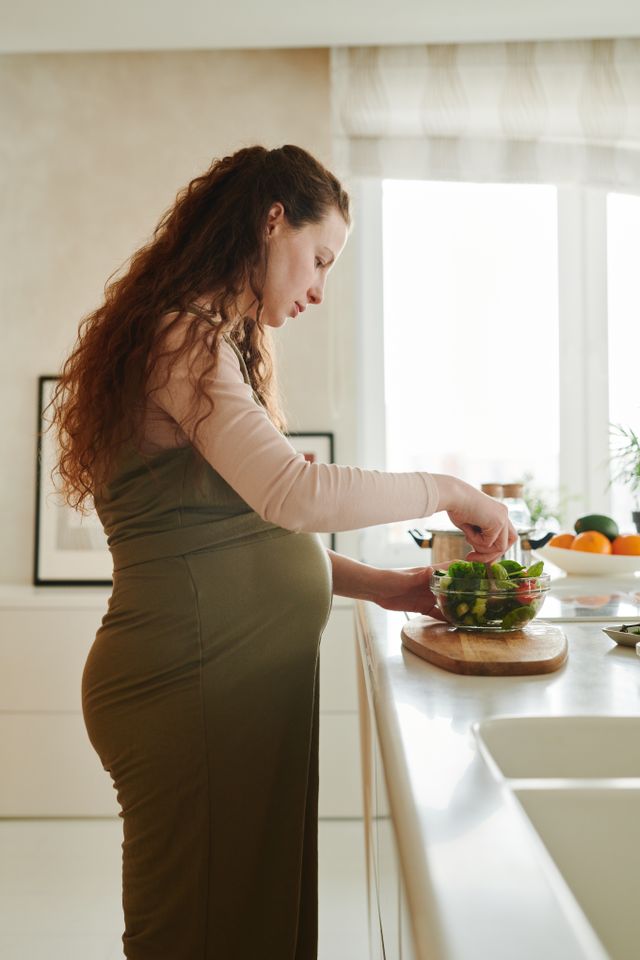
Pregnancy Snacking: Top Healthy Snacks For Pregnancy


Pregnancy brings a whirlwind of changes to your body, and few are as sudden—or as demanding—as the shift in your appetite. Whether you are fighting first-trimester nausea or fueling third-trimester growth spurts, finding the right healthy snacks when pregnant is essential.
Snacking during pregnancy isn't just about quieting a rumbling stomach; it’s a strategic way to keep your blood sugar stable, pack in vital nutrients, and prevent the dreaded energy crashes. Here is your ultimate guide to safe, delicious, and nutritious pregnancy snacking.
Why Snacking Matters During Pregnancy
During pregnancy, your metabolism kicks into high gear. As your baby grows, your caloric needs increase, but your stomach capacity often decreases due to your growing uterus pressing against your digestive organs. This makes eating three large meals a day uncomfortable for many women.
Eating smaller, more frequent meals helps combat heartburn, keeps morning sickness at bay, and ensures a steady stream of nutrients to your baby. The key is choosing snacks that offer a balance of complex carbohydrates, protein, and healthy fats.
The Best Healthy Snacks When Pregnant
When building your pregnancy snack stash, aim for options that serve a nutritional purpose. Here are some of the best choices categorized by their primary benefits:
1. Protein-Packed Powerhouses
Protein is the building block of your baby’s cells, particularly in the second and third trimesters. According to the American Pregnancy Association , pregnant women need about 70 to 100 grams of protein daily, depending on their weight and activity level.
- Greek Yogurt with Berries: Greek yogurt contains double the protein of regular yogurt. Top it with raspberries or blueberries for a dose of fiber and antioxidants.
- Hard-Boiled Eggs: Eggs are an incredible source of choline, a nutrient crucial for your baby’s brain development. Keep a batch peeled in the fridge for a quick grab-and-go snack.
- Edamame: Steaming a cup and sprinkling it with sea salt makes for a highly satisfying, finger-food snack.
Complex Carbs for Energy and Nausea
If you are in your first trimester, plain, bland carbohydrates can be a lifesaver for nausea. In later trimesters, complex carbs provide sustained energy.
- Oatmeal Cups: Make overnight oats or bake oatmeal cups with bananas, walnuts, and a dash of cinnamon. Oats are rich in iron, B vitamins, and fiber.
- Whole Wheat Toast with Avocado: Avocado is loaded with monounsaturated fats, which are great for fetal tissue development. Paired with whole-grain toast, it offers a filling, nausea-soothing snack.
- Sweet Potato Rounds: Roast sweet potato wedges with a drizzle of olive oil. They are packed with beta-carotene (which converts to Vitamin A) and potassium.
Fruits and Veggies for Hydration and Vitamins
Staying hydrated is critical during pregnancy to help form amniotic fluid and support increased blood volume. Water-rich produce is a tasty way to achieve this.
- Apple Slices with Almond Butter: The fiber in the apple combined with the protein and fat in the almond butter prevents rapid blood sugar spikes.
- Spinach and Mango Smoothie: Blend a handful of spinach (for iron and folate) with frozen mango (for Vitamin C, which helps your body absorb the iron) and milk or a safe dairy alternative. The CDC highlights that adequate folic acid intake is vital for preventing neural tube defects.
- Cucumber and Hummus: Hummus provides plant-based protein and fiber, while cucumber offers refreshing hydration.
Dairy and Alternatives for Bone Health
Your baby’s skeleton is rapidly developing, meaning your need for calcium and Vitamin D skyrockets.
- String Cheese: An easy, portion-controlled snack that provides calcium and protein.
- Cottage Cheese with Peaches: Cottage cheese is incredibly high in protein and calcium. Pair it with sliced peaches for a sweet and savory contrast.
Quick Tips for Smart Pregnancy Snacking
- Prep in Advance: When pregnancy fatigue hits, you won't want to chop vegetables. Wash, chop, and portion your snacks into clear containers at the beginning of the week.
- Pair Your Foods: Never eat a naked carb. If you crave an apple, add peanut butter. If you want crackers, add cheese. Pairing carbs with protein or fat keeps your blood sugar stable.
- Stay Hydrated: Sometimes thirst masks itself as hunger. Keep a water bottle with you at all times and sip between snacks.
Important: Snacks to Avoid During Pregnancy
While snacking is encouraged, you must be mindful of food safety. The FDA warns that pregnant women are 10 times more likely to get a Listeria infection. Avoid the following as snacks:
- Unpasteurized dairy (like certain soft cheeses)
- Deli meats or hot dogs (unless heated to steaming hot)
- Raw sprouts (alfalfa, clover, radish)
- Unpasteurized juices or cider
Frequently Asked Questions (FAQs)
How often should I snack during pregnancy?
Most healthcare providers recommend eating three small meals and two to three snacks throughout the day. Listen to your body; if you feel hungry or nauseous every two hours, it is perfectly fine to eat a small, healthy snack that often.
What helps with pregnancy nausea at night?
Keep dry, bland snacks on your nightstand. Saltine crackers, dry toast, or plain graham crackers eaten before you even get out of bed in the morning (or middle of the night) can help settle your stomach by absorbing excess stomach acid.
Can I eat sweet treats while pregnant?
Yes, moderation is key. It is perfectly safe to enjoy a piece of dark chocolate or a small cookie occasionally. However, try to avoid making high-sugar, empty-calorie foods your primary snacks, as they can lead to excessive weight gain and worsen gestational diabetes risks.
Are there healthy snacks that help with pregnancy constipation?
Absolutely. Constipation is incredibly common due to pregnancy hormones slowing down your digestion. Focus on high-fiber snacks like chia seed pudding, raspberries, pears, and prunes. Always pair these with plenty of water to help the fiber do its job.
