




10 Signs Your Gut Bacteria Are Out of Balance


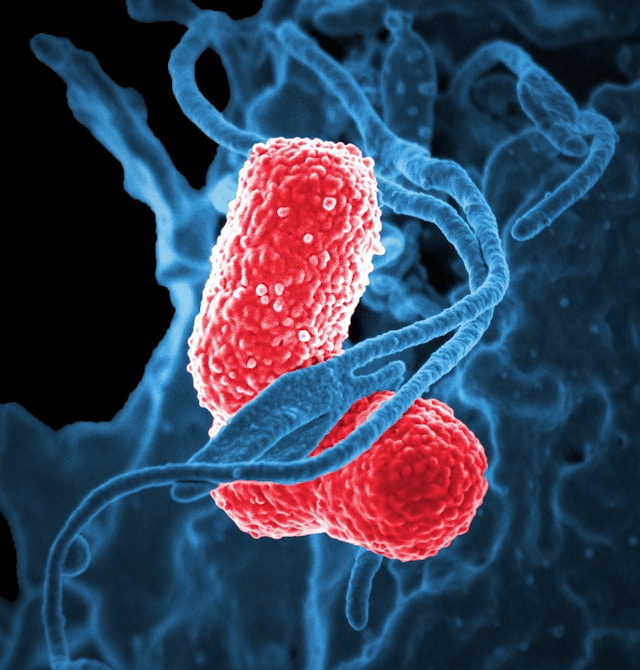
Your gut is home to trillions of tiny living things, mainly bacteria. Together, they are called your gut microbiome. When you have a healthy balance of good and bad bacteria, your digestive system works smoothly, your immune system stays strong, and you feel energetic.
However, poor diet, high stress, lack of sleep, or taking antibiotics can disrupt this delicate balance. When bad bacteria multiply faster than good bacteria, your body begins to send warning signals.
Here are 10 common signs that your gut bacteria are out of balance and what you can do about it.
10 Warning Signs of an Unhealthy Gut
1. Frequent Stomach Upset
If you regularly deal with gas, bloating, stomach pain, diarrhea, or constipation, your gut bacteria may be out of balance. A healthy gut processes food easily and eliminates waste without pain. When bad bacteria take over, they ferment food improperly, creating excess gas and causing irregular bowel movements.
2. Craving Too Much Sugar
Bad bacteria and yeast feed on sugar. When they multiply, they send signals to your brain that make you crave sweet foods and refined carbohydrates like bread and pasta. The more sugar you eat, the more bad bacteria grow, creating a cycle that is hard to break.
3. Constant Fatigue and Low Energy
Do you feel tired even after a full night of sleep? Most of your body’s serotonin, a hormone that regulates mood and sleep, is produced in the gut. An unhealthy gut makes it harder to produce serotonin, leading to poor sleep quality and chronic daily fatigue.
4. Unintended Weight Changes
Gaining or losing weight without changing your diet or exercise routine can point to a gut imbalance. An unhealthy gut struggles to absorb nutrients, store fat, and regulate blood sugar.
- Overgrowth of certain bad bacteria can lead to weight gain.
- Poor absorption of nutrients can lead to unintended weight loss.
5. Skin Problems
Your gut and skin are closely connected. When your gut lining gets irritated due to an imbalance of gut bacteria, it can cause body-wide inflammation. This inflammation often shows up on your skin as eczema, acne, rosacea, or dry, itchy patches.
6. Food Intolerances
Food allergies cause an immediate immune reaction, but food intolerances mean your digestive system struggles to break down certain foods (like dairy or gluten). This often happens when you lack the specific gut bacteria needed to digest those foods properly, leading to bloating, nausea, and stomach pain after eating.
7. Mood Swings, Anxiety, and Depression
Your gut and brain communicate constantly through a connection called the gut-brain axis. In fact, your gut is often called your “second brain.” When your gut bacteria are out of balance, it disrupts the chemical signals sent to your brain, which can trigger anxiety, moodiness, brain fog, and feelings of depression.
8. Autoimmune Issues
Your gut houses about 70% of your immune system. Good gut bacteria train your immune cells to tell the difference between harmful invaders and your own healthy cells. When gut bacteria are out of balance, your immune system can become confused and start attacking your body’s own tissues, raising the risk of autoimmune conditions.
9. Bad Breath (Halitosis)
If brushing your teeth and using mouthwash do not get rid of bad breath, the issue might start in your stomach. An imbalance of gut bacteria can release foul-smelling gases that travel up your digestive tract and out through your mouth.
10. Trouble Sleeping
An unhealthy gut can disturb your body’s natural clock. Because bad bacteria interfere with hormones like serotonin and melatonin, which control your sleep cycle, you might find it difficult to fall asleep, stay asleep, or reach deep, restful sleep.
What Causes Gut Bacteria to Become Unbalanced?
Several everyday factors can harm your good bacteria:
- Eating too much processed food and refined sugar.
- Taking antibiotics (which kill both bad and good bacteria).
- Chronic stress and poor sleep habits.
- Lack of fiber in your daily diet.
- Drinking too much alcohol or smoking.
How to Rebalance Your Gut Bacteria
The good news is that you can rebuild a healthy gut with simple daily habits:
- Eat high-fiber foods: Vegetables, fruits, beans, and whole grains feed your good bacteria.
- Include fermented foods: Yogurt, kefir, sauerkraut, and kimchi naturally contain live, healthy bacteria (probiotics).
- Reduce sugar intake: Limit sweet snacks, sodas, and ultra-processed foods to starve bad bacteria.
- Stay hydrated: Drinking plenty of water helps move waste through your intestines smoothly.
- Manage stress and sleep: Aim for 7–8 hours of sleep per night and take time to relax every day.
Listening to your body is key. If you notice several of these signs, making simple changes to your diet and lifestyle can help restore balance to your gut bacteria and improve your overall health.