




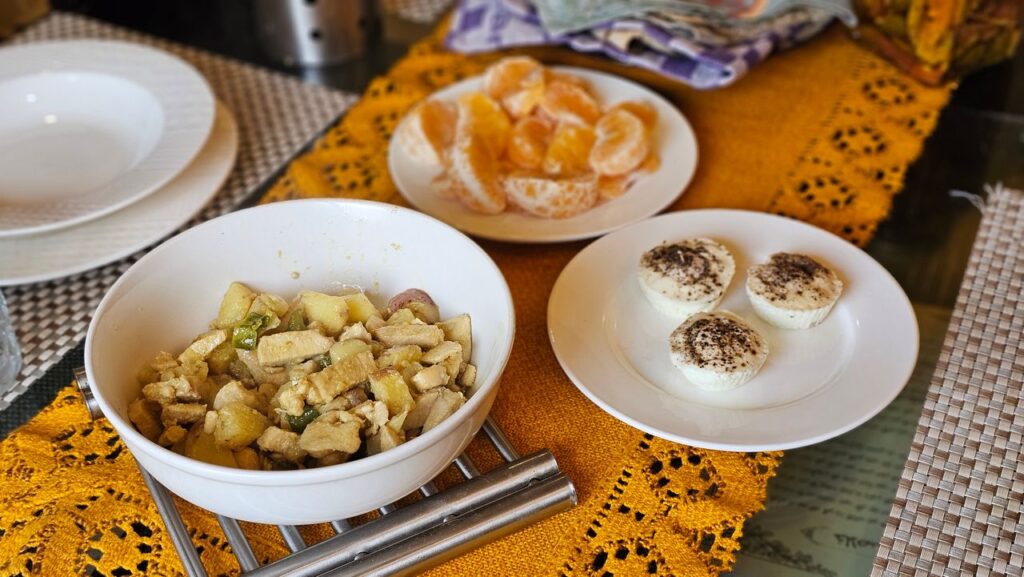
No Processed Food: A Complete Guide to Eating Whole Foods for Better Health


Choosing a no processed food lifestyle has become increasingly popular as more people look for simple ways to improve their health. Grocery store shelves are filled with packaged products that promise convenience, but many people are beginning to wonder whether eating more whole, natural foods could make a difference.
The good news is that you don't have to follow a perfect diet to benefit. A no processed food approach focuses on eating foods that are as close to their natural state as possible. Fresh fruits, vegetables, whole grains, lean proteins, nuts, seeds, and legumes become the foundation of your meals.
In this guide, you'll learn what a no processed food lifestyle means, its potential health benefits, which foods to eat, which foods to limit, and practical tips to make the transition easier.
What Does No Processed Food Mean?
A no processed food lifestyle means choosing foods that have undergone little or no industrial processing. Instead of relying on heavily packaged convenience foods, you eat ingredients that remain close to their original form.
Examples include:
- Fresh vegetables
- Fresh fruits
- Brown rice
- Oats
- Eggs
- Fish
- Chicken
- Beans
- Lentils
- Nuts
- Seeds
- Plain yogurt
- Milk
These foods provide vitamins, minerals, fiber, and protein without long ingredient lists or unnecessary additives.
What Is Considered Processed Food?
Not all processed foods are unhealthy. In fact, some foods are processed simply to improve safety or extend freshness.
For example:
- Frozen vegetables
- Plain frozen fruit
- Plain rolled oats
- Pasteurized milk
- Plain canned beans (with no added sugar)
- Plain Greek yogurt
These foods undergo minimal processing and can still fit into a healthy eating plan.
Highly processed foods, however, often contain multiple added ingredients such as sweeteners, flavor enhancers, preservatives, or artificial colors.
Examples include:
- Sugary breakfast cereals
- Candy
- Soda
- Chips
- Packaged cookies
- Instant noodles
- Frozen ready-made meals
- Processed meats like hot dogs and salami
A no processed food lifestyle focuses on reducing these highly processed products.
Benefits of Following a No Processed Food Lifestyle
Many people notice positive changes after switching to a no processed food eating pattern.
Better Nutrition
Whole foods naturally contain nutrients that support overall health, including:
- Vitamins
- Minerals
- Antioxidants
- Healthy fats
- Fiber
Because these foods are less refined, they often provide more nutritional value per serving.
Improved Digestion
Whole foods are naturally rich in dietary fiber.
Fiber helps:
- Support healthy digestion
- Promote regular bowel movements
- Feed beneficial gut bacteria
- Increase feelings of fullness
More Stable Energy
Meals built around whole foods tend to digest more slowly than many packaged snack foods.
This can help you feel satisfied for longer and may reduce sudden energy crashes throughout the day.
Better Weight Management
A no processed food eating plan naturally emphasizes filling foods such as vegetables, fruits, beans, whole grains, and lean proteins.
These foods can help control hunger while providing fewer calories than many heavily processed snacks.
Heart Health Support
Eating more whole foods often means consuming more fiber, potassium, and healthy fats while reducing excess sodium and added sugars.
These dietary changes support overall cardiovascular health.
Foods to Eat on a No Processed Food Diet
Building meals becomes easier when you focus on simple ingredients.
Vegetables
Choose a variety of colors, including:
- Spinach
- Broccoli
- Carrots
- Bell peppers
- Cucumbers
- Tomatoes
- Cauliflower
- Zucchini
Fruits
Fresh fruits make excellent snacks and desserts.
Good choices include:
- Apples
- Berries
- Bananas
- Oranges
- Grapes
- Pears
- Peaches
- Kiwi
Whole Grains
Whole grains provide lasting energy and fiber.
Examples include:
- Brown rice
- Quinoa
- Oats
- Barley
- Whole wheat berries
Protein Sources
Choose lean, minimally processed proteins such as:
- Chicken breast
- Turkey
- Fish
- Eggs
- Tofu
- Lentils
- Chickpeas
- Black beans
Healthy Fats
Healthy fats play an important role in overall nutrition.
Include:
- Avocados
- Olive oil
- Almonds
- Walnuts
- Pistachios
- Chia seeds
- Flaxseeds
Foods to Limit
If you're following a no processed food lifestyle, try limiting foods with long ingredient lists or multiple additives.
Examples include:
- Soft drinks
- Sweetened coffee beverages
- Candy
- Packaged pastries
- Sugary cereals
- Flavored chips
- Frozen pizza
- Fast food
- Sweetened yogurt
- Packaged desserts
Reading ingredient labels can help you make informed choices.
Sample One-Day No Processed Food Meal Plan
Breakfast
- Plain oatmeal topped with blueberries, sliced banana, and walnuts
- Glass of milk
Morning Snack
- Apple with natural peanut butter
Lunch
- Grilled chicken breast
- Brown rice
- Mixed green salad with olive oil and lemon dressing
Afternoon Snack
- Plain Greek yogurt with strawberries
Dinner
- Baked salmon
- Roasted broccoli
- Sweet potato
Evening Snack
- A handful of almonds or fresh fruit
This meal plan provides balanced nutrition while following a no processed food approach.
Tips for Starting a No Processed Food Lifestyle
Changing your eating habits doesn't have to happen overnight.
Shop Around the Grocery Store
Fresh produce, dairy, meat, and seafood are often located around the outer sections of most grocery stores.
Cook More at Home
Preparing meals yourself allows you to control ingredients and portion sizes.
Read Ingredient Labels
Choose products with simple ingredient lists whenever possible.
Plan Meals Ahead
Meal planning helps reduce the temptation to rely on convenience foods during busy days.
Keep Healthy Snacks Available
Stock your kitchen with:
- Fresh fruit
- Mixed nuts
- Hard-boiled eggs
- Plain yogurt
- Vegetable sticks
- Hummus
Healthy snacks make it easier to stick with your goals.
Is It Possible to Avoid All Processed Foods?
For most people, completely eliminating every processed food isn't realistic.
Foods such as frozen vegetables, canned beans, plain yogurt, and pasteurized milk all undergo some level of processing while still offering excellent nutritional value.
Instead of aiming for perfection, focus on making whole foods the majority of your diet. Small, consistent improvements often have a greater long-term impact than strict rules that are difficult to maintain.
Common Mistakes to Avoid
When starting a no processed food lifestyle, many people make avoidable mistakes.
These include:
- Trying to change everything at once
- Not eating enough protein
- Forgetting healthy fats
- Skipping meal planning
- Assuming every packaged food is unhealthy
- Not reading nutrition labels
- Buying more fresh produce than can be used before it spoils
Making gradual changes is often the most sustainable approach.
Conclusion
A no processed food lifestyle doesn't require perfection or expensive specialty products. By choosing more whole foods such as fruits, vegetables, whole grains, lean proteins, legumes, nuts, and seeds, you can create balanced meals that support your overall health. While some minimally processed foods can still be nutritious, reducing heavily processed products may help improve diet quality, increase nutrient intake, and encourage healthier eating habits. Start with small changes, build consistent habits, and remember that every whole-food choice is a positive step toward better health.
Frequently Asked Questions
What does no processed food mean?
It means eating foods that are as close to their natural state as possible while limiting heavily processed packaged products.
Can I eat frozen vegetables on a no processed food diet?
Yes. Plain frozen vegetables without added sauces or seasonings are considered minimally processed and are a healthy option.
Is bread allowed on a no processed food lifestyle?
Some homemade or minimally processed whole-grain breads may fit, but many commercial breads contain numerous additives.
Can I drink coffee?
Yes. Plain black coffee is minimally processed. Be mindful of added sugars, syrups, and creamers.
Are canned beans considered processed?
Plain canned beans with no added sugar and low sodium are minimally processed and can be part of a healthy diet.
Will a no processed food diet help with weight loss?
Many people find it easier to manage their weight because whole foods are often more filling and nutrient-dense, though weight loss depends on overall calorie balance and lifestyle.
Is cheese considered processed?
Cheese is technically processed, but many traditional cheeses contain only a few ingredients and can fit into a balanced diet when eaten in moderation.
Do I have to avoid every processed food?
No. The goal is to emphasize whole and minimally processed foods while limiting highly processed products rather than eliminating every processed item completely.
