






Women’s health represents one of the most critical yet frequently overlooked aspects of global public health. When women maintain optimal health, entire families and communities benefit from improved outcomes. Moreover, supporting women’s wellbeing extends beyond individual benefits because it strengthens economic productivity, educational achievement, and social stability across entire populations.
Understanding Women’s Health: More Than Reproductive Care
Women’s health encompasses far more than reproductive and maternal care, although these remain essential components. Instead, a truly comprehensive approach addresses the full spectrum of physical and mental wellness across every stage of life, from adolescence through older adulthood.
Key Health Domains
Specialized care is essential for cardiovascular health, as heart disease remains one of the leading causes of death among women. Likewise, mental health and emotional well-being deserve equal attention because depression and anxiety affect women at significantly higher rates than men.
In addition, chronic conditions such as diabetes, arthritis, and metabolic disorders require gender-specific prevention and treatment strategies. Reproductive healthcare includes contraception, fertility services, maternal care, and access to safe abortion services where legal. Beyond reproductive health, women also face unique challenges during menstruation, perimenopause, and postmenopausal years.
Therefore, understanding these interconnected health needs requires moving beyond traditional gender-neutral medical models that have historically overlooked women’s distinct physiology and lived experiences.
The Gender Factor: Why Women’s Health Differs Fundamentally
Although biological differences between men and women are important, gender-related factors create equally significant health disparities. Gender encompasses the social expectations, cultural norms, and power dynamics that shape how societies value and treat women.
Social and Economic Determinants
Across the world, many women shoulder a disproportionate share of unpaid household responsibilities. Caring for children, supporting elderly relatives, and managing households consume enormous amounts of time and energy. Consequently, these responsibilities contribute to chronic stress, sleep deprivation, and fewer opportunities for self-care.
Furthermore, employment discrimination pushes many women into insecure jobs with limited protections. Women in many developing countries frequently work in informal sectors without fair wages, occupational safety measures, or employment benefits. Factory workers, agricultural laborers, and domestic workers often face hazardous conditions while having little or no access to occupational health services.
Another major concern is gender-based violence. According to global research, approximately one in three women experiences physical or sexual violence during her lifetime. As a result, survivors frequently experience not only immediate injuries but also long-term consequences such as depression, anxiety, post-traumatic stress disorder, and chronic pain.
Power Imbalances and Healthcare Access
In many societies, women have limited authority to make decisions about their own healthcare. Male family members may determine whether they can seek medical treatment, use contraception, or receive specialized care. Additionally, limited financial independence often restricts women’s ability to afford healthcare. Educational inequalities can further reduce health literacy, making it more difficult to recognize symptoms or advocate effectively during medical consultations.
The Clinical Challenge: Diagnostic and Treatment Disparities
Historically, medical science has centered on male bodies and male health experiences. Much of pharmaceutical research has relied primarily on male participants, leaving important gaps in understanding how diseases and medications affect women. Consequently, this imbalance has created significant challenges in women’s healthcare.
Gender Bias in Clinical Practice
Heart attacks frequently present differently in women than in men. However, medical training has traditionally emphasized chest pain, which is the classic male symptom. Many women instead experience fatigue, shortness of breath, nausea, or jaw pain. Because of these differences, diagnosis and treatment are often delayed, contributing to higher mortality rates.
Mental health presents another example of gender bias. Women develop depression at approximately twice the rate of men, yet these conditions frequently remain undiagnosed or undertreated. In some cases, healthcare professionals mistakenly attribute legitimate psychiatric symptoms to emotional weakness or hormonal fluctuations rather than recognizing treatable medical conditions.
Furthermore, women of color, immigrant women, older women, and women with disabilities frequently experience multiple layers of discrimination. Consequently, these intersecting disadvantages often result in lower-quality healthcare and poorer health outcomes.
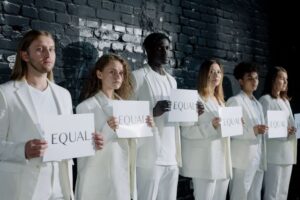
Comprehensive Approaches to Supporting Women’s Health
Healthcare System Changes
Healthcare professionals require training in gender-sensitive medicine that recognizes how diseases present differently in women. Additionally, medical education should incorporate current research on sex differences in disease development, medication metabolism, and treatment effectiveness. Healthcare systems should also provide access to female healthcare providers when preferred and implement trauma-informed models of care.
Access and Equity Initiatives
Universal health coverage should prioritize women’s healthcare services. For example, affordable contraception and family planning services should remain widely accessible. Maternal healthcare, including prenatal care, skilled birth attendance, and postpartum support, continues to save countless lives. Equally important, mental health services should be fully integrated into primary healthcare systems.
Economic and Social Support
Policies that enable women to participate fully in the workforce directly improve health outcomes. Paid parental leave, affordable childcare, and flexible work arrangements reduce stress while supporting economic independence. Moreover, financial security allows women to make autonomous healthcare decisions. Investments in girls’ and women’s education also improve health literacy and create better long-term life outcomes.
Violence Prevention and Survivor Support
Addressing gender-based violence requires coordinated efforts involving healthcare providers, law enforcement, community organizations, and social services. In addition, healthcare professionals play a critical role in identifying survivors, delivering compassionate care, documenting injuries, and connecting women with appropriate support resources.

Building Healthier Societies Through Investment in Women’s Health
Investing in women’s health is ultimately an investment in human potential. Healthy women contribute meaningfully to their families, workplaces, and communities. As a result, societies that prioritize women’s wellbeing experience stronger economies, healthier populations, and greater social stability.
Advancing women’s health requires sustained commitment from healthcare providers, policymakers, researchers, and communities alike. Furthermore, it demands recognition of historical inequities in medical research and clinical practice. At the same time, governments and institutions must address the social determinants that continue to shape health outcomes. Ultimately, women’s health should not be viewed as a specialized issue but rather as a fundamental pillar of equitable and thriving societies.
Every woman deserves respectful, evidence-based healthcare delivered by professionals who understand her unique needs. Likewise, every woman should have the autonomy to make informed decisions about her own body. Finally, affordable, high-quality healthcare should be available throughout every stage of life. These are not luxuries or special privileges; they are fundamental human rights that support health, dignity, equality, and the opportunity to thrive.