




Iron Deficiency Without Anemia: Symptoms, Causes, Diagnosis, and Treatment


Iron is an essential mineral that helps your body produce hemoglobin, transport oxygen, and maintain healthy energy levels. Many people assume that iron deficiency always leads to anemia, but that's not always the case. Iron deficiency without anemia occurs when your body's iron stores are low, but your hemoglobin levels remain within the normal range.
Although anemia has not yet developed, this condition can still cause symptoms that affect your daily life. Recognizing iron deficiency without anemia early can help prevent the condition from progressing and improve your overall well-being.
What Is Iron Deficiency Without Anemia?
Iron deficiency without anemia means your body has insufficient iron stores, but there is still enough hemoglobin to meet the criteria for a normal blood count.
Iron is stored primarily as ferritin. When these stores begin to decline, symptoms may develop even before anemia appears.
Early diagnosis allows treatment before more serious complications occur.
Why Iron Is Important
Iron plays several essential roles in the body.
It helps:
- Produce hemoglobin
- Transport oxygen
- Support brain function
- Maintain healthy muscles
- Strengthen the immune system
- Support energy production
When iron stores become depleted, the body may struggle to perform these functions efficiently.
Common Symptoms of Iron Deficiency Without Anemia
Many people experience symptoms despite having normal hemoglobin levels.
Persistent Fatigue
One of the most common symptoms of iron deficiency without anemia is ongoing tiredness.
People often report:
- Low energy
- Feeling exhausted after minor activities
- Reduced stamina
Difficulty Concentrating
Low iron stores may affect brain function.
Symptoms include:
- Brain fog
- Poor concentration
- Reduced productivity
- Memory difficulties
Reduced Exercise Performance
Iron supports oxygen delivery to muscles.
People may notice:
- Shortness of breath during activity
- Reduced endurance
- Slower recovery after exercise
These are common signs of iron deficiency without anemia.
Frequent Headaches
Some individuals experience recurring headaches that improve after iron levels are corrected.
Other Symptoms
Additional symptoms may include:
- Dizziness
- Weakness
- Cold hands and feet
- Pale skin
- Hair thinning
- Brittle nails
- Restless legs syndrome
Symptoms vary depending on how low iron stores become.
What Causes Iron Deficiency Without Anemia?
Several factors can reduce the body's iron stores.
Inadequate Iron Intake
A diet low in iron-rich foods may contribute to deficiency.
Heavy Menstrual Periods
Significant monthly blood loss is one of the most common causes in women.
Pregnancy
Iron needs increase during pregnancy to support both mother and baby.
Digestive Disorders
Conditions affecting nutrient absorption include:
- Celiac disease
- Crohn's disease
- Inflammatory bowel disease
Blood Loss
Other possible sources include:
- Stomach ulcers
- Colon polyps
- Gastrointestinal bleeding
Healthcare providers may investigate ongoing blood loss if the cause is unclear.
Who Is at Higher Risk?
Some people are more likely to develop iron deficiency without anemia.
Higher-risk groups include:
- Women of childbearing age
- Pregnant women
- Vegetarians and vegans
- Endurance athletes
- Frequent blood donors
- Individuals with digestive disorders
Knowing your risk factors can help guide screening and prevention.
How Iron Deficiency Without Anemia Is Diagnosed
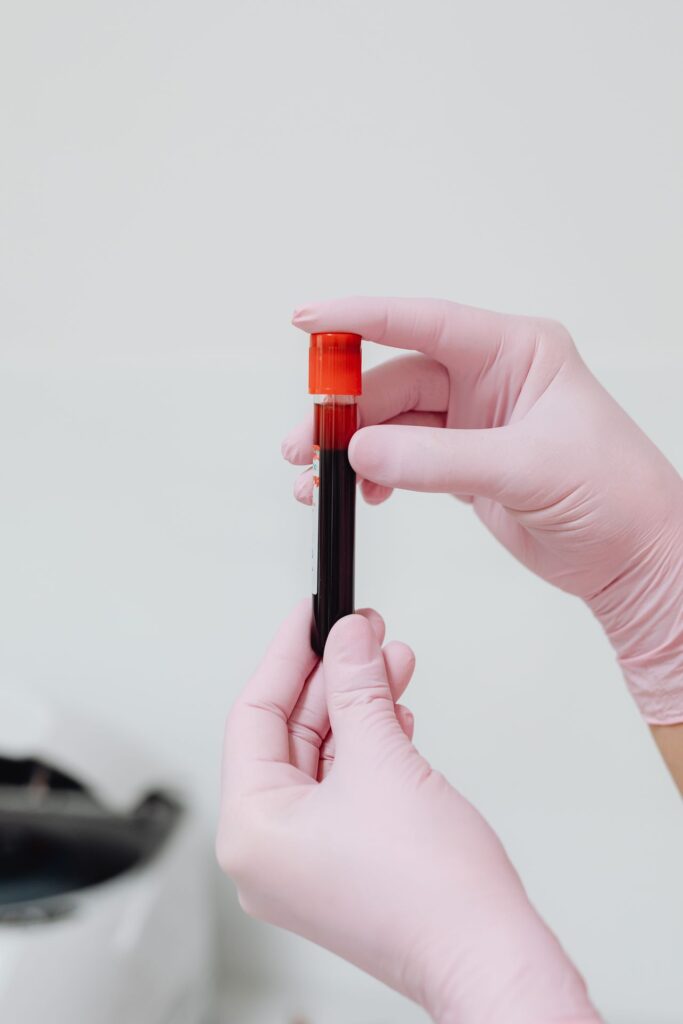
Because hemoglobin levels remain normal, diagnosis requires additional laboratory testing.
Ferritin Test
Ferritin measures the body's stored iron and is often the most useful initial test.
Iron Studies
Your healthcare provider may also order:
- Serum iron
- Transferrin saturation
- Total iron-binding capacity (TIBC)
Complete Blood Count (CBC)
A CBC helps determine whether anemia has developed.
These tests help confirm iron deficiency without anemia before hemoglobin levels begin to fall.
Foods Rich in Iron
Increasing dietary iron may help restore healthy iron stores.
Animal Sources (Heme Iron)
Heme iron is more easily absorbed by the body.
Examples include:
- Lean beef
- Chicken
- Turkey
- Liver
- Tuna
- Salmon
Plant Sources (Non-Heme Iron)
Good plant-based sources include:
- Lentils
- Beans
- Chickpeas
- Spinach
- Pumpkin seeds
- Tofu
- Fortified breakfast cereals
Eating a variety of these foods supports healthy iron intake.
Improve Iron Absorption
Certain nutrients help the body absorb iron more effectively.
Eat Vitamin C-Rich Foods
Vitamin C increases iron absorption.
Good choices include:
- Oranges
- Strawberries
- Kiwi
- Bell peppers
- Broccoli
Limit Tea and Coffee With Meals
Tea and coffee contain compounds that may reduce iron absorption when consumed with iron-rich meals.
Treatment Options
Treatment depends on the underlying cause and the severity of the deficiency.
Dietary Changes
Increasing iron-rich foods may help improve iron stores.
Iron Supplements
Healthcare providers may recommend oral iron supplements.
Supplements should only be taken under medical guidance, as excessive iron can be harmful.
Treat Underlying Causes
If blood loss or an absorption disorder is responsible, treating the underlying condition is essential.
Can Iron Deficiency Without Anemia Become Anemia?
Yes. Without treatment, iron deficiency without anemia may eventually progress to iron-deficiency anemia as iron stores continue to decline.
Early diagnosis and treatment can often prevent this progression.
When to See a Doctor
You should seek medical advice if you experience:
- Persistent fatigue
- Hair loss
- Dizziness
- Restless legs
- Difficulty concentrating
- Heavy menstrual bleeding
- Symptoms lasting several weeks
A healthcare provider can determine whether low iron stores are contributing to your symptoms.
Conclusion
Iron deficiency without anemia is an early stage of iron depletion in which iron stores are low but hemoglobin remains normal. Even without anemia, symptoms such as fatigue, brain fog, weakness, dizziness, and poor exercise performance can affect daily life. Early diagnosis through ferritin and iron studies, along with dietary improvements and appropriate treatment, can restore iron levels and help prevent iron-deficiency anemia.
Frequently Asked Questions (FAQs)
1. What is iron deficiency without anemia?
It is a condition where iron stores are low, but hemoglobin levels remain within the normal range.
2. Can you have iron deficiency without anemia?
Yes. Many people experience symptoms before anemia develops.
3. What are the symptoms of iron deficiency?
Common symptoms include fatigue, brain fog, dizziness, weakness, hair loss, and poor concentration.
4. How is iron deficiency without anemia diagnosed?
Doctors typically use ferritin, iron studies, and a complete blood count (CBC).
5. Can low ferritin cause symptoms even if hemoglobin is normal?
Yes. Low ferritin may cause symptoms before anemia develops.
6. Which foods are high in iron?
Lean meats, fish, beans, lentils, spinach, tofu, and fortified cereals are excellent sources.
7. Should I take iron supplements if I don't have anemia?
Only under the guidance of a healthcare provider after appropriate testing.
8. When should I see a doctor?
If you have persistent fatigue, dizziness, hair loss, or other symptoms suggestive of low iron.
