




How the Zika Virus Spreads and How to Stay Safe


Hearing about global health updates can sometimes leave you with more questions than answers. One topic that frequently resurfaces in conversations about travel safety is the Zika virus.
While the initial global panic has subsided, this virus remains an important public health issue. Knowing how it spreads helps you protect yourself and your family effectively. This guide breaks down exactly how the virus behaves and what you should look out for.
How the Zika Virus Spreads
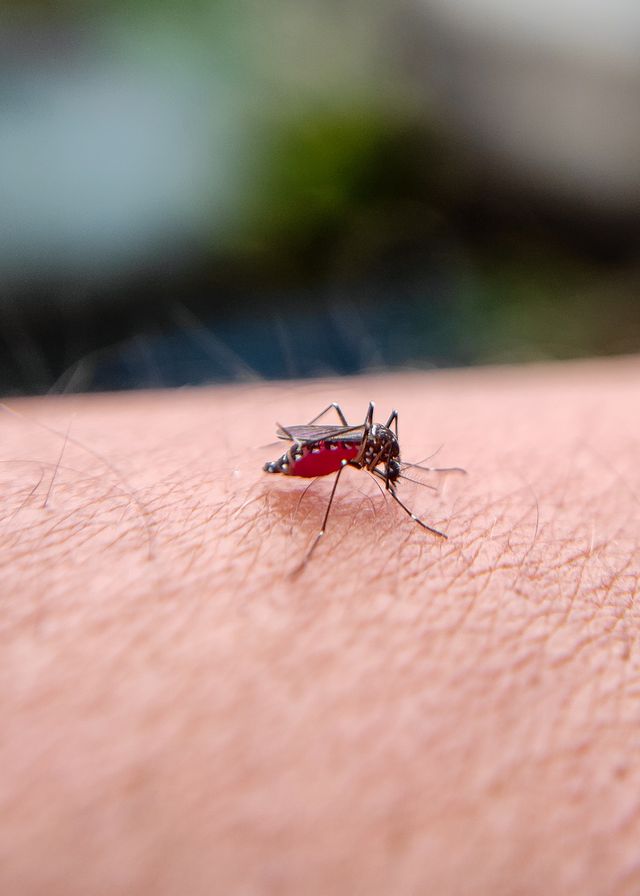
The primary cause of transmission is the bite of an infected mosquito from the Aedes genus. Specifically, the Aedes aegypti mosquito drives most cases in tropical and subtropical regions.
Unlike other species, these insects usually bite during the day. Their peak activity occurs in the early morning and late afternoon or evening. Furthermore, these same mosquitoes also transmit dengue, chikungunya, and yellow fever.
Beyond bug bites, the virus can spread from a pregnant mother to her fetus. It can also be transmitted through sexual contact, laboratory exposure, and blood transfusions.
Global History and Current Tracking
The World Health Organization declared a public health emergency of international concern regarding Zika back in 2016. This major emergency focused on microcephaly, a severe congenital disability involving smaller head sizes in newborns.
Fortunately, global cases declined sharply starting in 2017. However, low-level transmission persists across several countries in the Americas today. To date, 92 countries and territories have reported evidence of mosquito-borne Zika transmission. Because global tracking remains somewhat limited, practicing basic prevention while traveling is highly recommended.
Simple Daily Habits to Protect Your Health
Defending your body against mosquito-borne illnesses relies heavily on smart preventative choices. For instance, using an approved insect repellent keeps hungry bugs away during peak daytime hours.
Additionally, maintaining excellent daily hydration supports your body’s immune system as you travel. When you run dry, your physical energy levels drop significantly. In fact, learning how severe dehydration can cause high blood pressure underscores why consistent water intake is so vital. Drink plenty of fresh water to keep your body resilient and energized.
Managing Travel and Health Anxiety
Planning a trip to an endemic region can occasionally trigger a lot of mental stress. It is completely normal to feel anxious about potential health risks while away from home.
Indeed, high stress levels can weaken your immune response and cause physical fatigue. Taking time for quiet reflection, deep breathing exercises, or speaking with a trusted loved one can help you process this anxiety.
If you ever experience a sudden fever, joint pain, or a rash after traveling, visit an urgent care clinic. Doctors can quickly evaluate your symptoms to ensure you receive proper guidance and care.
Treatment Options and Vaccine Development
Currently, there is no vaccine available to prevent or treat a Zika virus infection. Because of this limitation, medical care focuses strictly on relieving symptoms.
Doctors generally recommend getting plenty of bed rest and drinking fluids to prevent dehydration. Meanwhile, the development of a preventative vaccine remains an active, well-funded area of global medical research. Scientists are working diligently to build an effective immunization to protect future generations.
Bottom Line
The Zika virus remains a significant public health concern, particularly for travelers visiting tropical destinations. By understanding its daytime transmission patterns and taking consistent steps to prevent mosquito bites, you can travel safely. Protect your hydration, stay informed about your destination, and consult your physician to navigate your health decisions with complete confidence.
Frequently Asked Questions
What are the most common symptoms of a Zika virus infection? Many people infected with Zika do not show any symptoms at all. However, those who do get sick typically experience a mild fever, skin rash, conjunctivitis (red eyes), muscle aches, and joint pain.
Why is Zika uniquely dangerous for pregnant individuals? The virus can pass from the mother to the developing fetus during pregnancy. This transmission can cause microcephaly and other severe brain abnormalities, making strict mosquito prevention crucial for expecting parents.
How long does the Zika virus stay in the human body? The virus usually stays in the bloodstream for about a week. However, it can persist in other bodily fluids, like semen, for a significantly longer period, which is why barrier protection is recommended after travel.