




Foods That Reduce Inflammation: What to Eat for Better Health


Inflammation is a natural response that helps the body fight infections and heal injuries. However, when inflammation becomes chronic, it may contribute to various health problems, including heart disease, diabetes, arthritis, and autoimmune conditions. Fortunately, diet can play an important role in managing inflammation. Understanding which foods that reduce inflammation can help support overall health and well-being.
Making smart food choices may help lower inflammation levels naturally while providing essential nutrients that support long-term wellness.
What Is Inflammation?
Inflammation is the body's defense mechanism against harmful substances, injuries, and infections. Acute inflammation is beneficial because it helps the body heal.
However, chronic inflammation can persist for months or years and may contribute to various health concerns.
Factors that may increase inflammation include:
- Poor diet
- Chronic stress
- Lack of exercise
- Smoking
- Obesity
- Poor sleep quality
This is why many healthcare professionals recommend including foods that reduce inflammation as part of a healthy lifestyle.
Why Diet Matters for Inflammation
Certain foods contain nutrients and compounds that help the body regulate inflammatory responses.
Benefits of eating foods that reduce inflammation may include:
- Better heart health
- Improved joint function
- Enhanced immune support
- Better digestive health
- Reduced risk of chronic disease
A balanced diet can be one of the most effective ways to support overall health naturally.
Best Foods That Reduce Inflammation
Fatty Fish
Fatty fish are among the most well-known foods that reduce inflammation because they contain omega-3 fatty acids.
Healthy options include:
- Salmon
- Sardines
- Mackerel
- Tuna
Omega-3 fats may help lower inflammatory markers and support heart health.
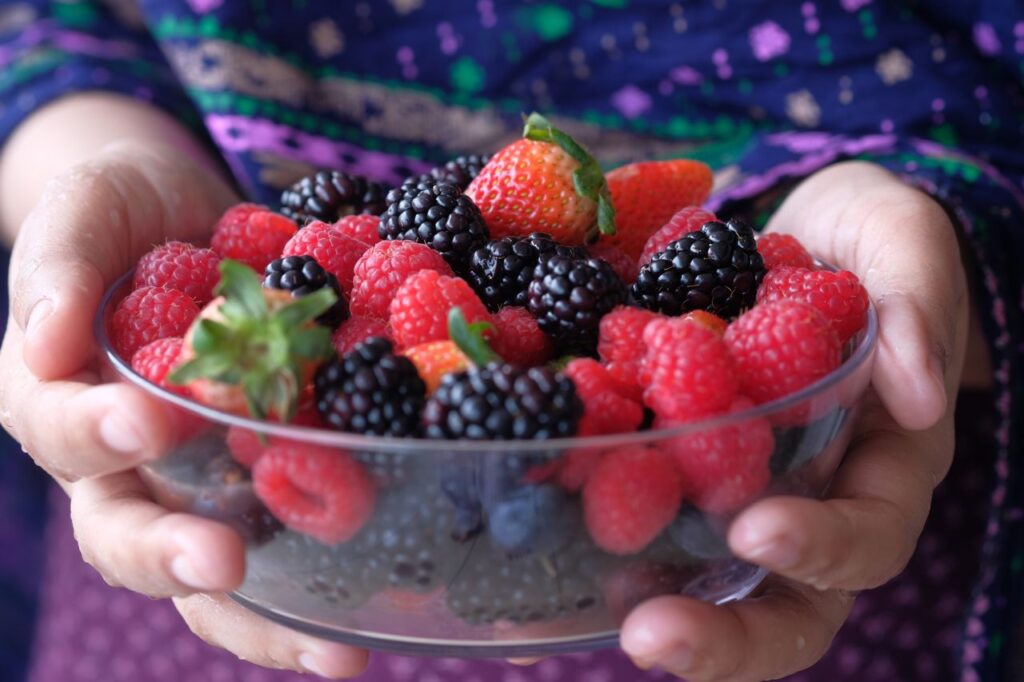
Berries
Berries are rich in antioxidants and plant compounds that help protect cells from damage.
Popular choices include:
- Blueberries
- Strawberries
- Raspberries
- Blackberries
These fruits provide nutrients that may help combat chronic inflammation.
Leafy Green Vegetables
Leafy greens contain vitamins, minerals, and antioxidants that support overall health.
Examples include:
- Spinach
- Kale
- Swiss chard
- Collard greens
These vegetables are excellent foods that reduce inflammation while supporting immune function.
Olive Oil
Extra virgin olive oil contains healthy monounsaturated fats and antioxidants.
Research suggests it may help reduce inflammation and support cardiovascular health.
Use olive oil for:
- Salad dressings
- Cooking
- Roasted vegetables
Nuts and Seeds
Nuts and seeds provide healthy fats, fiber, and antioxidants.
Best Choices
- Walnuts
- Almonds
- Chia seeds
- Flaxseeds
These are highly nutritious foods that reduce inflammation and support heart health.
Avocados
Avocados contain healthy fats, potassium, fiber, and antioxidants.
Potential benefits include:
- Reduced inflammation
- Improved heart health
- Better nutrient absorption
Adding avocado to meals is an easy way to increase anti-inflammatory nutrients.
Tomatoes
Tomatoes are rich in lycopene, a powerful antioxidant.
Cooked tomatoes may provide even greater lycopene availability than raw tomatoes.
This makes tomatoes valuable foods that reduce inflammation for many people.
Green Tea
Green tea contains compounds called catechins that may help reduce inflammation and oxidative stress.
Regular consumption may support:
- Heart health
- Brain health
- Healthy aging
Whole Grains
Whole grains contain fiber and beneficial plant compounds.
Examples include:
- Oats
- Brown rice
- Quinoa
- Whole wheat
Replacing refined grains with whole grains may help reduce inflammatory processes.
Turmeric
Turmeric contains curcumin, a natural compound known for its anti-inflammatory properties.
Many people use turmeric in:
- Soups
- Curries
- Smoothies
- Teas
Turmeric is often included among the most effective foods that reduce inflammation.
Garlic and Onions
Garlic and onions contain sulfur compounds and antioxidants that may help support the body's natural inflammatory response.
These ingredients can easily be added to everyday meals.
Dark Chocolate
High-quality dark chocolate contains antioxidants called flavonoids.
In moderation, dark chocolate may help support heart health and reduce inflammation.
Choose varieties containing at least 70% cocoa.
Foods That May Increase Inflammation
While focusing on foods that reduce inflammation, it is also important to limit foods that may contribute to chronic inflammation.
Examples include:
- Sugary beverages
- Highly processed foods
- Refined carbohydrates
- Excessive alcohol
- Processed meats
- Trans fats
Reducing these foods may help improve overall health.
Lifestyle Habits That Support Lower Inflammation
Diet works best when combined with other healthy habits.
Exercise Regularly
Physical activity may help lower inflammatory markers.
Get Enough Sleep
Poor sleep has been linked to increased inflammation.
Manage Stress
Chronic stress may contribute to ongoing inflammation throughout the body.
Helpful strategies include:
- Meditation
- Deep breathing
- Yoga
- Mindfulness
When to See a Doctor
You should speak with a healthcare provider if you experience:
- Persistent fatigue
- Chronic pain
- Ongoing digestive issues
- Unexplained inflammation-related symptoms
Medical evaluation can help identify underlying causes and guide treatment.
Building an Anti-Inflammatory Diet
Creating a diet centered around foods that reduce inflammation does not require drastic changes.
Start by:
- Adding more fruits and vegetables
- Choosing healthy fats
- Eating more fish
- Replacing processed foods with whole foods
- Drinking more water
Small changes can have a meaningful impact over time.
Conclusion
Including more foods that reduce inflammation in your diet may help support heart health, joint function, digestion, and overall wellness. Fatty fish, berries, leafy greens, olive oil, nuts, seeds, and whole grains provide valuable nutrients that may help lower inflammation naturally. Combined with regular exercise, quality sleep, and stress management, an anti-inflammatory lifestyle can support long-term health and well-being.
Frequently Asked Questions (FAQs)
1. What foods reduce inflammation the most?
Fatty fish, berries, leafy greens, olive oil, nuts, and turmeric are among the most effective options.
2. Can diet really reduce inflammation?
Yes, a nutrient-rich diet may help lower inflammatory markers and support overall health.
3. Are fruits anti-inflammatory?
Many fruits, especially berries, contain antioxidants that may help reduce inflammation.
4. Is coffee inflammatory?
Moderate coffee consumption may have anti-inflammatory effects for some individuals.
5. Does sugar increase inflammation?
Excess sugar consumption may contribute to chronic inflammation.
6. Is turmeric good for inflammation?
Yes, turmeric contains curcumin, a compound known for its anti-inflammatory properties.
7. How long does it take for an anti-inflammatory diet to work?
Results vary, but some people notice improvements within a few weeks of consistent healthy eating.
8. Can inflammation cause fatigue?
Yes, chronic inflammation may contribute to low energy levels and fatigue.
