




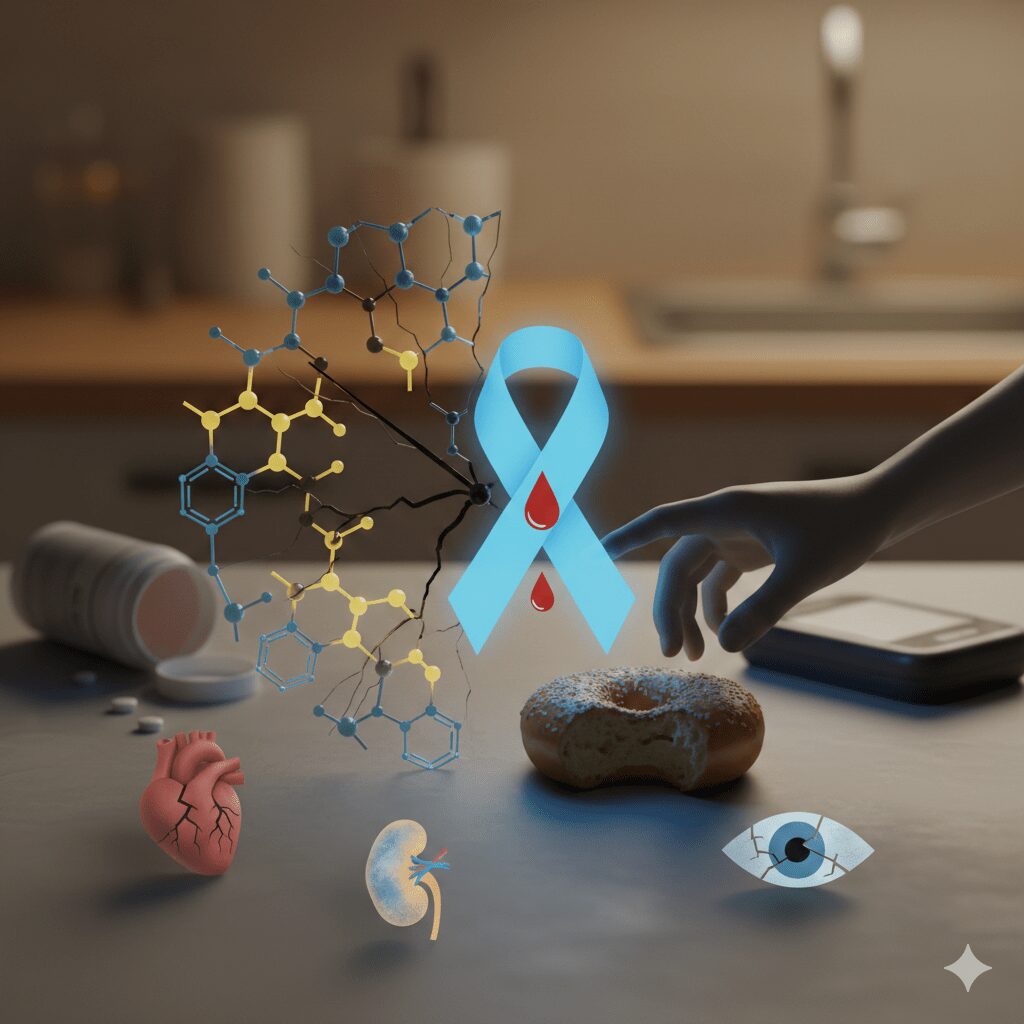
Type 2 Diabetes


Could your everyday habits be putting you at risk of a lifelong condition? One such lifelong condition is type 2 diabetes.
According to data from the U.S Centers for Disease Control and Prevention (CDC), about 90% to 95% of Americans have type 2 diabetes. [1] This accounts for about 1 in 10 Americans having the condition.
A worrying trend in the 21st century is that more and more groups, including children, teens, and young adults, are developing the condition than in the past. This is primarily attributed to lifestyle and environmental factors.
What Type 2 Diabetes Is
Diabetes is a chronic condition that happens when your blood sugar is too high. This condition develops when your pancreas either does not make enough insulin or produces enough insulin to keep the blood sugar levels normal. [2]
Type 2 diabetes is the most common because it is linked to widespread, modifiable lifestyle factors and unhealthy diets. These factors, associated with genetics, have become prevalent in modern society, making the condition widespread.
All forms of diabetes are manageable with medications or lifestyle changes.
Why It Matters
Globally, type 2 diabetes has become a serious and growing public health concern. This is due to the fact that chronic high blood sugar can result in irreversible damage to body organs, leading to disabling and life-threatening complications.
For this reason, early detection and management are essential to prevent these severe outcomes and maintain a good quality of life.
This condition can also lead to several health complications that can be fatal if left untreated. Persistently high blood glucose levels damage blood vessels and nerves throughout the body and can lead to:
- Heart disease and stroke. Studies have shown that individuals with diabetes have twice the risk for heart disease. [3] Therefore, the longer you wait, the higher you put yourself at risk of heart disease and stroke.
- Kidney damage. Diabetes can lead to chronic kidney disease and failure. The condition damages small blood vessels in the kidneys that filter waste, eventually requiring dialysis or a kidney transplant in severe cases. [4]
Risk Factors and Causes
Type 2 diabetes is a complex condition. A combination of genetic and lifestyle factors influences it.
The key risk factors and causes include: [5]
- Genetics and family history. A family history of type 2 diabetes greatly increases your risk.
- Overweight or obese. Excess body weight is a primary factor in the condition.
- Poor diet. Eating too much processed food, high in sugar and saturated fats, increases the risk, while a well-balanced diet with whole foods can help manage the condition.
- Age plays a vital role in influencing risks. If you are 45 or older, you are at higher risk. However, there is growing concern that the condition is becoming more common among younger people.
Signs and Symptoms
Symptoms of diabetes include: [6]
- Increase thrust and dry mouth
- Frequent urination
- Fatigue
- Blurred vision
- Unexplained weight loss
- Numbness or tingling in your hands or feet
- Slow-healing sores or cuts
- Frequent skin or vaginal yeast infections
Early detection can help your healthcare provider recommend actionable steps and medications to follow and manage the condition.
Prevention and Lifestyle Tips
Type 2 diabetes is greatly influenced by lifestyle and environmental factors. The good news is that this condition is largely preventable and manageable through proactive lifestyle choices.
Here are a few practical and actionable tips that can be useful in managing the conditions:
- Maintain a healthy weight
- Eat a balanced diet
- Exercise regularly
- Monitor blood sugar if at risk
- Avoid smoking and limit alcohol intake
When to See a Doctor
It is highly recommended that you see a healthcare professional for screening for type 2 diabetes. This is especially important if you are 35 or older or if you are a young adult who is overweight and has other risk factors.
Routine blood tests, such as A1C or fasting plasma glucose, are essential for early detection, as they can identify prediabetes or type 2 diabetes before symptoms appear.
The importance of early detection through screening allows for early intervention, which can prevent or delay serious complications like heart disease, stroke, kidney disease, and blindness.
Type 2 diabetes is severe, but manageable. With healthy habits and regular checkups, you can take control of your health and reduce risks.
Sources
- Centers for Disease Control and Prevention. Type 2 diabetes. Diabetes. Published May 15, 2024. https://www.cdc.gov/diabetes/about/about-type-2-diabetes.html
- Cleveland Clinic. Diabetes. Cleveland Clinic. Published February 17, 2023. https://my.clevelandclinic.org/health/diseases/7104-diabetes
- Centers for Disease Control and Prevention (CDC). Your Heart and Diabetes. Diabetes. Published May 22, 2024. https://www.cdc.gov/diabetes/diabetes-complications/diabetes-and-your-heart.html
- Mayo Clinic. Diabetic nephropathy (kidney disease). Mayo Clinic. Published October 24, 2023. https://www.mayoclinic.org/diseases-conditions/diabetic-nephropathy/symptoms-causes/syc-20354556
- Ardisson Korat AV, Willett WC, Hu FB. Diet, Lifestyle, and Genetic Risk Factors for Type 2 Diabetes: A Review from the Nurses’ Health Study, Nurses’ Health Study 2, and Health Professionals’ Follow-Up Study. Current Nutrition Reports. 2014;3(4):345-354. doi:https://doi.org/10.1007/s13668-014-0103-5
- Goyal R, Jialal I, Singhal M. Type 2 diabetes. National Center for Biotechnology Information. Published June 23, 2023. https://www.ncbi.nlm.nih.gov/books/NBK513253/