






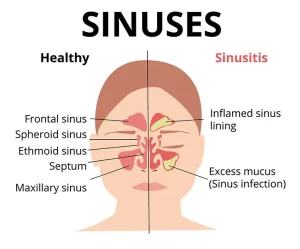
Sudden sinus congestion can feel alarming. It’s one of life mysteries—one minute your breathing is clear, and the next, you feel pressure around your nose, eyes, forehead, and sometimes the scalp. This condition is common and can affect anyone, regardless of their age or overall health.
While sinus congestion is often linked to colds or allergies, many people experience congestion suddenly and without warning. Understanding the causes of sudden sinus congestion, and recognizing the symptoms early can help to effectively manage the discomfort and prevent complications.
What is Sinus Congestion?
Sinus congestion occurs when the tissue lining the sinuses become inflames and swollen, blocking airflow and mucus drainage. Normally, the condition can last 12 week or longer, even with treatment.
The sinuses are hollow, air-filled spaces located behind the forehead, cheeks, nose, and eyes. Their role is to produce mucus that traps, allergens, debris, and bacteria. When healthy, mucus drains smoothly through small opening into the nasal passages. However, irritation or infection can lead to swelling, which blocks these openings. When mucus becomes trapped, pressure builds, leading to congestion, facial discomfort, and difficulty breathing.
Distinguishing between nasal congestion and sinus congestion is important:
- Nasal congestion affects only the nose
- Sinus congestion often includes facial pain, pressure, headaches, and ear discomfort.
Common Causes of Sudden Sinus Congestion
Understanding the triggers of sudden sinus congestion can help guide effective treatment.
Some of the common causes include:
1. Allergies and Allergic Rhinitis
Allergies are the number one cause of sudden sinus congestion. When the body gets exposed to allergens like dust mites, pollen, mold, or pet dander, the immune system releases histamines that cause inflammation in the nasal passages and sinuses.
Common allergy-related signs include:
- Sneezing
- Itchy eyes or nose
- Clear nasal discharge
- Seasonal patterns
2. Common Cold or Viral Infections
Viruses irritate the sinus lining, causing swelling and increased mucus production. Often, sinus congestion from a cold develops quickly and worsens over several days. Symptoms may include sore throat, runny or blocked nose, fatigue, and mild fever.
3. Acute Sinus Infection
Acute sinusitis occurs when bacteria or virus infect trapped mucus in the sinuses. This can result in sudden or severe congestion.
Warning signs include:
- Facial pain or tenderness
- Thick yellow or green mucus
- Fever
- Headache that worsens when bending forward
Weather and Environmental Irritants
Cold air, dry environments, and sudden humidity changes can cause irritation to the sinuses. Many people experience sinus congestion in cold weather due to dried nasal tissue and reduced mucus flow. Also, irritants such as smoke, strong perfumes, cleaning chemicals, and air pollution can also trigger sinus inflammation even in people without allergies.
Structural Nasal Issues
Conditions such as deviated septum, nasal polyps, and narrow sinus openings can increase the likelihood or recurring sinus congestion. This can happen even with minor inflammation.
Symptoms That Often Accompany Sudden Sinus Congestion
Sinus congestion symptoms vary based on the cause and severity but commonly include:
- Headache
- Facial pressure or pain mainly in the cheeks, forehead and eyes
- Blocked or stuffy nose
- Postnasal drip
- Reduce sense of smell or taste
- Ear pressure or popping
- Fatigue
- Tooth pain mainly on the upper jaw
Severe symptoms may be a sign of infection and shouldn’t be ignored.
How Long Does Sinus Congestion Last?
The duration of the sinus congestion depends on its cause:
- Allergy-related congestion: hours to several days
- Viral sinus congestion: 5-10 days
- Bacterial sinus infection: may worsen after 7 days
- Chronic sinus congestion: lasts longer than 12 weeks
If the symptoms persist beyond 10 days or worsen instead of improving, medical evaluation is recommended.
Treatment Options for Sinus Congestion
To relief symptoms, one can use recommended over-the-counter sinus congestion treatments. These include:
Antibiotics
Antibiotics are the standard treatment for bacterial sinus infections. Usually, they are taken from three to 28 days depending on the type of antibiotics. Because the sinuses are found deep in the bones, and blood supply is limited, longer treatment may be prescribed for people with longer lasting of severe cases.
Antibiotics help treat a sinus infection by attacking the bacteria that causes it. However, it’s not until the drug starts to take effect that symptoms will alleviate.
Nasal Decongestant Sprays
Topical nasal decongestants can be helpful with treating sinus congestion. They work by shrinking swollen nasal passages, facilitating the flow of drainage from the sinuses.
Overuse of topical nasal decongestants can result in rebound phenomenon, which is a dependency condition in which the nasal passages swell shut. Therefore, it is advisable to use these medications for not more than three to four days.
Antihistamines
Typically, antihistamines work by blocking the inflammation caused by an allergic reaction. This way, they can help in fighting the symptoms of allergies that can cause swollen nasal and sinus passages.
Pain Relievers
Pain killers help to manage headaches and facial pain associated with sinus pressure. Always follow dosage instructions and consult a healthcare provider if symptoms persist.
Home Remedies for Sinus Congestion Relief
It is possible to successfully manage sinus congestion at home using natural remedies.
Use steam inhalation to help loosen thick mucus and soothe inflamed sinus tissue. Warm showers or steam bowls can offer temporary relief.
Using saline nasal rinse to help flush out allergens, bacteria, and excess mucus. This improves sinus drainage and reduces inflammation.
Drinking enough fluids helps to keep the mucus thin and easier to drain. Water, clear soups, and herbal teas are ideal.
You can apply heat to the faces to increase circulation and reduce sinus pressure.
Sleeping with your head elevated helps to prevent mucus buildup overnight.
A humidifier comes in handy to help add moisture to dry air, which can be helpful in reducing sinus irritation. This is more applicable in air-conditioned or heated environments.
Conclusion
Sudden sinus congestion is uncomfortable but usually manageable with the right approach. Whether caused by allergies, infections, environmental triggers, or dehydration, understanding the underlying cause is key to effective treatment.
Often, most cases resolve with home remedies and over-the-counter treatments. However, persistent or worsening symptoms should be evaluated by a healthcare professional to prevent complications. With proper prevention strategies and early intervention, sinus congestion doesn’t have to disrupt your daily life.
Frequently Asked Questions About Sudden Sinus Congestion
- Will my sinus infection clear up on its own?
Most sinus infections get better with rest, time, and home remedies, including decongestants, nasal sprays, and pain relievers. If you develop a bacterial infection, you can turn to using antibiotics. Normally a bacterial infection diagnosis can only be made until five to 10 days after the symptoms begin to show.
- Can stress and anxiety cause sinus pressure?
Stress and anxiety can have negative effects on sinuses in addition to your overall health. So, yes, it’s possible to experience sinus congestion from stress. Sustained stress weakens the immune system, which leaves you more vulnerable to viruses, bacteria, allergens, and sinus infections.
Some stress-related bacteria eat away the cilia in your sinus that normally trap particles that cause irritation of infection. To prevent stress, you can practice healthy eating and exercise habits, along with meditation and breathing exercises.
- How can I relieve sinus pressure in ears?
Your sinus and ears are connected. So, sinus congestion and stuffiness can directly affect the pressure in your ears, which could lead to ear pain, muffled hearing, and even dizziness.
To prevent this, have the sinus congestion treated. You can also avoid extreme temperatures as they worsen the conditions. Refrain from fast movements such as standing up too quickly or shaking your head fast.
- How can I get rid of sinus congestion headaches?
If a sinus headache is due to an infection, the best treatment is to get rid of the infection. The infection can go away on its own over time or with medication. In the meantime, home treatments options that can help include warm compresses, saline nasal sprays, and decongestants.
- How can I tell whether it’s a tooth infection or a sinus infection?
It can be difficult to tell the difference between a sinus and tooth infection. This is because the pain and pressure are in the same general area. The only way is to identify where and when the pain started first.
When it’s a sinus infection, the symptoms will start near the eyes and move down the face. As for tooth-related infection, symptoms begin the middle of your cheeks near the nostrils and the pain then moves up toward the eyes. Note that sinus infections don’t cause pain in the lower teeth or jaw.
Sources
- Center for Disease Control and Prevention (CDC) – Sinus Infection (Sinusitis)
https://www.cdc.gov/sinus-infection/index.html
- Mayo Clinic – Sinusitis: Symptoms & Causes
https://www.mayoclinic.org/diseases-conditions/sinusitis/symptoms-causes/syc-20351661
- National Institute of Allergy and Infectious Diseases (NIAID) – Allergic Rhinitis
https://www.niaid.nih.gov/diseases-conditions/allergic-rhinitis
- American Academy of Otolaryngology–Head and Neck Surgery – Sinusitis
https://www.enthealth.org/conditions/sinusitis/
- National Health Service (NHS) – Sinusitis
https://www.nhs.uk/conditions/sinusitis/
