



Strokes


A stroke can strike in minutes. Yet, the signs often go unnoticed until it is too late. Understanding the warning signs and acting quickly can mean the difference between recovery and life-altering disability.
What is a Stroke?
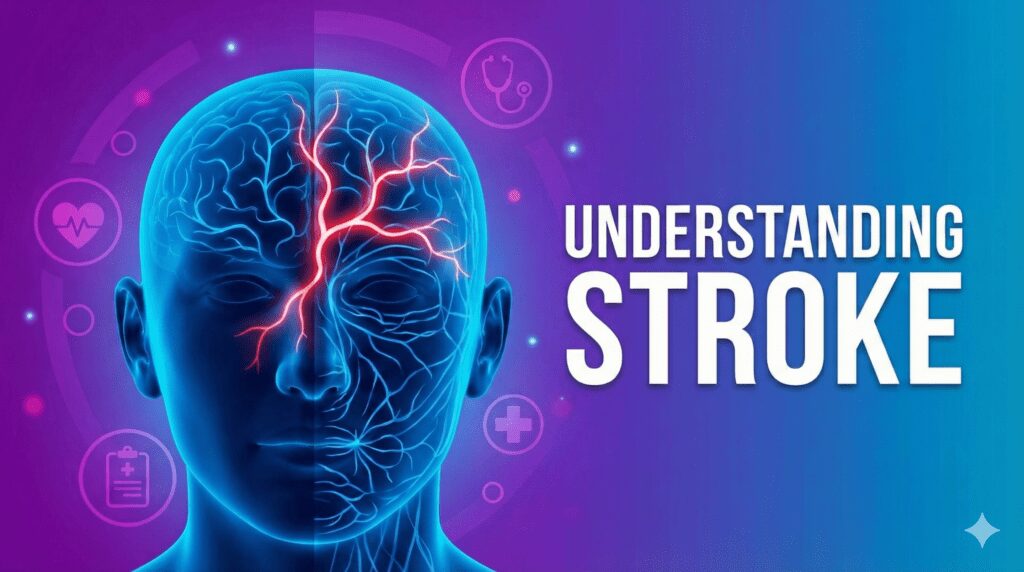
A stroke is a medical emergency that occurs when there is an interruption in the blood supply to the brain. [1] This causes the brain cells to die from lack of oxygen.
Recognizing the signs and acting fast is critical to getting immediate treatment.
Types of stroke include:
- Ischemic stroke. This is the most common type and happens when a blood clot or plaque blocks an artery to the brain. It causes reduced blood flow known as ischemia.
- Hemorrhagic stroke. This type of stroke occurs when a blood vessel in the brain ruptures. Uncontrolled high blood pressure is a common cause.
- Transient ischemic attack (TIA). TIA is a temporary blockage that causes stroke-like symptoms for a short time and may be a warning sign of a future stroke. TIA does not cause permanent damage.
Knowing what a stroke is makes it easier to spot one when it’s happening.
Warning Signs
If you may have had a stroke, pay attention when the symptoms began. This is necessary since some treatments are more effective when given soon after a stroke starts.
Symptoms of stroke include:
- Trouble speaking
- Numbness in the arm or leg
- Headache
- Trouble walking
- Sudden confusion
- Vision issues
Every second counts. When you or someone you know experiences the condition, it is vital to seek immediate medical attention to manage it and avoid further complications.
Understanding the symptoms matters, but recognizing who is most at risk is just as important.
Risk Factors
Many risks play a role in contributing to stroke. These risks can include both medical and lifestyle risk factors.
For lifestyle risk factors, consider the following:
- Obese or overweight
- Physical inactivity
- Binge drinking
- Use of illegal drugs
Medical risk factors include:
- High blood pressure
- High cholesterol
- Diabetes
- Obstructive sleep apnea
- Cardiovascular disease
Studies have also shown COVID-19 to be a risk factor for developing stroke. The study also noted that COVID-19 had a significant independent association with acute ischemic stroke. [2]
Other factors linked with a higher risk of stroke include:
- Age
- Race
- Sex
- Hormones
The good news? Many of these risks can be lowered with the right lifestyle choices.
Prevention
There are helpful steps you can take to prevent a stroke. Also, know your stroke risk factors and follow your healthcare expert’s advice on healthy lifestyle strategies.
Many stroke prevention strategies are the same as strategies to prevent heart disease. Healthy lifestyle recommendations include: [3]
- Control high blood pressure
- Lower the amount of cholesterol and saturated fat in your diet
- Quit tobacco use
- Manage diabetes
- Maintain a healthy weight
- Eat fruits and vegetables
- Exercise regularly
- Limit alcohol
If you experienced an ischemic stroke, your healthcare professional can recommend preventive medicines to help lower your risk of having another stroke. These medicines may include:
- Antiplatelet drugs
- Blood-thinning medicines (anticoagulants)
Treatment saves lives. But only if you act fast. For this reason, awareness matters for everyone.
Do not wait for a stroke to change your life. Take steps now. Learn the warning signs, share them with your loved ones, and commit to regular health checkups. If you or your family member experiences FAST symptoms, call emergency services immediately. Your prompt decision could save a life.
Sources
- Brown R. Stroke. Mayo Clinic. Published 2024. https://www.mayoclinic.org/diseases-conditions/stroke/symptoms-causes/syc-20350113
- Belani P, Schefflein J, Kihira S, et al. COVID-19 Is an Independent Risk Factor for Acute Ischemic Stroke. American Journal of Neuroradiology. 2020;41(8):1361-1364. doi:https://doi.org/10.3174/ajnr.A6650
- Harvard Health Publishing. 7 things you can do to prevent a stroke – Harvard Health. Harvard Health. Published May 15, 2022. https://www.health.harvard.edu/womens-health/8-things-you-can-do-to-prevent-a-stroke