




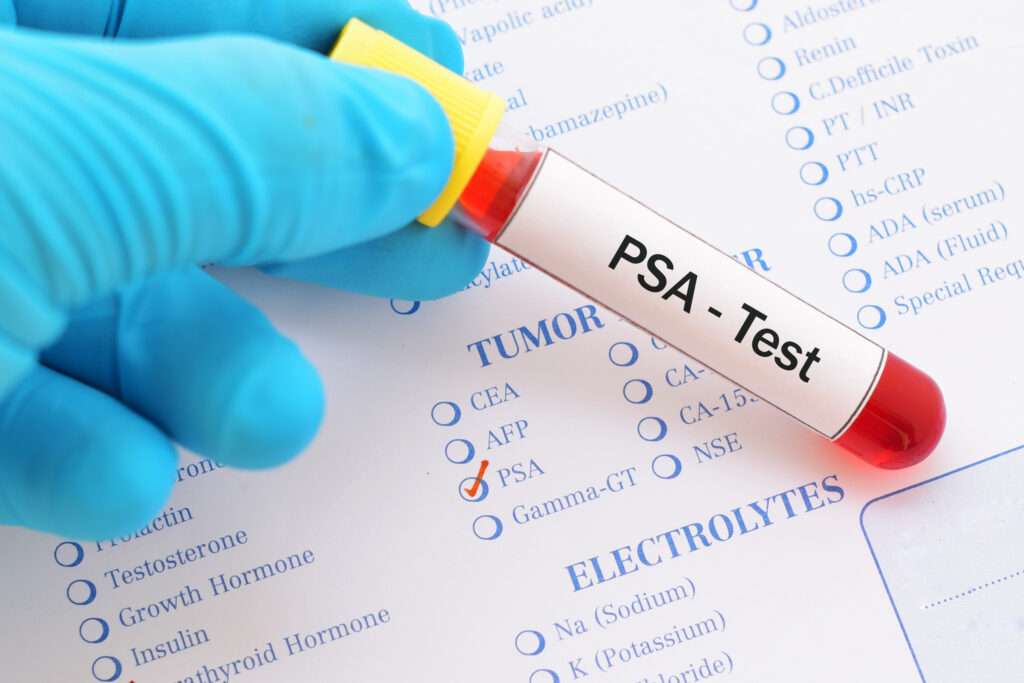
PSA Screening Test: What It Is and Who Should Get It


Prostate cancer is one of the most common cancers affecting men worldwide, and early detection plays a critical role in improving outcomes. One of the primary tools used to identify potential prostate problems is PSA screening.
PSA screening can help spot prostate cancer earlier, often before symptoms show up. But PSA can also rise for reasons that have nothing to do with cancer, like an enlarged prostate or inflammation. Understanding how PSA screening works, who it is recommended for, and its advantages and limitations can help men make informed healthcare decisions.
What is PSA Screening Test?
PSA screening is a blood test that measures the level of prostate-specific antigen (PSA) in the blood. PSA is a protein produced by both normal and cancerous cells in the prostate gland.
Under normal conditions, PSA levels remain relatively low. Elevated PSA levels may indicate prostate cancer, but they can also be caused by non-cancerous conditions such as prostate enlargement or inflammation. PSA screening is primarily used as an early detection tool rather than a definitive diagnostic test.
How PSA Screening Works
PSA screening involves a simple blood draw, usually performed during a routine health checkup. The test measures PSA concentration in nanograms per milliliter (ng/mL).
While there is no universally “normal” PSA level, general reference ranges include:
- PSA below 4.0 ng/mL: Often considered low risk
- PSA between 4.0 and 10.0 ng/mL: Moderately elevated, requiring further evaluation
- PSA above 10.0 ng/mL: Higher likelihood of prostate cancer
Healthcare providers interpret PSA results alongside other factors, including age, family history, prostate size, and changes in PSA levels over time. A PSA of 3.8 might be more concerning in a 45-year-old than in a 75-year-old, and a steady rise over a few tests often gets more attention than a single result.
It also works both ways: a low PSA doesn’t fully rule out prostate cancer, and a high PSA doesn’t prove it. PSA is a signal that helps decide whether more checking makes sense.
Common reasons for a higher PSA that are not cancer
Non-cancer causes are common, and they’re one reason PSA screening can lead to worry that later turns out to be nothing serious. Common causes include:
- Benign prostate enlargement (BPH)
- Prostatitis
- Urinary tract infections
- Temporary bumps after ejaculation
- pressure on the area like after long bike rides
Who should consider PSA screening
PSA screening isn’t a one-size-fits-all test. Instead, it calls for a shared decision-making, meaning you and your clinician talk through your personal risk and how you feel about possible next steps if the test comes back high.
Age and risk factors
If you’re at average risk, the screening conversation often starts around age 55. If you’re at higher risk, it can make sense to talk earlier, often around age 40 to 45.
Higher-risk groups commonly include:
- Black men
- Men with a history of prostate cancer
- Men with known inherited risk factors
Age matters, but so does your baseline health. Screening is most useful when you’re healthy enough to benefit from finding and treating a harmful cancer.
Benefits of PSA Screening
Early Detection of Prostate Cancer
One of the primary advantages of PSA screening is its ability to identify prostate cancer at an early stage, often before symptoms develop. Early detection increases the range of treatment options and improves survival rates.
Monitoring Disease Progression
PSA screening is also used to monitor prostate cancer progression or recurrence in individuals already diagnosed with the disease.
Reduced Risk of Advanced Disease
Regular PSA testing can help reduce the likelihood of detecting cancer only after it has advanced, potentially lowering the risk of complications and aggressive treatment.
Informed Treatment Planning
PSA trends over time provide valuable insights that help clinicians tailor treatment plans based on disease behavior rather than a single test result.
Limitations and Risks of PSA Screening
Despite its benefits, PSA screening has important limitations that should be carefully considered.
False Positives
Elevated PSA levels do not always indicate cancer. Benign prostate enlargement, infections, recent ejaculation, or medical procedures can temporarily raise PSA levels, leading to unnecessary anxiety and further testing.
Overdiagnosis
PSA screening may detect slow-growing prostate cancers that would never cause symptoms or affect lifespan. Treating these cancers can expose patients to unnecessary risks.
Potential Overtreatment
Treatment for prostate cancer can lead to side effects such as urinary incontinence, erectile dysfunction, and bowel problems. PSA screening may result in treatment for cancers that might never have become clinically significant.
False Negatives
Some men with prostate cancer may have normal PSA levels, meaning PSA screening is not foolproof and should not be relied upon as the sole diagnostic method.
How to Prepare for the PSA Screening Test
The PSA test itself is quick. The tricky part is what the number may trigger, from a simple repeat blood draw to imaging or a biopsy. Knowing the usual pathway helps you avoid panic and focus on the next right step.
To improve accuracy, individuals may be advised to:
- Avoid ejaculation for 24–48 hours before testing
- Postpone testing during active urinary infections
- Inform providers about medications or supplements
- Avoid recent prostate manipulation or procedures
Following preparation guidelines helps reduce misleading results.
Understanding PSA Levels and Trends
Rather than relying on a single PSA value, clinicians often focus on PSA trends over time.
PSA Velocity
PSA velocity measures how quickly PSA levels increase. Rapid rises may indicate a higher risk of prostate cancer.
PSA Density
PSA density considers prostate size, helping differentiate between cancer-related PSA elevation and benign enlargement.
Age-Adjusted PSA
PSA levels naturally rise with age, so age-specific reference ranges may provide more accurate risk assessment.
Conclusion
The PSA screening test is a useful tool, but it’s not a diagnosis and it isn’t perfect. PSA can rise for many non-cancer reasons, and even a “normal” result doesn’t give a lifetime guarantee. The best choice usually comes down to age, risk factors, overall health, and how you feel about follow-up testing.
If you’re considering screening, schedule a preventive visit and bring the questions above. A short, honest talk about what you’d do with a high result is often the difference between helpful screening and avoidable stress.
Frequently Asked Questions
Should older men continue PSA screening?
PSA screening may not be beneficial for men with limited life expectancy or significant health conditions. Decisions should be based on overall health rather than age alone.
What happens if my PSA level is elevated?
If PSA levels are higher than expected, a healthcare provider may recommend repeat testing, additional exams, imaging, or a prostate biopsy to determine the cause.
How often should PSA screening be done?
Screening frequency varies based on age, PSA levels, risk factors, and medical history. Some men may benefit from annual testing, while others may only need screening every few years.
At what age should men start PSA screening?
Most men at average risk begin discussing PSA screening with their healthcare provider between ages 50 and 55. Those with higher risk factors may consider starting earlier, depending on medical advice.
Does a high PSA level always mean prostate cancer?
No. Elevated PSA levels can be caused by benign conditions such as prostate enlargement, inflammation, or infection. A high PSA result does not automatically indicate cancer.
