



How Much Screen Time Is Too Much? A Guide for Parents & Kids


In today’s world, screens are everywhere. From phones and tablets to TVs and computers, they are a big part of our daily lives. While screens can help with learning and connecting with others, too much screen time, especially for children, can have real downsides.
Think of screen time like candy. A little bit is fine, but too much can make you feel sick and cause problems. In this blog post, we will discuss how too much screen time can harm our eyes, minds, bodies, and even our sleep, especially for young children.
What is Screen Time?
Screen time is simply the amount of time we spend looking at screens. This includes playing video games, watching videos, scrolling through social media, or even doing homework on a computer.
For adults, it might be checking emails constantly. For kids, it is often hours spent on games or watching cartoons. The problem is not the screen itself, but the amount of time we spend on it and what we are doing during that time.
Why Too Much Screen Time Can Be Bad
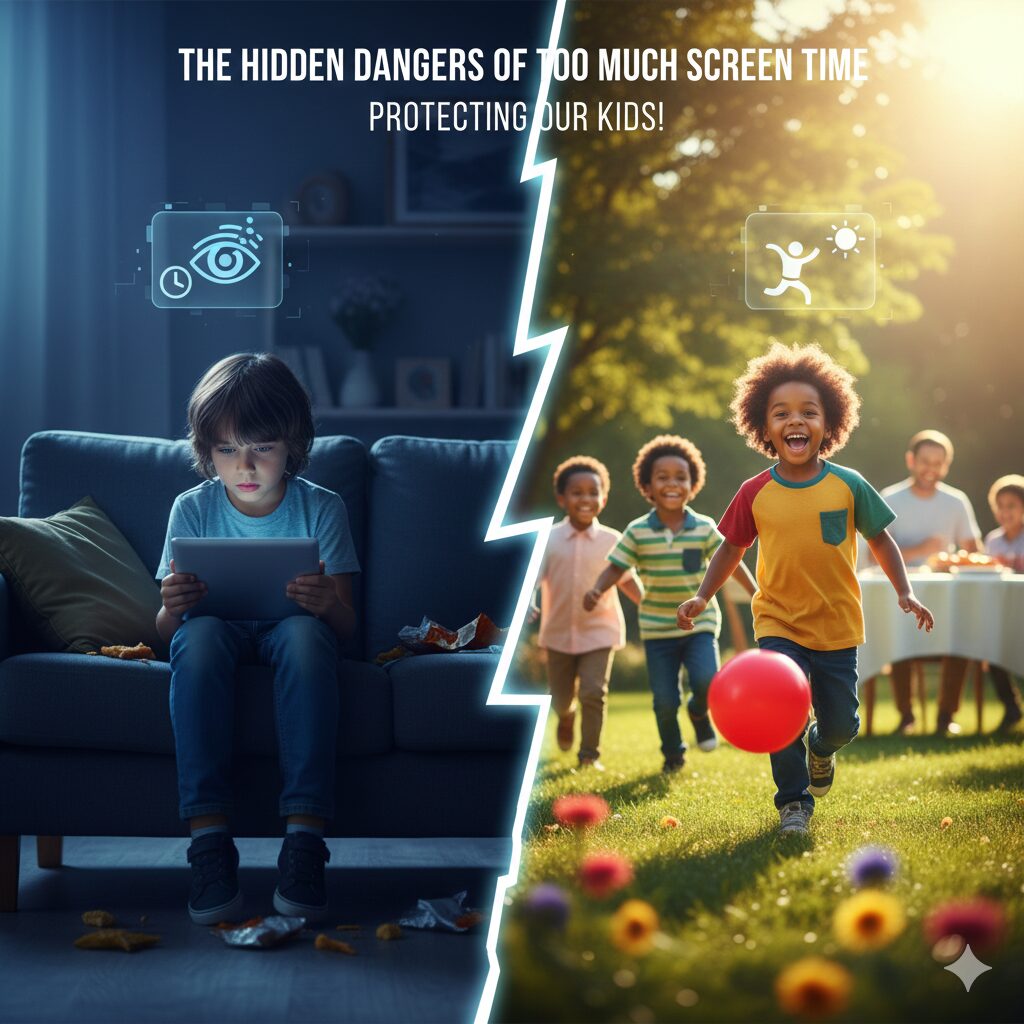
Our eyes are not designed to stare at bright screens for many hours. This can lead to eye strain, where your eyes feel tired, dry, or itchy, and you might even get headaches. Many people also experience blurry vision after prolonged screen time.
For children, spending too much time looking at close-up screens instead of looking at things far away outside can actually make their eyesight worse over time, causing them to need glasses earlier in life.
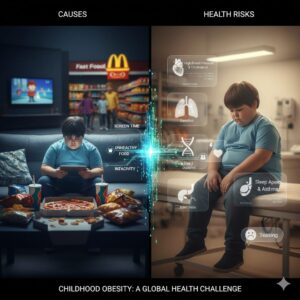
Too much screen time also affects our physical health because it often means we sit for too long. This lack of movement is a significant concern because researchers have found a strong link between screen media exposure and obesity in children. It is crucial to trade screen time for active play to keep growing bodies healthy.
It also causes poor posture, as hunching over a phone or tablet can lead to neck and back pain. Most importantly, when kids are on screens, they are not running or playing outside, which are activities they need to grow strong bones and muscles.
Our brains and feelings are affected by screens as well. Fast-paced games and videos can make it harder for children to focus on slower tasks, such as schoolwork. The bright light from screens, especially before bed, messes with the body’s natural sleep cycle and makes it hard to get good rest.
For teenagers, social media can sometimes cause feelings of sadness or worry. When everyone in a family is looking at their own screen, there is also less time spent talking and sharing moments.
Detrimental Impacts on Children
Children are especially vulnerable to these effects because their brains are still growing. New research has highlighted concerns regarding early screen time and brain development, showing that too much time on tablets or phones during the toddler years can affect a child’s ability to focus and manage their feelings later on.
Some studies suggest that excessive screen time is linked to behavioral issues, such as restlessness and difficulty managing emotions. Additionally, seeing violent content in games or shows can sometimes lead to more aggressive behavior in kids.
How Much Screen Time is Okay?
Experts have clear guidelines to help parents make good choices. For babies under 18 months, there should be no screen time at all, except for video chats with family.
Children between 18 and 24 months should have very little screen time, and a parent should always be there to watch with them.
For kids aged 2 to 5, screen time should be limited to one hour per day of high-quality programs.
Once children reach age 6 and older, parents should set clear limits to ensure there is still plenty of time for sleep, exercise, and family time.
Tips for a Healthier Balance
Finding a healthy balance starts with setting clear rules about how much screen time is allowed each day. It is helpful to create screen-free times, such as during dinner or in the bedroom at night.
Parents should encourage other fun activities, such as reading books, playing outside, or doing arts and crafts.
It is also essential for adults to be good role models by limiting their own phone use when they are with their kids. Talking to children about why these rules exist helps them understand how to use technology safely.
Finally, everyone should follow the “20-20-20 rule for digital eye strain” to protect their eyes: every 20 minutes, look at something 20 feet away for at least 20 seconds.
Healthy Balance Daily Schedule
| Time of Day | Activity | Why it helps |
| Morning | Screen-Free Start: Breakfast, getting dressed, and talking about the day. | Helps the brain wake up naturally without a “digital shock.” |
| Mid-Morning | Active Play: Outdoor time, sports, or a walk. | Sunlight and movement are great for eyes and growing bodies. |
| Afternoon | Learning & Creativity: Reading, building with blocks, or arts and crafts. | Develops hand-eye coordination and patience. |
| Late Afternoon | Screen Time: Watching a favorite show or playing a game (Set a timer!). | Using screens as a reward after finishing chores or play. |
| Dinner Time | Device-Free Zone: All phones and tablets go in a “parking basket” away from the table. | Encourages family talking and better eating habits. |
| Evening | Wind Down: Bath time, puzzles, or listening to music. | Gives the eyes a rest before sleep. |
| 1 Hour Before Bed | Lights Out (Screens): No digital devices at least 60 minutes before sleep. | Helps the body produce “sleep hormones” for a deep rest. |
To help parents make the best choices, doctors have created official rules for different ages. You can find these details in the American Academy of Pediatrics Screen Time Guidelines, which explain that babies need real-world interaction more than digital entertainment to learn and grow.
Bottomline
Screens are a part of modern life, but understanding their impact helps us make better choices. By being mindful of the time we spend online and encouraging active play, we can protect our health. It is all about finding a balance where screens are a helpful tool rather than a danger to our well-being.
Sources
Unicef. The 20-20-2-20 rule. Unicef.org. Published 2021. https://www.unicef.org/vietnam/stories/20-20-2-20-rule
Robinson TN. Screen Media Exposure and Obesity in Children and Adolescents. Pediatrics. 2017;140(Supplement 2):S97-S101. doi:https://doi.org/10.1542/peds.2016-1758k
News N. Early Screen Time Linked to Long-Term Brain Changes, Teen Anxiety – Neuroscience News. Neuroscience News. Published December 30, 2025. https://neurosciencenews.com/anxiety-neurodevelopment-screen-time-30079/
Mostafavi B. AAP: When Your Kids Should — and Shouldn’t — Use Digital Media. Michiganmedicine.org. Published October 21, 2016. https://www.michiganmedicine.org/health-lab/aap-when-your-kids-should-and-shouldnt-use-digital-media