






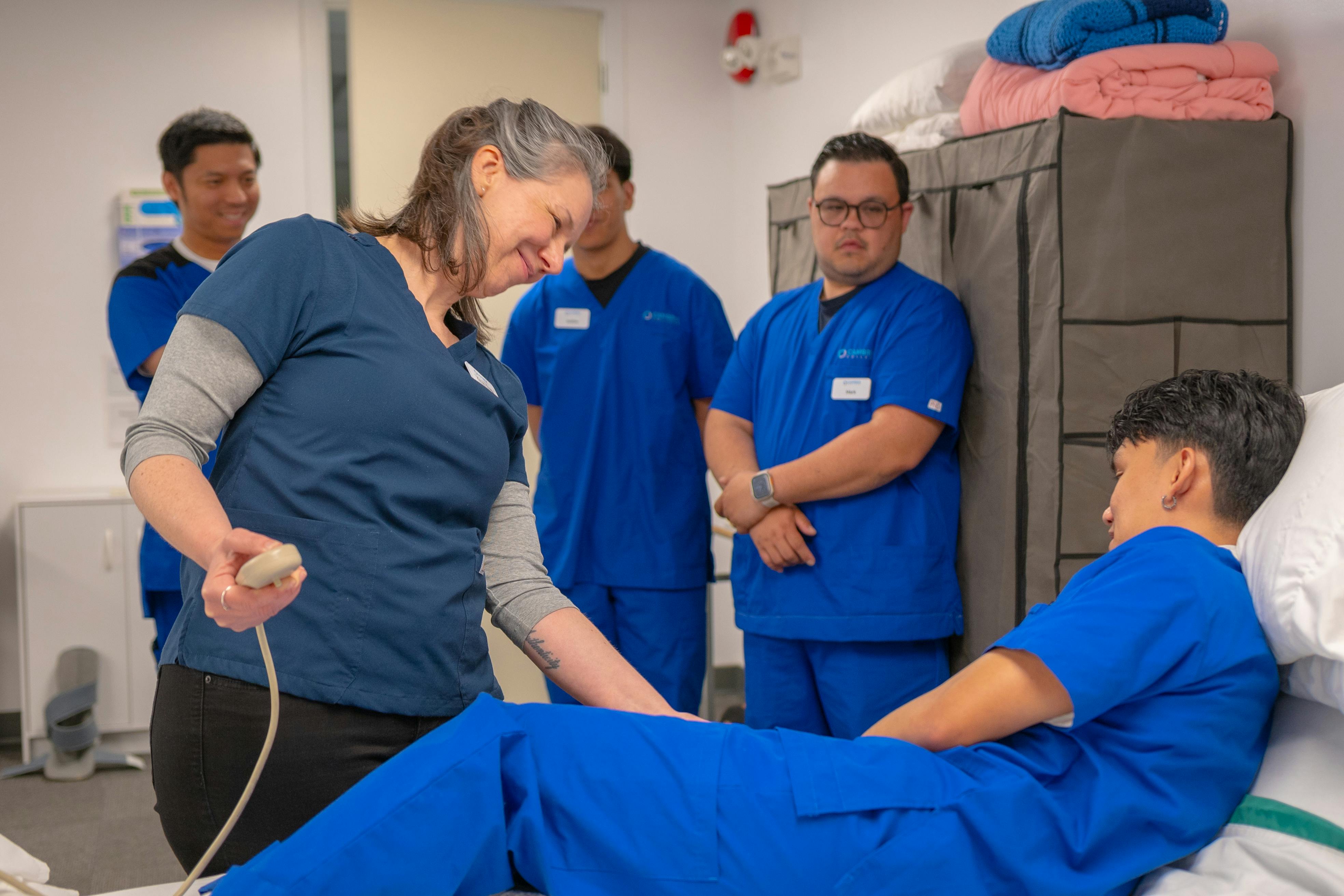
Caring for patients is at the heart of everything healthcare professionals do. Every nurse, doctor, and technician comes to work aiming to provide the best care possible.
Yet hospitals and clinics are busy, high-pressure environments. When alarms sound and workloads climb, unintentional mistakes can occur. Fortunately, ongoing staff education offers a dependable solution.
Targeted staff training builds confidence and clarifies complex processes. It turns standard hospital policies into daily muscle memory. It also bridges gaps between different teams and departments.
As World Health Organization Director-General Dr. Tedros Adhanom Ghebreyesus emphasized at the Global Ministerial Summit on Patient Safety, "Patient safety must be a non-negotiable priority in all health systems, at all levels of care, in all communities and at all income levels."
Investing in regular, interactive training creates a culture of mutual support. Patients feel the positive effects right away. They receive more accurate treatments, recover faster, and feel heard.
In this article, we will walk you through how healthcare staff training enhances patient safety.
Minimizing Medication Administration Errors at the Bedside
Administering medication is one of the most common nursing duties. Recent research published on ResearchGate indicates that nurses spend up to 40% of their working hours on medication-related tasks. That same study reports that over 57% of experienced nurses have witnessed or handled a medication error during their careers.
These mistakes rarely happen because someone is careless. They happen because workers are tired, rushed, or dealing with look-alike drug bottles. Targeted bedside training changes that reality. It teaches clinical teams how to build strong mental fences against common mistakes.
Educators train staff to use a classic checklist called the "Five Rights":
- Right patient: Always check the name and birthday on the wristband.
- Right drug: Compare the label against the doctor's chart three times.
- Right dose: Double-check every math calculation, especially for liquid drugs.
- Right route: Make sure the medicine goes into a vein, muscle, or mouth correctly.
- Right time: Give pills on schedule so drug levels stay steady in the body.
Nurses originally learn these rules in school. But daily pressure can cause workers to cut corners without realizing it. Hands-on refresher classes remind nurses why each check matters.
Eliminating Costly Communication Breakdowns During Handoffs
Patient care is a team effort. Whenever care transitions from one professional to another, crucial details must move seamlessly. Unfortunately, handoffs remain a major source of miscommunication in medicine. Vital allergy notices, pending lab results, or subtle symptom changes can easily slip through the cracks.
Training programs solve handoff vulnerabilities by introducing proven frameworks like ISBAR:
- Identification: Introduce yourself and identify the patient clearly.
- Situation: State the immediate clinical issue or current status.
- Background: Provide pertinent medical history and recent procedures.
- Assessment: Share what you think is going on right now.
- Recommendation: Suggest concrete actions and solicit questions.
Who guides frontline staff through these communication changes? Experienced educators lead the charge. Many registered nurses prepare for this role by enrolling in online nurse educator programs to sharpen their teaching skills.
As online formats offer asynchronous coursework and scheduling flexibility, working nurses can advance their qualifications without having to step away from active bedside practice.
Walsh University notes that nurse educators learn how to build training materials that support professional growth, while mastering curriculum design and effective teaching methods.
Reinforcing Rigorous Infection Prevention Protocols in Everyday Practice
Hospitals exist to help people heal. Sadly, they can also expose sick people to stubborn germs.
Germs like MRSA (methicillin-resistant Staphylococcus aureus) and C. diff (Clostridioides difficile) live on bed rails, door handles, and medical tubes. These germs prolong hospital stays and cause extreme physical discomfort and significant financial strain.
Most hospital-acquired infections are preventable through consistent clinical hygiene practices. A clinical study published in Taylor & Francis tracked hospital infection control measures over multiple years. The researchers found that active surveillance, bedside audits, and regular feedback boosted isolation compliance from 35.4% up to 78.8%.
Yet consistent adherence remains an ongoing challenge without regular staff training. Routine drills transform basic guidelines into automatic habits. Caregivers practice proper hand hygiene before and after touching patients. Black-light lotion drills reveal hidden germs around staff members' nails and wrists.
Specialized line-care workshops teach nurses to disinfect IV hubs and catheters with precision. Daily checks ensure medical tubes are removed the moment they are no longer needed.
Hands-on training gives healthcare teams the confidence to uphold strict defenses, keeping dangerous bacteria away from vulnerable patients every day.
FAQs
How often should healthcare facilities conduct safety training?
Facilities should run brief refreshers monthly or quarterly alongside annual compliance updates. Microlearning modules and spontaneous emergency drills work best to keep critical response skills sharp without overloading busy clinical shifts.
How do hospitals measure the success of staff training programs?
Hospitals track clinical outcome metrics, including patient fall rates, hospital-acquired pressure injury numbers, 30-day readmissions, and incident report trends. They do so to compare these data points before and after specific instructional sessions.
What role do non-clinical staff play in patient safety education?
Environmental services, transport, and administrative staff learn proper sanitation techniques, emergency response steps, and safe patient transfer methods. By doing so, they prevent physical accidents, cross-contamination, and hazards throughout the entire facility.
Key Statistics
| Metric / Focus Area | Statistic / Data Point | Context & Impact |
| Nursing Workload | Up to 40% | Share of working hours nurses spend on medication-related duties. |
| Medication Errors | Over 57% | Proportion of experienced nurses who have witnessed or managed a medication mistake during their career. |
| Infection Control Compliance | 35.4% → 78.8% | Increase in isolation protocol compliance following active surveillance, bedside audits, and regular feedback. |
Staff training is not a boring box to check once a year. It is the engine that powers safe, compassionate medical care.
Healthcare changes fast, new pills arrive every month, and new digital charting systems launch every year. By giving healthcare staff the ongoing training they deserve, hospitals protect both their workers and the patients who count on them.
