






Discover the Facts Behind What Is the Healthiest Water to Drink
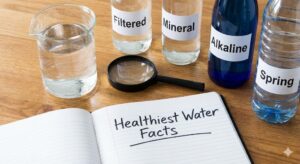
Have you ever paused before sipping your glass of water, wondering if it’s really the healthiest choice? Many people assume all water is the same, but that’s far from true. What Is the Healthiest Water to Drink depends on its purity, minerals, and source. With concerns like water contamination, microplastics, and chemical residues, the type of water you drink directly affects your health. The good news is—knowing the right facts can help you choose the best water for your body.
What Is the Healthiest Water to Drink refers to water that’s clean, mineral-rich, and safe from toxins. In this article, you’ll learn about different types of drinking water, their pros and cons, expert opinions, and practical tips to ensure purity. Ready to make smarter hydration choices? Let’s get started!
Why the Type of Water You Drink Matters
Water quality directly influences how your body functions. It affects hydration levels, digestion, and detoxification. Pure water supports your metabolism, while contaminated water may lead to fatigue or illness.
Essential minerals like magnesium, calcium, and potassium play a vital role in energy and muscle function. The pH balance of water also determines how it interacts with your body.
However, environmental pollution, outdated plumbing, and industrial waste can make ordinary water unsafe. That’s why understanding what is the healthiest water to drink isn’t just a trend—it’s a necessity for well-being.
Common Types of Drinking Water (Pros and Cons)
Tap Water
Tap water is convenient and regulated in most countries. It often contains chlorine and fluoride to prevent bacterial growth. However, it may also include lead, microplastics, and residual chemicals from pipes.
Pros: Easily accessible and affordable.
Cons: Quality varies by region; may require filtering for safety.
Filtered Water
Filtered water is among the top contenders for what is the healthiest water to drink. Using a carbon filter or reverse osmosis system, it removes contaminants while retaining beneficial minerals.
Pros: Reduces harmful substances; improves taste and odor.
Cons: Initial setup cost; filters need maintenance.
Bottled Water
Bottled water comes in varieties like spring, mineral, or purified. Though marketed as clean, studies reveal traces of plastic particles and inconsistent regulation.
Pros: Convenient on the go.
Cons: Expensive; contributes to plastic pollution.
Distilled Water
Distilled water is created by boiling and condensing vapor, leaving behind impurities. It’s pure but stripped of essential minerals.
Pros: Extremely pure; ideal for detox.
Cons: Lacks natural minerals; long-term use may cause mineral deficiency.
Alkaline Water
Alkaline water has a higher pH level, often claimed to neutralize acidity and improve energy. While it hydrates effectively, research on its medical benefits is limited.
Pros: May help with acid reflux; smooth taste.
Cons: Overconsumption can upset natural body balance.
Spring and Mineral Water
This water is naturally sourced from underground springs and contains beneficial minerals like zinc, magnesium, and sodium.
Pros: Naturally pure; supports hydration and taste.
Cons: Expensive and not always sustainable for mass use.
Comparing Popular Water Types: Which Is Truly the Healthiest?
Here’s a quick comparison to understand the healthiest option:
| Type of Water | Purity | Mineral Content | Taste | Best Use |
| Tap Water | Moderate | Medium | Varies | Daily use (with filter) |
| Filtered Water | High | Retained | Fresh | Everyday drinking |
| Bottled Water | Varies | Medium | Good | Travel |
| Distilled Water | Very High | None | Flat | Short detox |
| Alkaline Water | High | Added minerals | Smooth | Occasional |
| Spring/Mineral Water | High | Rich | Natural | Regular use |
Verdict: Filtered or natural spring water ranks best for overall health.
How to Ensure You’re Drinking Safe and Healthy Water
Check Your Local Water Quality Reports
Every region provides annual water quality reports. Reviewing them reveals contaminants like lead or arsenic.
Use a Reliable Water Filter
Invest in a reverse osmosis system or activated carbon filter for long-term safety.
Store Water Safely
Avoid BPA plastic bottles and use stainless steel or glass containers. Keep your water away from direct sunlight to prevent bacterial growth.
Myths and Misconceptions About Drinking Water
- “All bottled water is clean.” – False; quality varies widely.
- “Alkaline water cures diseases.” – No scientific proof supports this.
- “Distilled water is always best.” – It lacks minerals needed for health.
Understanding these myths helps you stay informed about what is the healthiest water to drink.
Expert Opinions and Scientific Insights
Studies by the World Health Organization (WHO) and Centers for Disease Control (CDC) highlight that mineral balance is crucial. Experts recommend drinking filtered water enriched with electrolytes, ensuring both purity and nutrition. Nutritionists agree that staying hydrated with clean, mineral-rich water improves skin, digestion, and focus.
Final Verdict: What Is the Healthiest Water to Drink
After evaluating all options, filtered water and spring water emerge as the healthiest. They offer a balance of purity, minerals, and taste. Distilled water can be beneficial occasionally, but not as a daily choice. Choosing reliable filtration systems ensures every sip supports your body’s natural functions.
Conclusion
Pure, clean, and mineral-balanced water is essential for long-term health. By now, you’ve learned what is the healthiest water to drink and how to make informed hydration choices. Don’t compromise your wellness—switch to a trusted filtration system or a natural spring source.
FAQs
- Is alkaline water really better than regular water?
Not necessarily. While it may help some with acid reflux, regular filtered water is just as effective for hydration. - Can bottled water be harmful to health?
Yes, some brands contain microplastics or chemical residues. Always check quality labels before purchase. - Which water filter removes the most contaminants?
Reverse osmosis filters and activated carbon systems are most effective for removing heavy metals and chlorine. - How much water should I drink daily for good health?
On average, 8–10 glasses per day, but adjust based on activity and climate. - Does boiling tap water make it safer to drink?
Boiling removes bacteria but not heavy metals or chemicals—filtering is more reliable.