




Common Food Allergies: The Big 9, Symptoms, Diagnosis, and Staying Safe


A food allergy happens when the immune system mistakes a food protein for a threat and reacts to it. That reaction can range from mild hives to a life-threatening emergency. A food intolerance is different. It usually involves the digestive system and doesn’t trigger the same immune response.
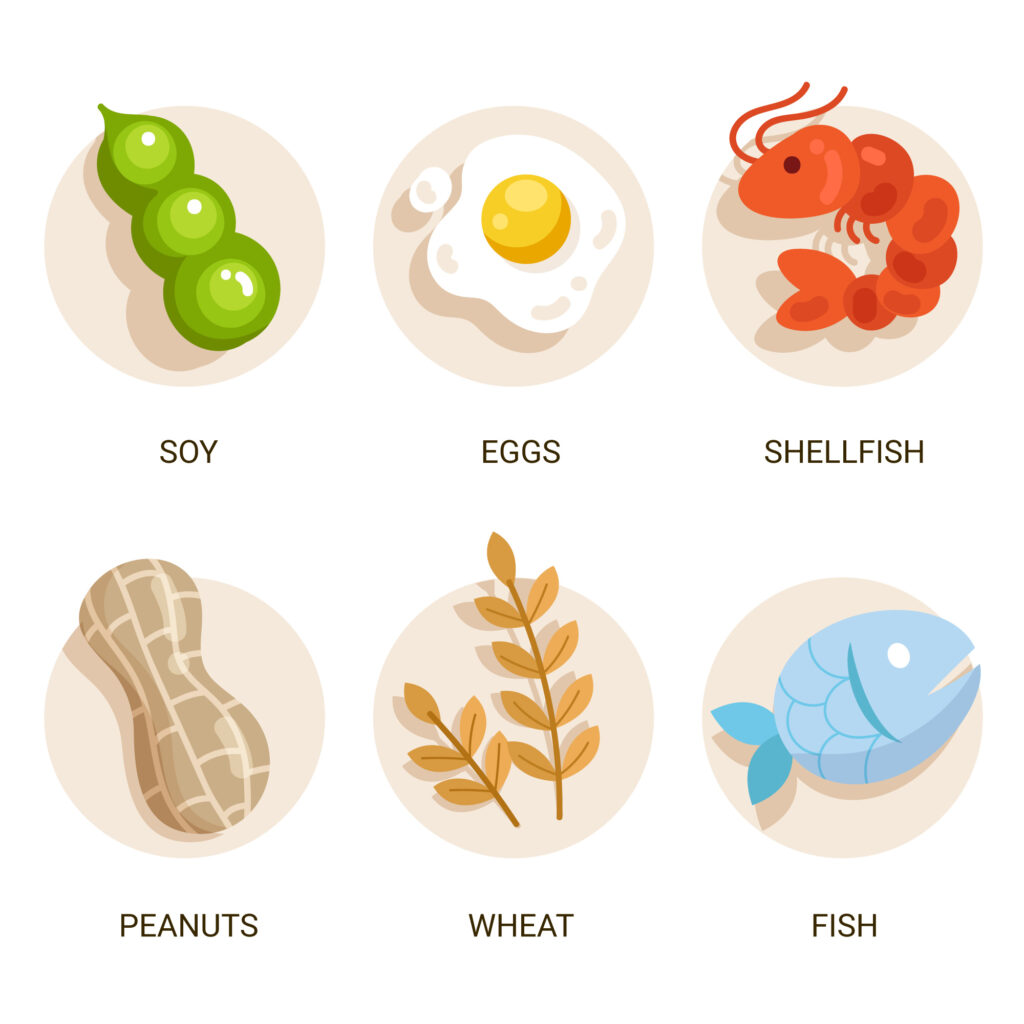
Most reactions are linked to the “Big 9” allergens: milk, eggs, peanuts, tree nuts, wheat, soy, fish, shellfish, and sesame. This post breaks down where these allergens commonly hide, what symptoms to watch for, how clinicians diagnose food allergies, and practical ways to stay safe.
The Big 9 Common Food Allergies
The Big 9 are the most common food allergy triggers in the US. They show up often because they’re widely used to add flavor, texture, protein, or shelf life to packaged foods and restaurant meals.
Some countries and organizations track additional allergens, and some people react to foods outside this list. Still, the Big 9 is a strong starting point for label reading and restaurant questions. Surprise reactions often come from hidden ingredients like milk proteins in non-dairy creamers or cross-contact when a safe food touches an allergen through shared equipment, oil, or prep surfaces.
Milk and Egg Allergies: Common in Kids
Milk can hide in cheese, yogurt, butter, cream, and ingredients like whey and casein. Egg shows up in mayonnaise, some pastas, breaded foods, and baked items, and it’s often listed as egg whites or albumin.
Some people tolerate baked milk or baked egg under medical guidance, but others still react, even when the food is cooked. Don’t guess. Read ingredient lists every time, and treat “may contain” or “processed in a facility” statements as meaningful risk signals for some families.
Peanut and Tree Nut Allergies
Peanuts are legumes, while tree nuts include almonds, walnuts, cashews, pistachios, pecans, and more. People can be allergic to one, the other, or both, and the plan should come from an allergist.
Hidden sources are common: candies, cookies, protein bars, sauces, and some ice creams. Nut oils can also be an issue, depending on the oil and the person. Cross-contact is a big problem in bulk bins, bakery cases, and factories that run multiple products on shared lines.
Wheat and Soy Allergies
Wheat is a frequent ingredient in breads, cereals, soups, gravies, and coatings on fried foods. It can also show up in unexpected places like some soy sauces and flavorings.
Soy is everywhere in processed foods: tofu, edamame, miso, soy protein, and soy lecithin. Quick clarification: wheat allergy isn’t the same as celiac disease, and it isn’t the same as non-celiac gluten sensitivity. They’re different conditions with different testing and treatment.
Fish and Shellfish Allergies
Fish allergies involve finned fish, like salmon, tuna, and cod. Shellfish allergies involve crustaceans, including shrimp, crab, lobster and sometimes mollusks, like clams, mussels, oysters.
Restaurants can be risky because of shared fryers, grills, and seafood steam. Some people react to one type and not another, but it’s not a DIY experiment. Follow your allergist’s guidance, and ask direct questions about shared equipment before ordering.
Sesame Allergy
Sesame can appear as tahini, hummus, sesame oil, buns with seeds, and seasoning blends. It can also show up as sesame flour or paste in baked goods and snack foods.
Because sesame is now recognized as a major allergen in labeling, it’s easier to spot on packages, but it can still surprise people in restaurant foods and bakery items. FAACT’s overview of sesame as a Top 9 allergen is a helpful reference for common sources and label terms.
Signs and Symptoms of a Food Allergy
Food allergy symptoms don’t all follow the same clock. Classic IgE-mediated reactions can begin within minutes; often within 2 hours. Other immune reactions, sometimes called non-IgE, may be delayed for hours or longer and can look more like ongoing stomach or skin issues. Timing matters, but patterns can be confusing, so document what happened and share it with a clinician.
Common Mild to Moderate Symptoms
- Hives or itchy skin: Red, raised welts or widespread itching.
- Swelling: Lips, face, eyelids, or tongue may swell.
- Stomach symptoms: Cramps, vomiting, diarrhea, or nausea.
- Mouth or throat itching: Tingling or itchiness after eating.
- Nasal symptoms: Sneezing, runny nose, or congestion.
Symptoms can involve more than one body system at the same time, like skin plus stomach, or nose plus mouth.
Anaphylaxis Warning Signs
Anaphylaxis is a severe allergic reaction that can worsen quickly. Red flags include trouble breathing, wheezing, throat tightness, fainting, severe swelling, repeated vomiting, or sudden weakness.
If epinephrine is prescribed, use it right away when anaphylaxis is suspected, then call 911. Lie down with legs raised if it’s safe, and don’t drive yourself. A second dose may be needed based on medical advice and the person’s emergency plan. Antihistamines can help itching or hives, but they don’t stop anaphylaxis.
Diagnosis and Daily Management of Food Allergies
Food allergies may feel like an endless guesswork. The goal is to replace guessing with a clear diagnosis and a practical routine that fits real life.
How Doctors Confirm a Food Allergy
Diagnosis usually starts with a careful history: what you ate, how much, how fast symptoms began, and what happened next. Skin prick tests and blood IgE tests can support the story, but they mainly show sensitization, not always a true clinical allergy.
Elimination diets should be done with guidance, especially for kids, because broad avoidance can hurt nutrition and quality of life. When answers are still unclear, an oral food challenge done under medical supervision is often considered the most accurate way to confirm an allergy.
Conclusion
Common food allergies often come back to the Big 9: milk, egg, peanut, tree nuts, wheat, soy, fish, shellfish, and sesame. Knowing where allergens hide, recognizing symptoms early, and getting proper testing can turn fear into a workable plan.
Next steps are simple: track reactions, avoid only the suspected trigger until you’re evaluated, schedule a visit with a clinician or allergist, and keep an emergency plan if you’ve had severe symptoms. One good plan, practiced often, can make everyday meals feel normal again.
FAQs About Common Food Allergies
What is the difference between an allergy and intolerance?
An allergy involves the immune system and can cause severe reactions. An intolerance is usually a digestive problem and doesn’t cause anaphylaxis. Because symptoms can overlap, it’s smart to get evaluated.
Can you outgrow food allergies?
Some people, especially kids, may outgrow certain allergies like milk or egg. Others, like peanut, tree nut, fish, and shellfish allergies, are more likely to persist. Your clinician can track progress with repeat testing when appropriate.
Do “may contain” labels matter?
They can. These statements often point to cross-contact risk during manufacturing. Your allergist can help you decide how strict you need to be based on your history.
Is it safe to eat food cooked in the same oil?
Sometimes it’s not. Shared fryers can transfer allergen proteins, especially with breaded foods. If the restaurant can’t confirm a dedicated fryer, choose another option.
When should I see an allergist?
If you’ve had hives, swelling, vomiting, breathing symptoms, or repeat reactions tied to a food, schedule an evaluation. Don’t self-diagnose or start a long elimination list without medical guidance. Personalized advice should come from a clinician.
