




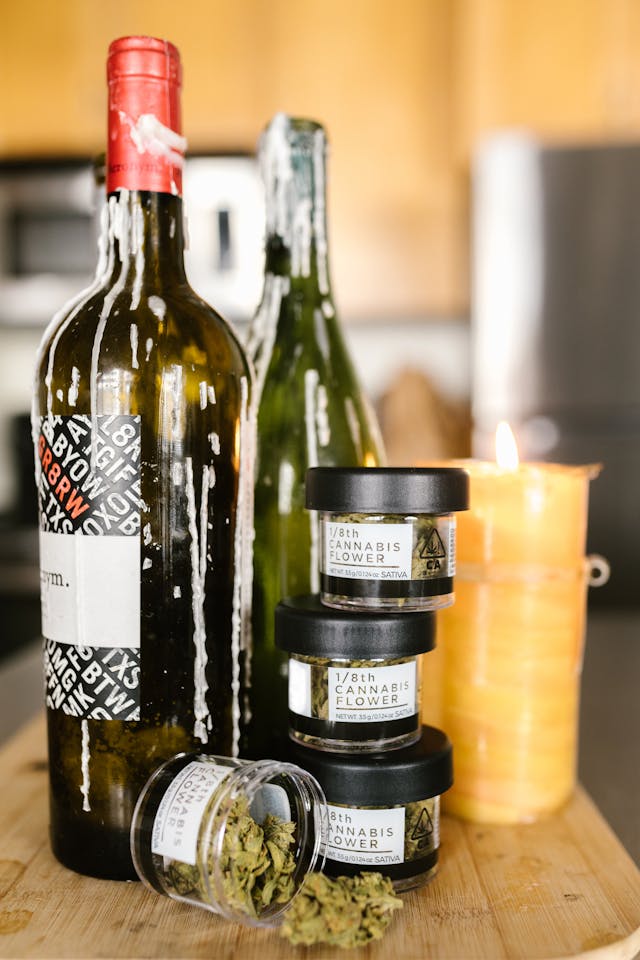
Alcohol vs. CBD: Which Is Worse for Blood Pressure?


In today’s health-conscious society, millions of Americans grapple with decisions about substances that may impact their cardiovascular well-being. High blood pressure, or hypertension, affects nearly half of all adults in the United States, making it one of the most prevalent chronic conditions in modern medicine.
As consumers become increasingly aware of their heart health, many find themselves questioning the effects of common substances like alcohol and the increasingly popular cannabidiol (CBD) on their blood pressure readings. Understanding how these compounds interact with your cardiovascular system is essential for making informed decisions about your health and lifestyle choices.
The Impact of Alcohol on Blood Pressure
Alcohol is one of the most widely consumed substances globally, yet its relationship with blood pressure is complex and dose-dependent. While many believe a drink a day keeps the doctor away, the reality regarding hypertension is far more sobering.
The Immediate Effects: The “Biphasic” Response
When you consume alcohol, your body undergoes an immediate physiological change. When you first start drinking, alcohol triggers a widening of the arteries, temporarily relaxing the vessels to allow for easier blood flow. This can cause a temporary, slight drop in blood pressure. However, this effect is short-lived.
As the body metabolizes alcohol, the substance shifts to acting as a vasoconstrictor. It stimulates the sympathetic nervous system, leading to the release of stress hormones like adrenaline and cortisol. This causes the heart rate to spike and blood vessels to constrict, resulting in a rapid rise in blood pressure.
Chronic Consumption and Hypertension
The long-term effects of alcohol on blood pressure are where the real danger lies. Regular consumption disrupts the baroreceptors—the sensors in your arteries that detect blood pressure changes. Over time, these sensors become less sensitive, making it harder for the body to regulate pressure naturally.
Furthermore, alcohol affects the kidneys. It alters the kidney’s ability to manage fluid and electrolytes, specifically sodium. High sodium retention leads to increased fluid volume in the blood vessels, exerting more force against arterial walls.
According to the American Heart Association, drinking too much alcohol can raise blood pressure to unhealthy levels. Consuming more than three drinks in one sitting can temporarily raise your blood pressure, but repeated binge drinking can lead to long-term hypertension.
The Calorie Factor
It is impossible to discuss alcohol and heart health without mentioning weight. Alcohol is calorie-dense (7 calories per gram), offering “empty calories” with no nutritional value. Regular consumption contributes to weight gain and obesity, which are the primary risk factors for developing secondary hypertension.
The Impact of CBD on Blood Pressure
Unlike alcohol, CBD is non-intoxicating and interacts with the body through the Endocannabinoid System (ECS). The ECS plays a crucial role in regulating homeostasis, including cardiovascular function.
Vasodilation and Stress Response
Research into CBD and blood pressure is still emerging, but current studies offer a contrasting narrative to alcohol. A landmark study published in JCI Insight found that a single dose of CBD reduced resting systolic blood pressure and stroke volume in healthy volunteers.
CBD appears to act as a vasodilator, helping to widen blood vessels and improve blood flow. This reduces the resistance the heart must pump against, thereby lowering pressure. Additionally, CBD is well-documented for its anxiolytic (anxiety-reducing) properties. Since stress and anxiety are significant contributors to temporary blood pressure spikes, CBD’s ability to calm the nervous system may indirectly aid in keeping blood pressure stable.
Acute vs. Chronic Use
While alcohol tends to worsen blood pressure over time (tolerance requiring more alcohol, leading to more damage), CBD may offer sustained benefits without the same degenerative risks. However, it is not without caveats.
The dosage of CBD matters immensely. While low-to-moderate doses may lower blood pressure, the effects can be biphasic. Some users report that extremely high doses might yield different results, though clinical data on toxicity remains low.
Interaction with Medication
A critical consideration for hypertension patients is medication interaction. Many individuals with high blood pressure take beta-blockers, ACE inhibitors, or diuretics. CBD is metabolized by the liver enzyme CYP450, the same enzyme system used by many blood pressure medications. This competition can alter the effectiveness of prescribed drugs, making it essential to consult a physician before mixing CBD with heart medication.
Alcohol vs. CBD: Which Is Worse?
When strictly analyzing the impact on blood pressure, alcohol is significantly worse than CBD.
Here is a breakdown of why:
Mechanism of Action
Alcohol: Eventually constricts blood vessels, increases heart rate, and damages the artery walls over time. It promotes inflammation and disrupts the body’s natural pressure regulation.
CBD: Generally, promotes vasodilation and reduces heart rate variability associated with stress. It possesses anti-inflammatory properties that may protect arterial walls.
The “Rebound” Effect
Alcohol withdrawal, even from just a night of heavy drinking, can cause a “rebound” effect where blood pressure skyrockets the following day. This places immense strain on the cardiovascular system.
CBD does not produce a withdrawal syndrome that spikes blood pressure; cessation generally results in a return to baseline without dangerous spikes.
Impact on Sleep
Sleep quality is directly linked to blood pressure (a phenomenon known as “nocturnal dipping,” where BP drops at night). While alcohol might help you fall asleep, it disrupts REM sleep and causes fragmented sleep, leading to higher blood pressure the next day.
CBD, conversely, is often used to improve sleep quality by addressing underlying anxiety or pain, potentially offering a protective effect for nighttime blood pressure regulation.
Organ Damage
Chronic alcohol use is directly linked to cardiomyopathy (weakening of the heart muscle) and liver cirrhosis, both of which complicate hypertension management. CBD has a much safer toxicity profile, with no evidence suggesting it causes organ damage at standard therapeutic doses.
The Verdict
If you are managing hypertension, alcohol poses a clear and present danger. It contributes to the disease process through weight gain, sympathetic nervous system stimulation, and direct vascular damage.
CBD, on the other hand, presents a neutral to potentially beneficial profile. While it is not a first-line treatment for hypertension, it does not carry the cardiovascular risks associated with alcohol. It may serve as a safer alternative for individuals looking to unwind without compromising their heart health.
The bottom line: If you must choose between a glass of wine and a dose of CBD oil to relax, the science suggests that CBD is the kinder choice for your blood pressure.
Frequently Asked Questions (FAQs)
Can I use CBD in place of my blood pressure medication?
No. You should never stop taking prescribed blood pressure medication without consulting your doctor. While CBD shows promise in lowering blood pressure, it is not a replacement for clinically proven pharmaceuticals. Additionally, CBD can interact with medications like beta-blockers, potentially altering their efficacy.
Does the method of CBD consumption affect blood pressure differently?
Yes. Inhalation (vaping or smoking) provides the fastest relief but introduces heat and smoke into the lungs, which can temporarily stimulate the cardiovascular system. Sublingual oils or edibles provide a slower release but result in more sustained levels in the bloodstream, which may be better for maintaining stable blood pressure.
Does mixing CBD and alcohol lower blood pressure too much?
Mixing the two can be unpredictable. Since both alcohol (initially) and CBD can cause vasodilation and sedation, taking them together may amplify these effects. This could lead to orthostatic hypotension—a sudden drop in blood pressure when standing up—which can cause dizziness or fainting.
Does THC affect blood pressure differently than CBD?
Yes, they have opposite effects on the cardiovascular system. THC, which is psychoactive, can temporarily increase heart rate and blood pressure due to anxiety or psychoactive stimulation. CBD is non-psychoactive and generally counters the anxiety-induced cardiovascular spikes associated with THC.
How long after drinking alcohol does blood pressure return to normal?
For a single drinking episode, blood pressure usually remains elevated for several hours and can stay high for up to 24 hours. In chronic heavy drinkers, it can take weeks or even months of abstinence for blood pressure to return to healthy baseline levels after quitting.
Sources
- American Heart Association: Alcohol and Heart Health.
(https://www.heart.org)
- JCI Insight: (https://www.ncbi.nlm.nih.gov/pmc/articles/PMC5569602/)
- National Institute on Alcohol Abuse and Alcoholism: Alcohol’s Effects on the Cardiovascular System
(https://www.niaaa.nih.gov)
- British Journal of Clinical Pharmacology: Cardiovascular effects of cannabinoids (https://www.ncbi.nlm.nih.gov/pmc/articles/PMC3400688/)
