




Veneers Beyond Appearance: What Changes in Your Teeth and Daily Life


Veneers can create a brighter, more even smile, but their effects reach beyond appearance. They change tooth surfaces and may involve permanent enamel alterations. In Staten Island, people considering cosmetic treatment should look beyond photographs and understand what the procedure involves, what it can improve, and how to care for the result.
Veneers Are Cosmetic, but the Decision Is Clinical
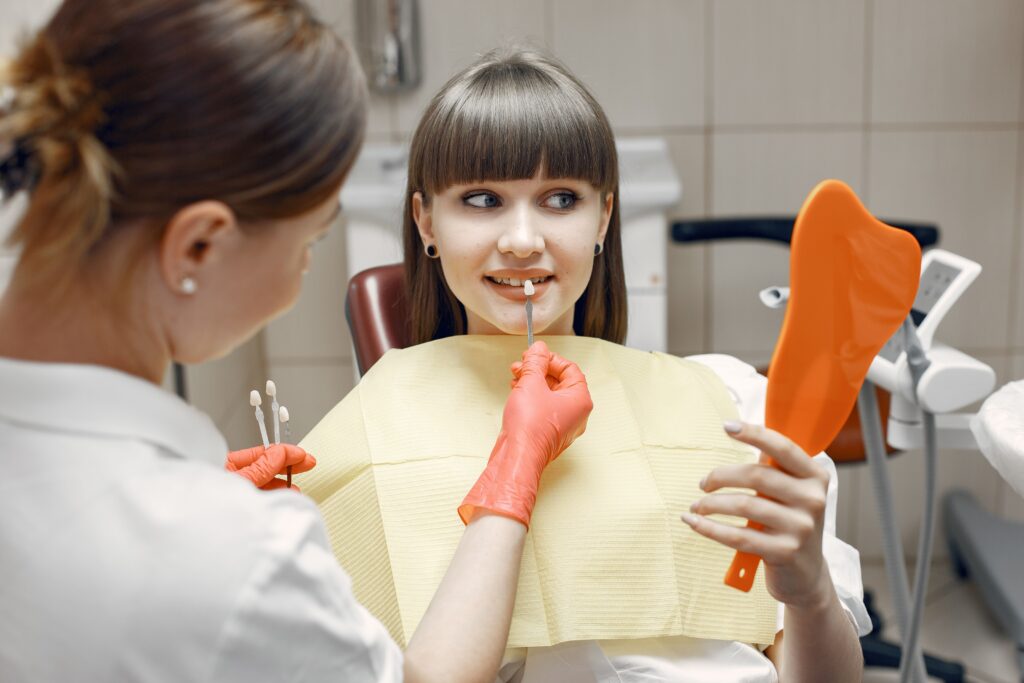
Veneers are thin coverings bonded to the front surfaces of teeth. They can improve the appearance of chips, discoloration, small gaps, and irregular shapes. However, choosing them is not simply a matter of selecting a shade. A dentist must assess tooth structure, gum health, bite alignment, and the amount of enamel available for bonding.
The goal should be a result that suits your face and functions comfortably. Tooth proportions, lip movement, and the relationship between upper and lower teeth all influence planning. A treatment may look attractive in a photograph yet feel bulky if these details are overlooked.
Make the Choice for Your Long-Term Oral Health
A successful veneer treatment starts with understanding your dental needs, choosing the right material, and finding a dentist who prioritizes both appearance and oral health.
When considering porcelain veneers Staten Island has plenty of options, so compare providers based on clinical experience, diagnostic planning, material choices, and their willingness to explain limitations. You should feel comfortable asking questions and taking time before committing.
The best decision balances appearance with healthy teeth, a stable bite, and expectations. Veneers can make a difference for suitable patients, but they are not the only route to a more confident smile. Understand the trade-offs, explore conservative alternatives, and choose a treatment plan you can maintain for years.
Your Enamel, Bite, and Habits Affect Candidacy
Not everyone is a suitable candidate. Untreated decay, gum disease, insufficient enamel, or extensive damage may make veneers inappropriate until other problems are addressed. Grinding and clenching can place repeated pressure on restorations, increasing the risk of chips, cracks, or debonding. Nail biting, chewing ice, and using teeth to open packaging can also cause damage.
A thorough assessment may include photographs, X-rays, bite evaluation, and digital scans. Your dentist should explain whether bonding, orthodontics, whitening, crowns, or another treatment would better address your concern.
The American Dental Association's overview of dental veneers explains that enamel removal can make treatment irreversible and that decay or gum disease should be treated before placement. This is an important reason to discuss alternatives before agreeing to preparation.
Before treatment, ask how the proposed shape will affect the way your front teeth meet when you bite. Veneers can change the contact between teeth, and even small discrepancies may become noticeable when chewing or speaking. If your bite is already uneven, the dentist may recommend addressing that issue first rather than covering it with cosmetic restorations. This discussion helps protect both comfort and the work being planned.
Material Choice Influences Appearance and Upkeep
Porcelain and composite are common veneer materials, but they behave differently. Porcelain is made outside the mouth and bonded to the prepared tooth. It generally offers strong stain resistance and can reproduce the light-reflecting qualities of natural enamel. Composite resin is applied directly or built up in layers. It may require less enamel removal in some cases and can often be repaired more easily, although it may stain or wear sooner.
Neither material is right for everyone. Consider tooth condition, the desired change, bite, appearance, and future maintenance costs. Ask why a particular option is recommended for each tooth.
Natural-Looking Results Depend on More Than Whiteness
Excessively opaque, bulky, or identical veneers can look artificial. Natural teeth have subtle differences in translucency, texture, and shade, so reproducing those qualities requires planning with the dental laboratory.
Discuss shade in relation to your complexion, age, and surrounding teeth. Ask to review a mock-up or temporary design when one is appropriate. The length and shape should also work with your speech and lip movement. A restrained improvement can often look more believable than choosing the brightest shade available.
Understand the Preparation and Placement Process
Treatment usually begins with an examination and a discussion of goals. If porcelain veneers are suitable, the dentist may remove a small amount of enamel to create space for the restorations. Impressions or digital scans are then used to make custom veneers. Temporary coverings may be placed while the final pieces are fabricated. At a later appointment, the dentist checks fit, shape, shade, and bite before bonding them in place.
The amount of preparation varies. Some cases may need minimal alteration, while others require more. Because enamel does not grow back, ask exactly how much tooth structure will be removed and whether a less invasive option is possible. You should also understand that sensitivity can occur and that the final bite may need adjustment.
Everyday Habits Still Matter After Treatment
Veneers do not protect underlying teeth from decay or gum disease. Brush with fluoride toothpaste, clean between teeth daily, and attend dental appointments. Avoid chewing ice or using your teeth as tools. Ask about a night guard if you grind.
Healthdirect's guide to dental veneers outlines possible issues such as sensitivity, cracking, loosening, and changes around the gumline. It also emphasizes that good oral hygiene and regular dental reviews remain important after placement.
Cost and Longevity Need an Honest Discussion
Veneers are a long-term financial commitment, not a one-time purchase with a guaranteed lifetime result. Their lifespan depends on material, preparation, bonding, bite forces, oral hygiene, and habits. A veneer may chip, crack, loosen, or need replacement. The underlying tooth can also develop decay, so maintenance remains essential.
Ask for a written estimate that explains what is included, whether temporary restorations and follow-up visits are covered, and what repairs or replacements might cost. Find out whether one damaged veneer can be replaced without creating a visible mismatch. If you may want whitening later, discuss timing because restorations do not respond to bleaching in the same way natural enamel does.
