




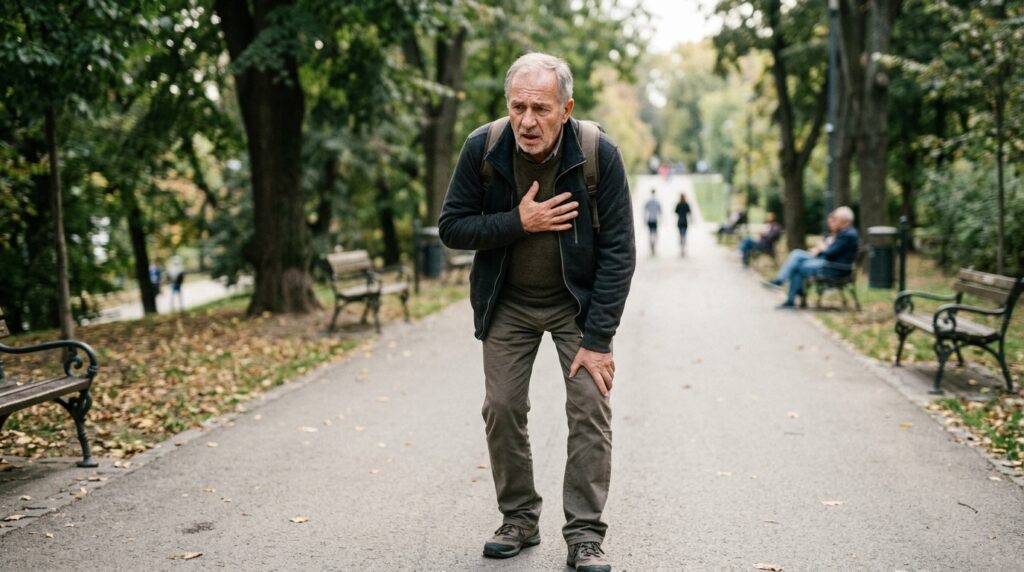
Shortness of Breath When Walking: Causes, Symptoms, and When to Worry


Feeling out of breath after a long walk or strenuous activity can be normal. However, shortness of breath when walking may be concerning when it happens during ordinary activities, develops suddenly, or is getting worse over time. Breathlessness can result from something as simple as being out of shape, but it can also be associated with anemia, asthma, respiratory infections, heart conditions, or other medical problems.
Understanding the possible causes can help you recognize when occasional breathlessness is expected and when it deserves medical evaluation. If you recently had a respiratory infection, for example, lingering breathing symptoms can sometimes occur with conditions such as walking pneumonia.
What Does Shortness of Breath When Walking Feel Like?
Shortness of breath, also called dyspnea, can feel different from person to person.
You may feel:
- Like you cannot get enough air
- Tightness in your chest
- A need to breathe faster
- Difficulty taking a deep breath
- Breathlessness during normal walking
- An unusually fast heartbeat
- Fatigue while walking
Some people notice symptoms only when walking quickly or uphill, while others become breathless after walking a short distance.
When Is Breathlessness Normal?
It is normal to breathe harder after strenuous physical activity.
For example, you may become temporarily short of breath after:
- Running
- Walking quickly
- Climbing several flights of stairs
- Exercising after being inactive
Your breathing should generally settle after you stop and rest.
Breathlessness that occurs during very light activity or is significantly different from your usual exercise tolerance deserves more attention.
Common Causes of Shortness of Breath When Walking
Many different conditions can cause breathlessness.
1. Physical Deconditioning
If you have been inactive for a while, your heart, lungs, and muscles may not be accustomed to physical activity.
As a result, ordinary walking may temporarily make you breathe harder.
Gradually increasing activity can improve fitness over time.
However, do not assume that persistent breathlessness is simply a lack of fitness, particularly if you previously walked without difficulty.
2. Asthma
Asthma can cause narrowing and inflammation of the airways.
Some people experience symptoms mainly during physical activity.
Possible symptoms include:
- Shortness of breath
- Wheezing
- Chest tightness
- Coughing
Exercise-related symptoms may become more noticeable in cold or dry air.
If breathlessness occurs repeatedly during activity, a healthcare professional can evaluate whether asthma or another respiratory condition may be responsible.
3. Respiratory Infections
Respiratory infections can temporarily make breathing more difficult.
Influenza, RSV, pneumonia, and other infections can cause coughing, inflammation, fatigue, and shortness of breath.
If you recently had a respiratory infection, symptoms may take time to resolve.
For example, RSV symptoms in adults can include coughing, fatigue, wheezing, and breathing difficulties.
Persistent or worsening shortness of breath should be evaluated rather than automatically attributed to a recent infection.
4. Anemia
Anemia occurs when the blood does not have enough healthy red blood cells or hemoglobin to carry oxygen efficiently.
You may experience:
- Fatigue
- Weakness
- Dizziness
- Rapid heartbeat
- Shortness of breath during activity
Because the body's oxygen demands increase during walking, anemia-related breathlessness may become more noticeable with exercise.
Blood tests can help determine whether anemia is present.
5. Heart Conditions
The heart pumps oxygen-rich blood throughout the body.
If the heart cannot pump effectively, physical activity may cause shortness of breath.
Heart-related breathlessness may occur along with:
- Chest discomfort
- Swelling in the legs
- Fatigue
- Rapid or irregular heartbeat
- Reduced exercise tolerance
New or unexplained breathlessness during ordinary activities should be discussed with a healthcare professional.
6. Chronic Lung Conditions
Conditions such as chronic obstructive pulmonary disease (COPD) can make walking difficult because the lungs may not move air effectively.
People with chronic lung disease may experience:
- Persistent cough
- Wheezing
- Mucus production
- Shortness of breath
- Reduced exercise tolerance
Smoking is an important risk factor for COPD, although nonsmokers can also develop chronic respiratory conditions.
7. Anxiety and Stress
Stress and anxiety can change breathing patterns and make you feel short of breath.
Anxiety-related breathlessness may occur with:
- Rapid breathing
- Racing heartbeat
- Chest tightness
- Trembling
- Feeling tense
Stress can also make you more aware of normal changes in breathing.
However, anxiety should not automatically be assumed to be the cause of new or unexplained breathlessness until other potential causes have been considered.
Shortness of Breath After a Short Walk
Becoming breathless after walking only a short distance can be more concerning than becoming winded after prolonged or intense exercise.
Possible explanations include:
- Poor physical conditioning
- Anemia
- Asthma
- Lung disease
- Heart disease
- Recent infection
- Obesity
- Anxiety
If the distance you can comfortably walk has decreased noticeably, make an appointment with a healthcare professional.
Shortness of Breath When Walking Uphill
Walking uphill naturally requires more effort than walking on level ground.
It is therefore normal to breathe harder when climbing a hill.
However, unusually severe breathlessness compared with other people of similar fitness, or a sudden change from your normal ability, may warrant evaluation.
Pay attention to whether you also develop chest pain, dizziness, palpitations, or unusual fatigue.
Shortness of Breath and Exercise Intolerance
Some people experience breathlessness along with an overall reduced ability to exercise.
This can include becoming unusually tired or unable to perform activities that previously felt manageable.
Exercise intolerance can have many possible causes, including cardiovascular, respiratory, metabolic, and other health conditions.
A healthcare professional can help determine why your exercise capacity has changed.
Can Electrolyte Problems Cause Breathlessness?
Electrolytes such as sodium, potassium, calcium, and magnesium are important for normal muscle and nerve function.
Significant electrolyte abnormalities can sometimes cause weakness, abnormal heart rhythms, or other symptoms that may make physical activity more difficult.
If breathlessness occurs alongside muscle weakness, cramps, dizziness, or an irregular heartbeat, understanding electrolyte imbalance symptoms may provide useful context.
However, shortness of breath should not automatically be blamed on an electrolyte problem.
How Do Doctors Find the Cause?
Your evaluation may begin with questions about:
- When the breathlessness started
- How far you can walk before symptoms begin
- Whether symptoms occur at rest
- Smoking history
- Recent infections
- Medications
- Existing heart or lung conditions
- Other symptoms
Depending on your symptoms, tests may include:
- Blood tests
- Oxygen saturation measurement
- Chest X-ray
- Electrocardiogram (ECG)
- Pulmonary function testing
- Exercise testing
- Echocardiogram
The appropriate tests depend on your individual situation.
How Can You Improve Breathing During Walking?
If a medical condition has been ruled out, gradually improving fitness may help.
You can consider:
- Starting with short walks
- Increasing distance gradually
- Taking rest breaks
- Maintaining good hydration
- Avoiding smoking
- Getting adequate sleep
- Following treatment for existing conditions
Do not push through severe breathlessness.
If your breathing suddenly becomes difficult, stop exercising and seek appropriate medical help.
When Should You See a Doctor?
Make an appointment if:
- Breathlessness is new
- It happens during ordinary walking
- Your exercise tolerance is decreasing
- Symptoms are becoming more frequent
- You have persistent cough or wheezing
- You experience unexplained fatigue
- You have swelling in your legs
- You have a history of heart or lung disease
A new change in your ability to walk comfortably is worth discussing with a healthcare professional.
When Is Shortness of Breath an Emergency?
Seek emergency medical care if shortness of breath is severe or occurs with:
- Chest pain or pressure
- Fainting
- Severe dizziness
- Blue or gray lips
- Confusion
- Sudden weakness
- Coughing up blood
- Severe or rapidly worsening breathing difficulty
Sudden breathlessness can sometimes signal a serious heart or lung problem and should not be ignored.
Conclusion
Shortness of breath when walking can have many causes. Temporary breathlessness after strenuous exercise may be normal, while breathlessness during ordinary walking can sometimes indicate deconditioning, asthma, anemia, a respiratory condition, heart disease, or another underlying problem.
Pay attention to changes in your normal exercise ability and any symptoms that occur alongside breathlessness. If you recently experienced a respiratory illness, symptoms such as persistent cough or fatigue may provide additional clues. If you are also experiencing reduced exercise capacity, our guide to exercise intolerance can help explain some possible causes.
Seek urgent medical attention if breathing difficulty is severe, sudden, or accompanied by chest pain, fainting, confusion, blue lips, or other serious symptoms.
Frequently Asked Questions
Why Do I Get Shortness of Breath When Walking?
Possible causes include being out of shape, asthma, anemia, respiratory infections, chronic lung disease, heart conditions, obesity, and anxiety. Persistent symptoms should be evaluated.
Is Shortness of Breath While Walking Normal?
Breathing harder during vigorous activity is normal. Breathlessness during ordinary walking or a noticeable change from your usual ability may need medical evaluation.
Why Do I Get Out of Breath After Walking a Short Distance?
Possible causes include deconditioning, anemia, asthma, heart or lung conditions, recent illness, and other health problems. A healthcare professional can help determine the cause.
Can Anemia Cause Shortness of Breath When Walking?
Yes. Anemia can reduce the blood's ability to carry oxygen, which may make breathlessness and fatigue more noticeable during physical activity.
Can Asthma Cause Breathlessness During Walking?
Yes. Some people with asthma experience coughing, wheezing, chest tightness, or shortness of breath during or after physical activity.
Can a Respiratory Infection Cause Shortness of Breath?
Yes. Infections such as influenza, RSV, and pneumonia can cause inflammation and other changes that make breathing more difficult.
Can Anxiety Cause Shortness of Breath When Walking?
Anxiety can alter breathing patterns and create a sensation of breathlessness. However, new or persistent symptoms should not automatically be attributed to anxiety.
When Is Shortness of Breath When Walking Dangerous?
Seek emergency care if breathlessness is sudden or severe, or occurs with chest pain, fainting, confusion, blue or gray lips, coughing up blood, or rapidly worsening breathing difficulty.
