




Walking Pneumonia Symptoms: Signs, Causes, and Treatment


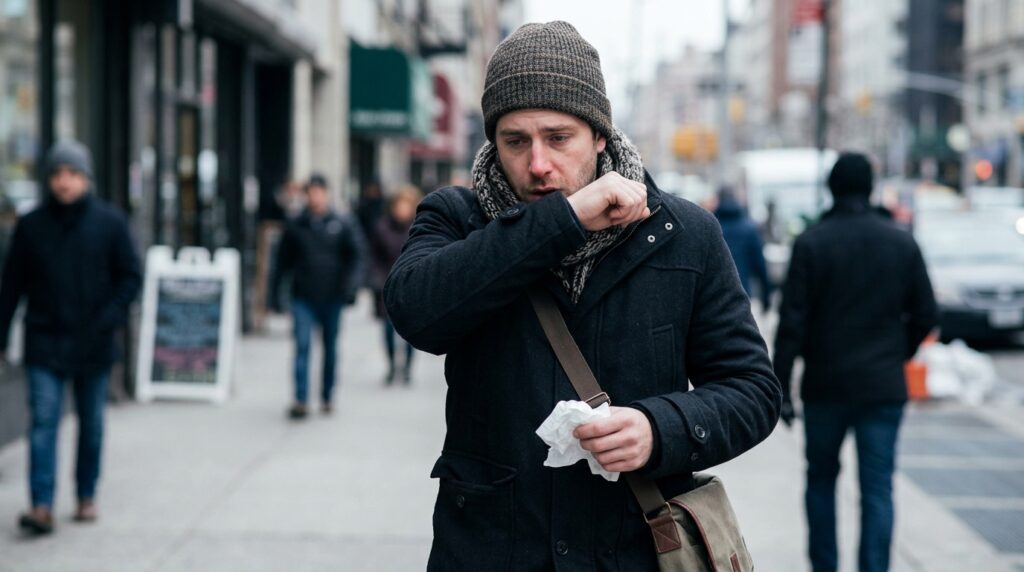
Walking pneumonia symptoms can be easy to overlook because the illness may develop gradually and often does not make a person feel sick enough to stay in bed. Despite the name, walking pneumonia is still a form of pneumonia and can affect the lungs. People may continue working or doing daily activities while experiencing a persistent cough, tiredness, fever, or chest discomfort.
Walking pneumonia is commonly associated with infections caused by Mycoplasma pneumoniae, although the term can sometimes be used more broadly for milder pneumonia. Because the symptoms can resemble a cold, flu, or other respiratory infection, knowing the warning signs is important. For comparison, RSV symptoms in adults can also include cough, fatigue, fever, and breathing problems.
What Is Walking Pneumonia?
Walking pneumonia is an informal term generally used to describe a relatively mild form of pneumonia that may not require bed rest or hospitalization.
The infection causes inflammation in the lungs, but symptoms may be less dramatic than those associated with severe pneumonia.
A person with walking pneumonia may still be able to:
- Go to work
- Attend school
- Perform household activities
- Walk around normally
That does not mean the infection should be ignored. Pneumonia can worsen, particularly in older adults, young children, and people with certain underlying health conditions.
What Are the Common Walking Pneumonia Symptoms?
The symptoms can develop gradually rather than appearing suddenly.
Common signs include:
- Persistent cough
- Fatigue
- Low-grade fever
- Chills
- Headache
- Sore throat
- Chest discomfort
- Shortness of breath
- Sweating
- Reduced appetite
The cough is often one of the most noticeable symptoms.
1. Persistent Cough
A cough that continues for several days or gradually becomes worse is a common sign.
The cough may initially be dry and irritating. Some people eventually produce mucus.
Unlike an occasional cough caused by throat irritation, a pneumonia-related cough can persist and may be accompanied by fatigue, fever, or chest discomfort.
A cough alone does not establish that you have pneumonia because many respiratory infections can cause prolonged coughing.
2. Fatigue
Feeling unusually tired is another common symptom.
You may still be able to complete your normal activities, but everyday tasks may require more effort than usual.
Fatigue can occur because the immune system is fighting an infection and because persistent coughing can interfere with sleep.
If you are recovering from a respiratory illness and experiencing significant fluid loss, dehydration can add to feelings of weakness. Recognizing the signs of dehydration can help you identify another potential contributor to fatigue.
3. Low-Grade Fever
Walking pneumonia may cause a mild or moderate fever.
You may also experience:
- Chills
- Sweating
- Feeling warm or cold
- General weakness
A high fever is more concerning, particularly when it occurs with worsening respiratory symptoms.
Not everyone with walking pneumonia develops a fever.
4. Headache
Headaches can occur during respiratory infections.
They may be related to:
- Fever
- Inflammation
- Coughing
- Poor sleep
- Dehydration
Headache is not specific to pneumonia, so it needs to be considered alongside other symptoms.
5. Sore Throat
A sore or irritated throat may occur early in the illness.
It can sometimes make walking pneumonia appear similar to a cold or another upper respiratory infection.
However, a persistent cough that follows or accompanies a sore throat may indicate that the infection is affecting more than the upper airways.
6. Chest Discomfort
Some people develop chest discomfort from persistent coughing or inflammation in the respiratory system.
The discomfort may become more noticeable when:
- Coughing
- Taking a deep breath
- Moving around
Severe or persistent chest pain should not automatically be attributed to pneumonia and requires medical evaluation.
7. Shortness of Breath
Mild pneumonia can sometimes cause shortness of breath, particularly during physical activity.
You may notice that:
- Walking makes you breathe harder than usual
- Stairs become more difficult
- Normal exercise feels unusually tiring
New or worsening difficulty breathing is an important warning sign and should be evaluated promptly.
8. Sweating and Chills
Infection can affect the body's temperature regulation.
You may experience periods of:
- Chills
- Sweating
- Feeling hot
- Feeling cold
These symptoms can occur with many infections and are not enough to distinguish pneumonia from influenza or another respiratory illness.
Walking Pneumonia vs. Regular Pneumonia
The biggest difference is usually the severity of symptoms rather than the underlying seriousness of the diagnosis.
Walking pneumonia may cause:
- Gradual symptoms
- Persistent cough
- Mild fever
- Moderate fatigue
- Relatively mild breathing problems
More severe pneumonia may cause:
- High fever
- Significant shortness of breath
- Severe weakness
- Chest pain
- Confusion
- Low oxygen levels
Importantly, a person can have pneumonia without appearing extremely ill.
Walking Pneumonia vs. a Cold
A common cold usually causes upper respiratory symptoms such as:
- Sneezing
- Runny nose
- Nasal congestion
- Mild sore throat
- Cough
Walking pneumonia is more likely to cause a persistent cough accompanied by fatigue, fever, chills, or breathing symptoms.
However, symptoms overlap considerably.
Walking Pneumonia vs. Flu
Influenza often starts suddenly.
Typical flu symptoms include:
- Fever
- Chills
- Significant body aches
- Headache
- Severe fatigue
- Cough
Walking pneumonia may develop more gradually, with a cough becoming increasingly persistent.
If you are trying to distinguish respiratory illnesses, reviewing flu symptoms vs cold symptoms can help explain why symptoms can be difficult to identify based on symptoms alone.
What Causes Walking Pneumonia?
Several infectious organisms can cause pneumonia.
Mycoplasma pneumoniae is a well-known cause of mild respiratory infections and walking pneumonia, particularly in school-age children, teenagers, and young adults.
Other bacteria and viruses can also cause pneumonia.
The specific cause matters because treatment depends on the organism responsible.
Is Walking Pneumonia Contagious?
Some causes of walking pneumonia can spread from person to person.
Mycoplasma pneumoniae, for example, spreads through respiratory droplets and close contact.
Transmission may occur when an infected person:
- Coughs
- Sneezes
- Talks closely with others
- Spends prolonged time around people indoors
Good hand hygiene, covering coughs, and avoiding close contact while sick can reduce transmission.
How Long Does Walking Pneumonia Last?
Recovery varies depending on the cause and the person's overall health.
Some people begin improving within days of appropriate treatment, while the cough and fatigue can persist for several weeks.
A lingering cough does not necessarily mean the infection is still worsening.
However, symptoms that become progressively worse rather than gradually improving should be evaluated.
How Is Walking Pneumonia Diagnosed?
A healthcare professional may consider:
- Your symptoms
- How long you have been sick
- Your medical history
- Lung sounds
- Breathing rate
- Oxygen level
A chest X-ray may sometimes be used to look for pneumonia.
Additional tests may be recommended depending on the severity of illness and suspected cause.
How Is Walking Pneumonia Treated?
Treatment depends on whether the infection is bacterial, viral, or caused by another organism.
Bacterial pneumonia may require prescription antibiotics.
Viral pneumonia generally does not improve with antibiotics, although specific antiviral treatment may be appropriate for certain viral infections.
Supportive care may include:
- Rest
- Adequate fluids
- Nutritious foods
- Appropriate medication for fever or discomfort
- Avoiding smoking and secondhand smoke
Do not take antibiotics left over from another illness.
Can Walking Pneumonia Go Away Without Treatment?
Some mild respiratory infections may improve without prescription treatment, but suspected pneumonia should not simply be ignored.
A healthcare professional can determine whether testing or treatment is necessary.
This is particularly important for older adults, young children, and people with chronic heart or lung conditions.
Who Is at Higher Risk of Complications?
Pneumonia can be more serious for:
- Adults 65 and older
- Young children
- People with asthma
- People with chronic lung disease
- People with heart disease
- People with weakened immune systems
- People with certain chronic medical conditions
Higher-risk individuals should contact a healthcare professional sooner when pneumonia symptoms develop.
When Should You See a Doctor?
Seek medical advice if you have:
- A persistent or worsening cough
- Fever that continues
- Shortness of breath
- Chest discomfort
- Significant fatigue
- Wheezing
- Symptoms that improve and then become worse
A persistent cough does not necessarily mean pneumonia, but it deserves evaluation when accompanied by other concerning symptoms.
When Is Walking Pneumonia an Emergency?
Seek emergency medical care for:
- Severe difficulty breathing
- Blue or gray lips or face
- Severe chest pain
- Confusion
- Fainting
- Severe weakness
- Inability to stay awake
- Signs of severe dehydration
These symptoms may indicate that the infection is affecting breathing or other important body functions.
Conclusion
The most common walking pneumonia symptoms include a persistent cough, fatigue, low-grade fever, chills, headache, sore throat, chest discomfort, and sometimes shortness of breath. Unlike severe pneumonia, walking pneumonia may develop gradually and allow a person to continue normal activities, which can make it easy to underestimate.
Because these symptoms overlap with colds, influenza, RSV, and other respiratory infections, symptoms alone cannot confirm pneumonia. A healthcare professional may need to examine your lungs, check oxygen levels, or order imaging or other tests.
If you are sick with a persistent cough and experiencing reduced fluid intake, fever, or weakness, recognizing the signs of dehydration is also important. Seek medical attention promptly if breathing becomes difficult, chest pain develops, or symptoms are rapidly worsening.
Frequently Asked Questions
What Are the First Walking Pneumonia Symptoms?
Early symptoms may include a gradually worsening cough, fatigue, sore throat, headache, and low-grade fever. Symptoms often develop more slowly than those of influenza.
Can You Have Walking Pneumonia Without a Fever?
Yes. Some people with walking pneumonia do not develop a noticeable fever, particularly when the illness is mild.
Is Walking Pneumonia Contagious?
Yes. Certain causes, including Mycoplasma pneumoniae, can spread through respiratory droplets and close contact.
How Long Does Walking Pneumonia Last?
Many people improve within days to weeks, but coughing and fatigue can persist for several weeks after the infection begins improving.
Can Walking Pneumonia Turn Into Regular Pneumonia?
Walking pneumonia is already a form of pneumonia. However, an infection that initially seems mild can become more severe in some people.
Can You Treat Walking Pneumonia at Home?
Some mild cases may be managed at home with medical guidance, rest, fluids, and appropriate symptom relief. Bacterial pneumonia may require prescription antibiotics.
Does Walking Pneumonia Cause a Dry Cough?
It can. A persistent dry cough is a common feature, although some people eventually produce mucus.
When Should I Worry About Walking Pneumonia?
Seek urgent medical attention if you develop severe difficulty breathing, significant chest pain, confusion, fainting, blue or gray lips, severe weakness, or an inability to stay awake.
