



Top 5 Easy At-Home Varicose Veins Remedies for Fast Relief


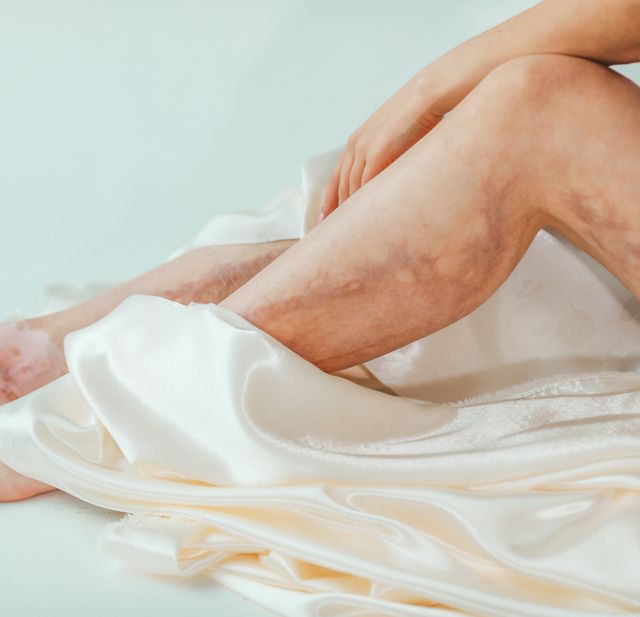
Varicose veins are more than an esthetics concern. Those bulging, twisting purple and blue veins under your skin can make your legs ache, feel heavy, burn, and swell. This happens when the tiny valves inside your veins get damaged, causing blood to collect in your legs rather than pumping efficiently back to your heart.
While severe cases may require medical procedures, mild to moderate varicose veins can often be managed effectively right from the comfort of your living room. If you are looking for relief without immediately heading to a clinic, you are in the right place. Here are the top 5 easy at-home varicose veins remedies to help improve your circulation and alleviate discomfort.
Elevate Your Legs Daily
One of the simplest and most effective at-home varicose veins remedies is elevating your legs. Gravity is both a friend and a foe to your circulatory system. When you stand or sit for long periods, gravity works against your veins, making it harder for blood to travel upward from your legs to your heart. This increases the pressure inside your leg veins, exacerbating varicose veins and causing swelling.
Elevating your legs reverses this gravitational pull, giving your veins a much-needed break and encouraging pooled blood to drain back toward your heart.
How to do it correctly:
- Find the right position: Lie down on a bed, sofa, or the floor and prop your legs up on pillows.
- Elevate high enough: For the best results, your legs should be elevated above the level of your heart.
- Be consistent: Try to elevate your legs for 15 to 20 minutes, 3 to 4 times a day. It is especially beneficial at the end of a long day or right before bedtime.
Wear Compression Stockings
Compression stockings are one of the est ways to manage varicose veins. Unlike regular socks, these specialized garments apply gentle, graduated pressure to your legs. The pressure is tightest at the ankle and gradually decreases as the stocking moves up the leg. This design actively squeezes the leg muscles and veins, pushing blood upward and preventing it from pooling and causing veins to stretch.
According to the Mayo Clinic, wearing compression stockings is often the first approach to treating varicose veins before moving on to other therapies.
Tips for choosing and using compression stockings:
- Pick the right level: Over-the-counter compression levels usually range from 15–20 mmHg (mild) to 20–30 mmHg (moderate). Start with a lighter compression if you are new to them.
- Put them on early: The best time to put on compression stockings is in the morning before you get out of bed, when your legs are least swollen.
- Replace them regularly: Replace them every 3 to 6 months to ensure they remain effective.
Get Moving with Low-Impact Exercise
When you move, your calf muscles contract, squeezing the veins and helping to pump blood back to your heart. A sedentary lifestyle—whether you are stuck at a desk all day or lounging on the couch—weakens this muscle pump, leading to blood pooling and worsening varicose veins.
Regular, low-impact exercise is one of the best long-term at-home varicose veins remedies because it improves overall cardiovascular health and strengthens the calf muscle pump without putting undue stress on your veins. The American Heart Association recommends at least 150 minutes of moderate-intensity aerobic activity per week.
Best exercises for varicose veins:
- Walking: The simplest way to get your calf muscles working and improve circulation without high impact.
- Swimming or water aerobics: The water pressure helps support the veins, while the movement boosts circulation.
- Cycling: Whether stationary or outdoors, cycling actively engages the calf muscles and promotes blood flow.
Note: Avoid high-impact exercises like heavy weightlifting or long-distance running, as they can increase abdominal pressure and strain the veins.
Apply Apple Cider Vinegar (ACV)
Apple cider vinegar is a popular natural remedy for a variety of ailments, and varicose veins are no exception. While scientific evidence is largely anecdotal, many people report significant relief from applying ACV to their skin. The theory is that ACV acts as an astringent, causing the skin and veins to contract, which can reduce the bulging appearance of varicose veins and improve blood flow. It also possesses anti-inflammatory properties that may help ease associated swelling and pain.
A review of natural treatments noted that topical application of ACV can improve vein elasticity, though more clinical studies are needed to fully validate these claims.
How to apply it:
- Dilute it: Never apply raw ACV directly to your skin, as its high acidity can cause irritation. Mix equal parts raw, unfiltered apple cider vinegar and warm water.
- Apply to the area: Soak a clean washcloth or cotton ball in the diluted mixture and apply it as a compress directly over the varicose veins.
- Let it sit: Leave the compress on for 20 to 30 minutes. You can also gently massage the area upward toward your heart while the compress is on.
- Repeat: Do this twice a day for several weeks to see noticeable improvements.
Optimize Your Diet and Hydration
What you eat directly impacts your vascular health. A poor diet can lead to weight gain, which puts extra pressure on your veins, and constipation, which increases abdominal pressure and restricts blood flow from the legs back to the heart. By tweaking your diet, you can naturally support your veins from the inside out.
Dietary changes to implement:
Eat more flavonoids: Flavonoids are powerful antioxidants that improve blood circulation and reduce inflammation in the blood vessels. Foods rich in flavonoids include berries, citrus fruits, dark chocolate, garlic, and onions.
- Boost your fiber: Constipation straining puts immense pressure on your pelvic and leg veins. Increase your intake of whole grains, beans, fruits, and vegetables to keep things moving smoothly.
- Up your potassium: Potassium reduces water retention in the body, which can decrease swelling in the legs. Bananas, sweet potatoes, avocados, and leafy greens are excellent sources.
- Stay hydrated: Drinking plenty of water thins the blood, making it easier to flow through your veins, and also helps prevent constipation.
When to See a Doctor
While these at-home varicose veins remedies are excellent for managing symptoms and slowing the progression of the condition, they cannot cure varicose veins or fix the damaged valves. It is important to consult a healthcare professional if your varicose veins are causing severe pain, if they suddenly become red and swollen, or if you develop skin ulcers or sores near the affected veins.
Frequently Asked Questions
Can varicose veins go away on their own with home remedies?
No, varicose veins cannot be completely cured or reversed with home remedies alone. Once a vein valve is damaged, it does not repair itself. However, home remedies can significantly reduce the pain, swelling, and appearance of the veins, and prevent them from getting worse.
What is the best sleeping position for varicose veins?
Sleeping on your left side can be beneficial, especially if you are pregnant, as it takes pressure off the large vein on the right side of your body (the vena cava). Additionally, placing a pillow under your legs while sleeping on your back helps elevate them, promoting better blood flow overnight.
Are essential oils effective for varicose veins?
Some essential oils, like cypress, rosemary, and peppermint, are believed to stimulate circulation and reduce inflammation. While they can provide a soothing effect and temporary relief from aching, they should always be heavily diluted with a carrier oil and should not replace primary treatments like compression therapy.
Conclusion
Dealing with varicose veins can be frustrating and uncomfortable, but you don't have to let them control your life. By incorporating these 5 easy at-home varicose veins remedies—elevating your legs, wearing compression stockings, staying active with low-impact exercise, applying apple cider vinegar, and optimizing your diet—you can take proactive steps to improve your vascular health, relieve pain, and get back to feeling your best.
