




Is Your Diet Causing Hair Loss? Top Nutritional Deficiencies to Watch For


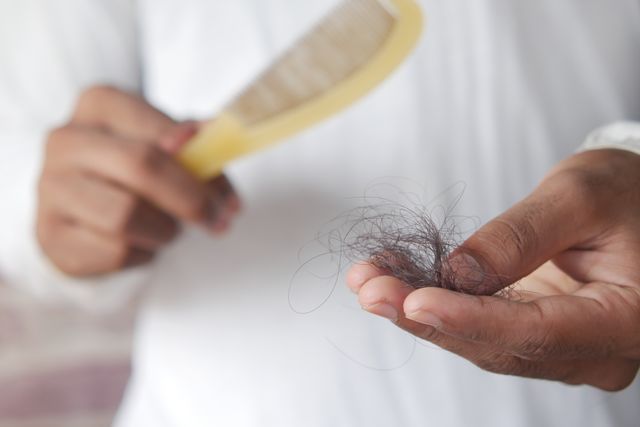
Hair loss is a distressing experience that affects millions of people worldwide. While genetics and aging are the most common culprits, what you put on your plate plays a far more significant role than you might realize. Your hair is often referred to as a "barometer of health" because it is highly sensitive to changes in your body. When your body lacks essential nutrients, it prioritizes vital organs over hair growth, leading to shedding, thinning, and breakage.
This condition is often medically referred to as Telogen Effluvium, a temporary form of hair loss caused by a shock to the system—including nutritional deficiencies. The good news is that diet-related hair loss is often reversible. By identifying the missing links in your nutrition, you can restore your strands and regain your confidence.
Here are the top nutritional deficiencies that can trigger hair loss and how to fix them.
Iron Deficiency (Anemia)
Iron is arguably the most critical mineral for hair health. It is responsible for carrying oxygen to your cells via hemoglobin in your red blood cells. When your iron levels drop (a condition known as anemia), your body enters a "survival mode." It rations the available oxygen to support essential functions like the heart and brain, leaving your hair follicles starved of the oxygen they need to grow strong, healthy strands.
Women are particularly susceptible to iron deficiency due to menstruation and pregnancy. If you notice your hair becoming thinner, especially at the crown, or if your scalp feels more visible than usual, low iron could be the culprit.
How to Fix It: Incorporate iron-rich foods into your diet. There are two types of iron: heme iron (found in animal products) and non-heme iron (found in plants). Heme iron is absorbed more easily.
Sources
- Red meat
- Liver
- Spinach
- Lentils
- Fortified cereals
- Tofu
Tip: Pair plant-based iron sources with Vitamin C (like lemon juice or strawberries) to boost absorption.
Learn more about the link between iron deficiency and hair loss from the American Academy of Dermatology.
Vitamin D Deficiency
Vitamin D is not just a vitamin; it is a hormone that plays a pivotal role in the hair growth cycle. Research suggests that Vitamin D helps create new hair follicles—the tiny pores where new hair grows. When you lack sufficient Vitamin D, this process is disrupted, and existing follicles may become dormant, leading to thinning and shedding.
Studies have found a strong correlation between alopecia areata (an autoimmune condition causing patchy hair loss) and low levels of Vitamin D. Because the body primarily produces Vitamin D through sun exposure, individuals living in northern climates or those who spend most of their time indoors are at high risk.
How to Fix It: Get your levels checked with a simple blood test.
Sources
- Fatty fish (salmon, mackerel)
- Cod liver oil
- Fortified foods like milk and orange juice.
Tip: Sensible sun exposure (10–15 minutes a few times a week) can also help boost levels naturally.
Read the research on Vitamin D and hair follicle cycling via the National Institutes of Health.
Zinc Deficiency
Zinc is a trace mineral that plays a vital role in hair tissue growth and repair. It also helps keep the oil glands around the follicles working properly. A deficiency in zinc can lead to the deterioration of the protein structure that makes up the hair shaft, causing the hair to shed and break easily.
Zinc deficiency is often overlooked because the symptoms are subtle, but hair loss is a primary indicator. Interestingly, while too little zinc causes hair loss, consuming too much can have the same effect. Balance is key.
How to Fix It: Focus on whole food sources rather than high-dose supplements unless prescribed by a doctor.
Sources
- Oysters (the highest source)
- Beef
- Pumpkin seeds
- Chickpeas
- Cashews
B-Vitamin Complex (Specifically Biotin/B7)
Biotin has become a buzzword in the beauty industry, and for good reason. It is one of the B-complex vitamins that helps the body convert food into energy. Biotin is essential for the production of keratin, the protein that makes up hair, skin, and nails.
While true biotin deficiency is rare (because your gut bacteria produce some of it), a mild lack can still result in brittle hair and hair loss. However, it is important to note that Biotin works best in tandem with other B vitamins. A deficiency in B12 (common in vegetarians and vegans) can also lead to premature greying and thinning because it affects DNA synthesis and red blood cell formation.
How to Fix It: Eat a varied diet rich in B vitamins.
Sources
- Whole grains
- Almonds
- Meat
- Fish
- Seafood,
- Dark leafy greens
- Eggs
Note: Egg whites contain a protein called avidin that binds to biotin and prevents absorption, so always cook eggs to neutralize avidin.
Explore the benefits of B-Vitamins for skin and health with Healthline.
Protein Deficiency
Hair consists of a protein known as keratin. If your diet lacks sufficient protein, your body will stop supplying protein to hair growth to conserve it for more critical functions. This typically happens about 2–3 months after a drop in protein intake.
This is common among strict vegans who do not plan their meals carefully, or individuals who have undergone extreme crash diets. The hair becomes weak, dry, and eventually falls out.
How to Fix It: Ensure you are eating enough high-quality protein at every meal.
Sources
- Chicken
- Turkey
- Eggs
- Greek yogurt,
- Lentils
- Quinoa
- Tempeh
Essential Fatty Acids (Omega-3s)
Omega-3 fatty acids are healthy fats that your body cannot produce on its own. They are found in the cell membranes of your scalp and provide the natural oils that keep your scalp and hair hydrated. A deficiency in Omega-3s can lead to a dry scalp, dull hair, and increased shedding due to inflammation.
How to Fix It:
Sources
- Fatty fish (salmon, sardines)
- Chia seeds
- Flaxseeds
- Walnuts
- Avocados
How to Diagnosis and Treatment
If you suspect a nutritional deficiency is causing your hair loss, do not start popping supplements blindly. Over-supplementation can lead to toxicity and worsen hair loss (specifically with Vitamin A and Selenium).
- Get Blood Work: Visit a dermatologist or primary care physician. Ask for a panel that checks Ferritin (iron stores), Vitamin D, B12, Zinc, and Thyroid function.
- Dietary First: Try to correct the deficiency through whole foods. Nutrients are absorbed better through food than through pills.
- Patience: Hair growth is a slow process. It takes roughly 3–6 months of consistent nutritional correction to see significant regrowth.
Frequently Asked Questions (FAQs)
Can hair loss from nutritional deficiencies grow back?
Yes, in most cases. If the hair loss is caused solely by a deficiency and there is no permanent scarring of the follicle, hair should regrow once the nutrient levels are restored to normal.
Does taking biotin supplements actually work if I don't have a deficiency?
Research is mixed. For people with healthy biotin levels, taking extra biotin usually shows little to no improvement. It is most effective for those who have an actual deficiency or a condition that impairs absorption.
How long after taking iron supplements will I see hair regrowth?
It can take several months. You usually need to take iron supp
Hair loss is a distressing experience that affects millions of people worldwide. While genetics and aging are the most common culprits, what you put on your plate plays a far more significant role than you might realize. Your hair is often referred to as a "barometer of health" because it is highly sensitive to changes in your body. When your body lacks essential nutrients, it prioritizes vital organs over hair growth, leading to shedding, thinning, and breakage.
This condition is often medically referred to as Telogen Effluvium, a temporary form of hair loss caused by a shock to the system—including nutritional deficiencies. The good news is that diet-related hair loss is often reversible. By identifying the missing links in your nutrition, you can restore your strands and regain your confidence.
Here are the top nutritional deficiencies that can trigger hair loss and how to fix them.
Iron Deficiency (Anemia)
Iron is arguably the most critical mineral for hair health. It is responsible for carrying oxygen to your cells via hemoglobin in your red blood cells. When your iron levels drop (a condition known as anemia), your body enters a "survival mode." It rations the available oxygen to support essential functions like the heart and brain, leaving your hair follicles starved of the oxygen they need to grow strong, healthy strands.
Women are particularly susceptible to iron deficiency due to menstruation and pregnancy. If you notice your hair becoming thinner, especially at the crown, or if your scalp feels more visible than usual, low iron could be the culprit.
How to Fix It: Incorporate iron-rich foods into your diet. There are two types of iron: heme iron (found in animal products) and non-heme iron (found in plants). Heme iron is absorbed more easily.
Sources
- Red meat
- Liver
- Spinach
- Lentils
- Fortified cereals
- Tofu
Tip: Pair plant-based iron sources with Vitamin C (like lemon juice or strawberries) to boost absorption.
Learn more about the link between iron deficiency and hair loss from the American Academy of Dermatology.
Vitamin D Deficiency
Vitamin D is not just a vitamin; it is a hormone that plays a pivotal role in the hair growth cycle. Research suggests that Vitamin D helps create new hair follicles—the tiny pores where new hair grows. When you lack sufficient Vitamin D, this process is disrupted, and existing follicles may become dormant, leading to thinning and shedding.
Studies have found a strong correlation between alopecia areata (an autoimmune condition causing patchy hair loss) and low levels of Vitamin D. Because the body primarily produces Vitamin D through sun exposure, individuals living in northern climates or those who spend most of their time indoors are at high risk.
How to Fix It: Get your levels checked with a simple blood test.
Sources
- Fatty fish (salmon, mackerel)
- Cod liver oil
- Fortified foods like milk and orange juice.
Tip: Sensible sun exposure (10–15 minutes a few times a week) can also help boost levels naturally.
Read the research on Vitamin D and hair follicle cycling via the National Institutes of Health.
Zinc Deficiency
Zinc is a trace mineral that plays a vital role in hair tissue growth and repair. It also helps keep the oil glands around the follicles working properly. A deficiency in zinc can lead to the deterioration of the protein structure that makes up the hair shaft, causing the hair to shed and break easily.
Zinc deficiency is often overlooked because the symptoms are subtle, but hair loss is a primary indicator. Interestingly, while too little zinc causes hair loss, consuming too much can have the same effect. Balance is key.
How to Fix It: Focus on whole food sources rather than high-dose supplements unless prescribed by a doctor.
Sources
- Oysters (the highest source)
- Beef
- Pumpkin seeds
- Chickpeas
- Cashews
B-Vitamin Complex (Specifically Biotin/B7)
Biotin has become a buzzword in the beauty industry, and for good reason. It is one of the B-complex vitamins that helps the body convert food into energy. Biotin is essential for the production of keratin, the protein that makes up hair, skin, and nails.
While true biotin deficiency is rare (because your gut bacteria produce some of it), a mild lack can still result in brittle hair and hair loss. However, it is important to note that Biotin works best in tandem with other B vitamins. A deficiency in B12 (common in vegetarians and vegans) can also lead to premature greying and thinning because it affects DNA synthesis and red blood cell formation.
How to Fix It: Eat a varied diet rich in B vitamins.
Sources
- Whole grains
- Almonds
- Meat
- Fish
- Seafood,
- Dark leafy greens
- Eggs
Note: Egg whites contain a protein called avidin that binds to biotin and prevents absorption, so always cook eggs to neutralize avidin.
Explore the benefits of B-Vitamins for skin and health with Healthline.
Protein Deficiency
Hair consists of a protein known as keratin. If your diet lacks sufficient protein, your body will stop supplying protein to hair growth to conserve it for more critical functions. This typically happens about 2–3 months after a drop in protein intake.
This is common among strict vegans who do not plan their meals carefully, or individuals who have undergone extreme crash diets. The hair becomes weak, dry, and eventually falls out.
How to Fix It: Ensure you are eating enough high-quality protein at every meal.
Sources
- Chicken
- Turkey
- Eggs
- Greek yogurt,
- Lentils
- Quinoa
- Tempeh
Essential Fatty Acids (Omega-3s)
Omega-3 fatty acids are healthy fats that your body cannot produce on its own. They are found in the cell membranes of your scalp and provide the natural oils that keep your scalp and hair hydrated. A deficiency in Omega-3s can lead to a dry scalp, dull hair, and increased shedding due to inflammation.
How to Fix It:
Sources
- Fatty fish (salmon, sardines)
- Chia seeds
- Flaxseeds
- Walnuts
- Avocados
How to Diagnosis and Treatment
If you suspect a nutritional deficiency is causing your hair loss, do not start popping supplements blindly. Over-supplementation can lead to toxicity and worsen hair loss (specifically with Vitamin A and Selenium).
- Get Blood Work: Visit a dermatologist or primary care physician. Ask for a panel that checks Ferritin (iron stores), Vitamin D, B12, Zinc, and Thyroid function.
- Dietary First: Try to correct the deficiency through whole foods. Nutrients are absorbed better through food than through pills.
- Patience: Hair growth is a slow process. It takes roughly 3–6 months of consistent nutritional correction to see significant regrowth.
Frequently Asked Questions (FAQs)
Can hair loss from nutritional deficiencies grow back?
Yes, in most cases. If the hair loss is caused solely by a deficiency and there is no permanent scarring of the follicle, hair should regrow once the nutrient levels are restored to normal.
Does taking biotin supplements actually work if I don't have a deficiency?
Research is mixed. For people with healthy biotin levels, taking extra biotin usually shows little to no improvement. It is most effective for those who have an actual deficiency or a condition that impairs absorption.
How long after taking iron supplements will I see hair regrowth?
It can take several months. You usually need to take iron supplements for at least 3 to 6 months to replenish your iron stores, and then another few months for the hair follicles to resume the growth phase.
Can crash diets cause permanent hair loss?
Crash diets can trigger Telogen Effluvium, which is usually temporary. However, if severe caloric restriction is maintained for a long time, it can cause permanent damage to the hair follicles. It is best to lose weight gradually with a balanced diet.
lements for at least 3 to 6 months to replenish your iron stores, and then another few months for the hair follicles to resume the growth phase.
Can crash diets cause permanent hair loss?
Crash diets can trigger Telogen Effluvium, which is usually temporary. However, if severe caloric restriction is maintained for a long time, it can cause permanent damage to the hair follicles. It is best to lose weight gradually with a balanced diet.
