




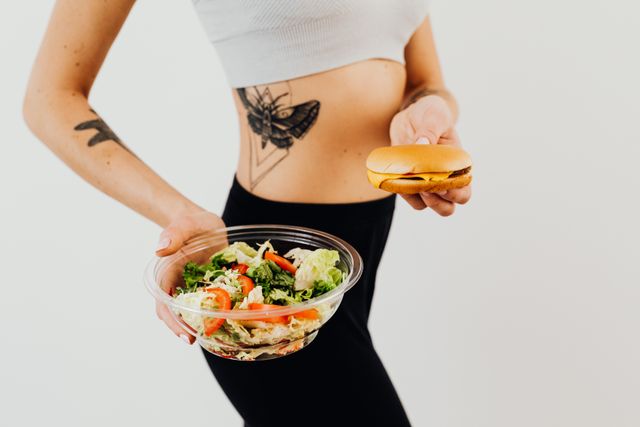
Processed Food Swaps: Easy Healthy Alternatives


The average person consumes approximately 60% of their daily calories from processed foods, driving epidemics of obesity, type 2 diabetes, and chronic disease. Most people recognize that reducing processed foods would benefit their health, yet feel overwhelmed by the challenge of changing deeply ingrained eating habits. The good news is that eliminating processed foods does not require perfection or complete dietary overhauls.
Strategic food swaps replacing processed foods with whole alternatives gradually transform your diet, your health, and your family's nutritional foundation. This comprehensive guide reveals practical alternatives to processed foods and actionable strategies for sustainable dietary change.
Why Reducing Processed Foods Matters
Processed foods contain excessive amounts of added sugars, unhealthy fats, sodium, and chemical additives, while lacking the fiber, vitamins, minerals, and phytonutrients abundant in whole foods. Consuming processed foods regularly impairs metabolic function, triggers systemic inflammation, and disrupts your gut microbiome, the trillions of bacteria supporting immunity and health. Furthermore, processed foods dysregulate appetite hormones, causing overconsumption and weight gain despite adequate calorie intake.
Beyond individual health, reducing processed foods in your diet supports environmental sustainability and lowers your contribution to the ecological damage caused by industrial agriculture. Additionally, avoiding processed foods typically reduces grocery costs when you prepare meals at home rather than purchasing pre-made convenience items.
Understanding Ultra-Processed Foods
Recognizing which foods qualify as ultra-processed versus minimally processed proves essential for making informed swaps. Ultra-processed foods undergo extensive industrial transformation, including hydrogenation, high-temperature processing, extrusion, and the addition of dozens of chemical additives. These foods typically contain ingredients you cannot identify or pronounce.
Processed foods include items with added sugar, sodium, or oil, such as flavored yogurt, whole-grain breads with added sugar, or canned vegetables with added sodium. These fall between minimally processed foods like frozen vegetables and ultra-processed convenience foods. Learning to distinguish between these categories enables strategic choices, reducing processed foods while maintaining convenience where beneficial.
Breakfast Swaps: Starting Your Day Right
Cereal to Oatmeal
Swap commercial breakfast cereals, typically loaded with added sugars and artificial ingredients, for steel-cut or rolled oats topped with fresh fruit, nuts, and natural nut butter. This single swap eliminates substantial processed foods from your diet while providing sustained energy and digestive support through whole-grain fiber.
Flavored Yogurt to Plain Yogurt
Flavored yogurts contain as much added sugar as ice cream. Replace flavored yogurts with plain Greek yogurt, adding your own berries, granola, and honey for flavor control and to reduce processed foods. This swap saves approximately 15-20 grams of added sugar per serving daily.
Processed Breakfast Meats to Eggs
Bacon, sausage, and ham contain nitrates and excessive sodium. Swap these processed foods for whole eggs, which provide a complete protein and choline, which supports brain health.
Lunch and Snack Swaps: Convenience Without Compromise
Packaged Sandwiches to Homemade Options
Replace pre-made sandwiches and processed deli meats with whole-grain bread, rotisserie chicken, and fresh vegetables. This eliminates multiple categories of processed foods while providing superior nutrition and cost savings.
Protein Bars to Nuts and Fruit
Protein bars often contain processed foods, including sweeteners, binders, and questionable oils. Swap for almonds, cashews, fresh fruit, and homemade energy balls made from dates, coconut, and nuts.
Chips and Processed Snacks to Vegetables and Hummus
Eliminate processed foods like potato chips, crackers, and pretzels by replacing them with carrot sticks, cucumber slices, bell peppers, and homemade hummus. These swaps reduce processed foods while providing satisfying crunch and superior nutrition.
Dinner Swaps: Transforming Your Main Meals
Boxed Pasta Dishes to Whole Grain Pasta
Replace boxed mac and cheese and pasta mixtures with whole-grain pasta, fresh vegetables, and simple sauces made with tomatoes, garlic, and olive oil. This transformation eliminates processed foods and reduces sodium to 1/10 of the amount in packaged alternatives.
Frozen Dinners to Sheet Pan Meals
Swap ultra-processed frozen dinners for sheet-pan meals that combine lean protein, vegetables, and healthy fats. These meals require minimal preparation, eliminate processed foods, and provide complete nutrition.
Canned Soups to Homemade Broths
Canned soups contain excessive sodium and preservatives. Create processed foods-free alternatives by making large batches of vegetable or bone broth, freezing portions, and adding fresh ingredients during meal preparation.
Beverage Swaps: Eliminating Liquid Processed Foods
Soda to Sparkling Water
Replace sugar-laden soda and diet sodas containing artificial sweeteners with plain or flavored sparkling water. This eliminates processed foods while maintaining the satisfying carbonation.
Juice to Whole Fruit
Fruit juice removes fiber while concentrating sugar, making it essentially a processed food. Swap juice for whole fruits, which provide fiber, satisfaction, and superior nutrition.
Flavored Coffee Drinks to Homemade Options
Commercial coffee shop drinks contain processed foods, including syrups, artificial flavorings, and added sugars. Make your own flavored coffee using whole milk, cinnamon, vanilla, or natural cocoa powder.
Making the Transition Sustainable
Reducing processed foods sustainably requires gradual change to prevent overwhelm and dietary rebellion. Start by identifying your three most-consumed processed foods, then research one swap for each. Implement these three swaps consistently for two weeks before adding additional changes.
Stock your kitchen with whole food staples: frozen vegetables, canned beans, brown rice, oats, nuts, seeds, and herbs. These foundations enable quick meal preparation without relying on processed foods.
Taking Action on Processed Foods
Begin by auditing your current diet, identifying which processed foods you consume most frequently. Select one meal category, breakfast, lunch, snacks, or dinner, and implement one swap from this guide. Experience how reduced processed foods affect your energy, focus, digestion, and overall wellbeing. Most people report noticeable improvements within 2-3 weeks. After successfully integrating your first swap, add changes gradually. Over several months, your diet will fundamentally transform as processed foods naturally diminish in your daily intake.