




Mold Toxicity: Symptoms, Causes, Prevention & Treatment


Mold toxicity affects millions of people who remain unaware that their symptoms stem from fungal exposure in their living environments. Many individuals experience chronic health problems attributed to other causes, never considering that mold toxicity might be the underlying culprit. These microscopic fungi release dangerous mycotoxins, toxic compounds causing serious health consequences ranging from mild respiratory irritation to severe immunological damage.
Understanding mold toxicity, recognizing symptoms, and implementing prevention strategies help protect your family's health and prevent costly property damage. This comprehensive guide reveals what mold toxicity is, how exposure affects health, and what steps you can take to create a safer home environment.
What Is Mold Toxicity?
Mold toxicity results from exposure to toxic compounds released by certain mold species. Unlike simple allergic reactions to mold spores, true mold toxicity involves exposure to mycotoxins, chemical substances produced by specific mold types, including Stachybotrys, Aspergillus, and Penicillium species. These mycotoxins accumulate in mold and can persist even after the mold is dead, creating ongoing exposure risks.
Mold toxicity differs fundamentally from mold allergies. Allergic reactions occur when the immune system overreacts to mold spores; anyone can theoretically develop mold toxicity from sufficient exposure, regardless of allergic sensitivity. This distinction is critical because standard allergy treatments often fail to address symptoms of mold toxicity.
Health Effects of Mold Toxicity
Acute mold toxicity exposure causes immediate symptoms, including respiratory irritation, coughing, wheezing, and throat inflammation. Many people experience these symptoms during water damage incidents or basement flooding without recognizing mold toxicity as the cause.
Chronic mold toxicity exposure creates more insidious health problems. Mycotoxins suppress immune function, impairing your body's ability to fight infections. Chronically exposed individuals experience frequent colds, persistent infections, and delayed recovery from illness. Furthermore, mold toxicity triggers inflammatory responses affecting joints, muscles, and connective tissue, causing widespread pain resembling fibromyalgia.
Neurological effects of mold toxicity include brain fog, difficulty concentrating, memory problems, and mood changes. Some individuals report personality shifts, depression, and anxiety coinciding with mold toxicity exposure. Additionally, mold toxicity impairs mitochondrial function, the powerhouses of your cells, causing overwhelming fatigue disproportionate to activity levels.
Recognizing Mold Toxicity Symptoms
Mold toxicity symptoms often remain unrecognized because they mimic numerous other conditions. Persistent fatigue unresponsive to rest represents one hallmark sign. Chronic headaches, particularly those that worsen in certain locations, may indicate exposure to mold toxicity. Additionally, sinus problems, nasal congestion, and respiratory issues that do not respond to standard treatment warrant investigation for mold toxicity.
Cognitive symptoms, including brain fog, difficulty concentrating, and memory problems, frequently accompany mold toxicity exposure. Mood disturbances, anxiety, and depression may emerge or worsen with mold toxicity. Joint and muscle pain, particularly affecting multiple areas, sometimes results from mold toxicity rather than autoimmune disease.
Gastrointestinal symptoms, including nausea, loss of appetite, and abdominal discomfort, can reflect exposure to mold toxicity. Skin issues, including rashes, hives, and unusual reactions, may also signal mold toxicity.
Identifying and Locating Mold in Your Home
Water intrusion creates ideal conditions for mold growth. Check bathrooms for mold around tubs, showers, and sink areas. Examine basements and crawl spaces after heavy rain or flooding. Inspect attics for roof leaks or ventilation problems that promote moisture accumulation. Look in HVAC systems and air ducts where mold commonly colonizes.
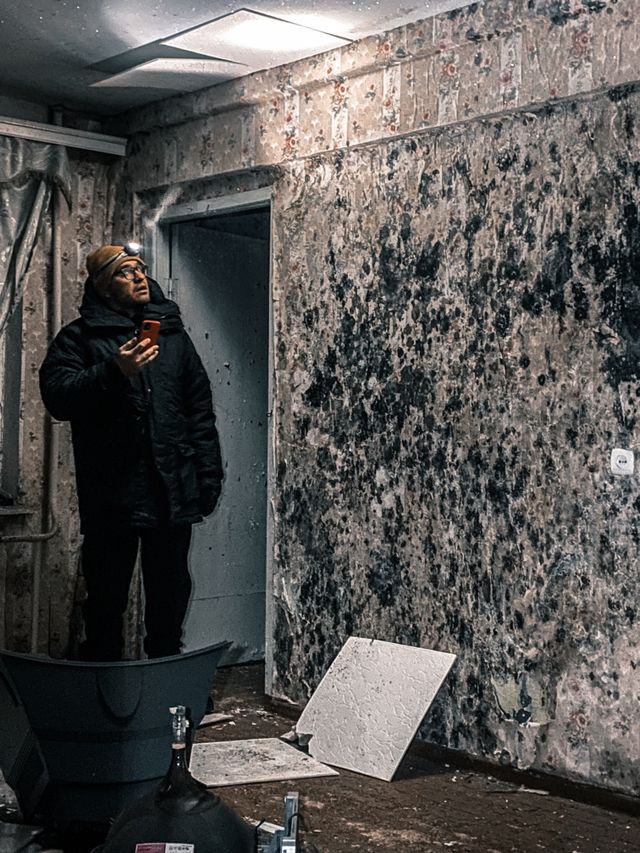
Visible black, green, or brown spots indicate the presence of mold. Musty odors strongly suggest mold toxicity in your environment, even if visible colonies remain hidden. Professional mold inspection using specialized equipment can identify hidden mold within walls and structural components.
Preventing and Remediating Mold Toxicity
Prevention remains superior to remediation. Maintain humidity between 30% and 50% in moist areas using dehumidifiers. Fix water leaks immediately, addressing both visible damage and underlying moisture problems. Ensure proper ventilation in bathrooms and kitchens to remove excess moisture.
Clean visible mold with detergent and HEPA-filtered vacuums. For extensive mold toxicity situations involving large areas or toxic species, professional remediation becomes necessary. Professionals contain affected areas, remove contaminated materials, and implement proper disposal protocols to prevent the spread of mycotoxins.
When Professional Help Becomes Necessary
Signs requiring professional mold remediation include extensive mold coverage (over 10 square feet), mold in HVAC systems, previous water damage with musty odors, or mold visible in structural components. Individuals with compromised immune systems, chronic illness, or existing respiratory conditions face heightened mold toxicity risks requiring aggressive professional remediation.
Supporting Your Body After Mold Toxicity Exposure
Recovery from mold toxicity exposure requires removing exposure sources while supporting immune system recovery. Consider working with functional medicine practitioners specializing in mold toxicity assessment and treatment. Certain binders and supplements support mycotoxin elimination from your body, though evidence remains mixed, and supplementation requires professional guidance.
Taking Action on Mold Toxicity
If experiencing unexplained symptoms potentially related to mold toxicity, first investigate your environment for mold presence. Have water intrusion sources professionally evaluated and repaired. Consider a professional mold inspection if mold toxicity seems likely, but visual evidence is absent. Consult healthcare providers, particularly those familiar with mold toxicity, to assess whether environmental exposure contributes to your health problems. Your family's health depends on addressing mold toxicity before it causes serious, chronic health consequences.