




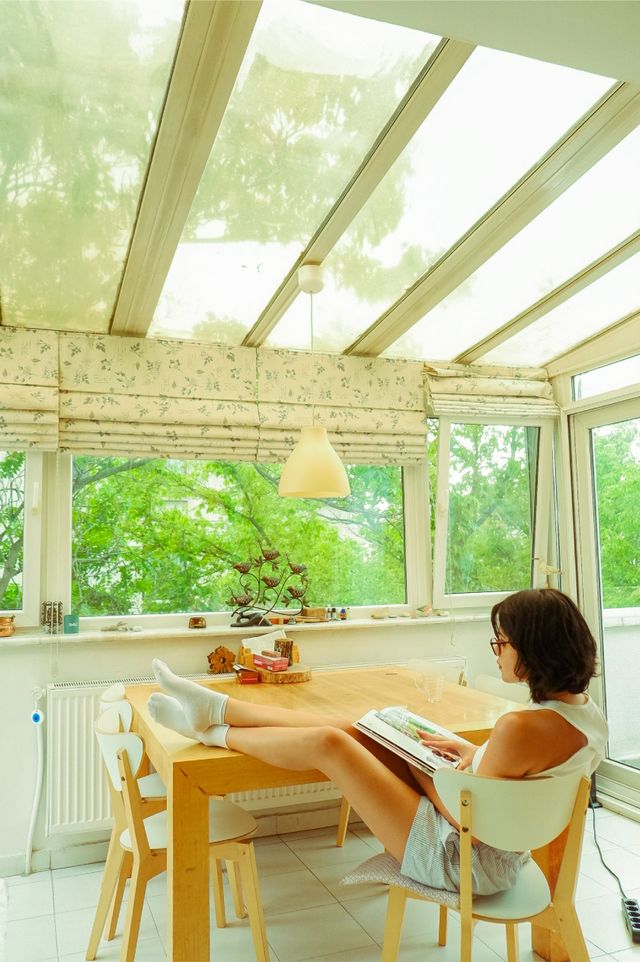
How to Create a Peaceful Home Environment That Supports Rest and Reduces Stress


In today’s hyper-connected, fast-paced world, our homes should be more than just a place to sleep and store our belongings—they should be a sanctuary. If you walk through your front door and feel a lingering sense of tension rather than a sigh of relief, your living space may be working against you. Learning how to create a peaceful home environment is essential for your mental and physical well-being. By making intentional design and lifestyle choices, you can transform your space into a haven that actively reduces stress and supports deep, restorative rest. Here is a step-by-step guide to cultivating tranquility in your home.
1. Declutter Your Physical Space to Clear Your Mind
There is a profound, scientifically backed connection between physical clutter and mental stress. Visual noise—like piles of laundry, stacked mail, or overcrowded shelves—overloads your brain, making it difficult to relax. In fact, research highlighted by Psychology Today shows that clutter competes for your attention, resulting in increased fatigue and decreased ability to focus.
How to implement it:
- Start small: Tackle one drawer, one countertop, or one room at a time to avoid feeling overwhelmed.
- Adopt the "one in, one out" rule: For every new item you bring into your home, donate or discard an old one.
- Keep surfaces clear: Make a habit of clearing off kitchen counters, coffee tables, and your nightstand every evening.
2. Optimize Your Lighting for Relaxation
Lighting dictates your circadian rhythm, which controls your sleep-wake cycle. Harsh, bright, cool-toned overhead lighting mimics daylight and signals to your brain that it is time to be alert. To create a peaceful home environment, you need to mimic the setting sun as the day winds down.
How to implement it:
- Ditch the "big light": Rely on floor and table lamps instead of harsh overhead fixtures in the evening.
- Swap your bulbs: Use warm-toned LED bulbs (around 2700K to 3000K) in bedrooms and living areas.
- Use dimmer switches: Installing dimmers allows you to gradually lower the light intensity as bedtime approaches, signaling to your body that it is time to rest.
3. Embrace Calming Colors and Soothing Textiles
Color psychology plays a vital role in how a room makes you feel. Cool tones like soft blues, greens, and warm neutrals are proven to lower heart rates and reduce anxiety.
Beyond color, the textures in your home contribute to its tactile comfort. A space that looks beautiful but feels stiff will not encourage you to unwind.
How to implement it:
- Paint with purpose: Apply calming shades to your bedroom and living room walls. If painting isn't an option, incorporate these colors through throw pillows, rugs, and artwork.
- Layer your textiles: Add plush throw blankets, velvet accent pillows, and soft, high-thread-count bedding. The physical sensation of being enveloped in softness triggers a psychological sense of safety and comfort.
4. Cultivate Indoor Nature (Biophilic Design)
Humans have an inborn biological connection to nature, known as biophilia. Bringing elements of the natural world indoors has been shown to lower cortisol (the stress hormone) and reduce blood pressure.
How to implement it:
- Add houseplants: Varieties like Snake Plants, Pothos, and Peace Lilies are not only visually calming but also purify the air.
- Use natural materials: Incorporate wood, stone, bamboo, or rattan into your furniture and decor.
- Let the light in: Open your blinds during the day to maximize natural sunlight, which boosts mood-regulating serotonin levels.
5. Manage Sensory Input with Sound and Smell
A truly peaceful home environment appeals to all five senses. Unwanted noise and stale odors are subtle but powerful stress triggers.
According to Johns Hopkins Medicine, aromatherapy can act on the limbic system in the brain, directly influencing emotions and promoting relaxation.
How to implement it:
- Curate your soundscape: Mask distracting neighborhood noises with a white noise machine, a small indoor water fountain, or a fan. Alternatively, play low-volume ambient or lo-fi music.
- Utilize aromatherapy: Use an essential oil diffuser with lavender, chamomile, or sandalwood before bed. If you prefer not to use a diffuser, naturally scented soy candles or linen sprays work wonderfully.
6. Designate a Tech-Free Sanctuary
The blue light emitted by smartphones, tablets, and TVs disrupts melatonin production, making it incredibly difficult to fall asleep. Furthermore, the constant influx of information and notifications keeps your nervous system in a state of "fight or flight."
How to implement it:
- Banish screens from the bedroom: Buy a traditional alarm clock and charge your phone in another room overnight.
- Create a tech-free zone: Designate a specific cozy corner in your home (perhaps a reading nook) where phones, laptops, and tablets are strictly prohibited. Use this space for reading, journaling, or meditating.
Conclusion
Creating a peaceful home environment does not require a massive renovation or an endless budget. It requires intention. By decluttering your space, softening your lighting, bringing nature indoors, and engaging your senses, you can build a sanctuary that actively combats daily stress. Start by implementing just one or two of these strategies today, and watch as your home transforms into the restful retreat you deserve.
Frequently Asked Questions (FAQs)
How can I make my room peaceful on a tight budget?
Focus on what you can control for free: decluttering and organizing. After that, invest in low-cost items like a warm-toned light bulb, a single affordable houseplant (like a pothos), and a soft throw blanket from a thrift store.
What is the best scent for reducing stress at home?
Lavender is widely considered the most effective scent for stress relief and sleep support. Other excellent options for promoting calm include chamomile, bergamot, ylang-ylang, and cedarwood.
How does clutter actually affect my sleep?
Clutter signals to your brain that your work is not done, which elevates anxiety and makes it difficult to quiet your mind at night. A messy bedroom can also act as a visual distraction, preventing your brain from fully shutting down for restorative sleep.
Will changing my wall color really make a difference in my stress levels?
Yes. Color has a direct impact on your nervous system. While bright, saturated colors (like reds and bright yellows) can increase heart rate and energy, muted, cool colors (like soft blue, sage green, and warm beige) encourage the nervous system to relax, lowering stress.
