




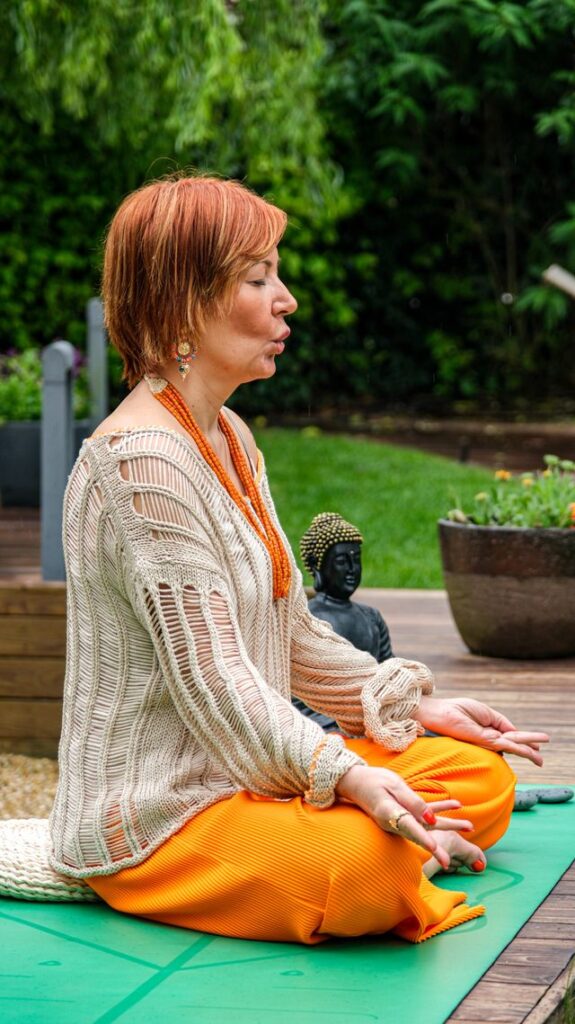
The Physiological Sigh: The Science-Backed Hack to Instantly Reduce Stress


We are in a world defined by a constant hum of simmering anxiety. Between overflowing inboxes, financial pressures, and the constant ping of notifications, our nervous systems are rarely given a moment of true rest. While we often hear advice like "just take a deep breath" when we are overwhelmed, standard breathing techniques don't always work when your heart is pounding and your chest feels tight. Enter the physiological sigh—a specific, science-backed breathing pattern that neurobiologists are calling the fastest, most effective way to voluntarily calm your nervous system in real-time.
If you struggle with anxiety, panic, or pre-performance jitters, mastering the physiological sigh could be the most important tool in your mental health toolkit. Here is everything you need to know about this remarkable stress-relief hack.
What is a Physiological Sigh?
The core mechanism of the physiological sigh involves a quick double-inhale paired with a deliberately long exhale. To break it down mechanically:
- The First Inhale: A deep, slow breath in through the nose that fills the lower lungs.
- The Second Inhale: A quick, sharp nasal inhale to max out your lung volume.
- The Exhale: A slow, soft exhale through the mouth that requires zero effort.
It feels slightly unnatural the first time you do it, but it is actually an innate reflex that your body already performs without you realizing it. If you have ever cried so hard that you found yourself doing a series of double-sniffles before a big sob, you were performing physiological sighs. Your body intuitively uses this mechanism to reset itself after a state of extreme emotional distress.
The Science Behind the Double Inhale: Why It Works So Fast
To understand why the physiological sigh is so effective, we have to look at the anatomy of the lungs and the physiology of the autonomic nervous system. This isn't just spiritual woo-woo; it is hard neuroscience.
Inside your lungs are millions of tiny sacs called alveoli, which are responsible for exchanging oxygen and carbon dioxide (CO2) with your bloodstream. When you are stressed, your breathing becomes shallow, and many of these alveoli collapse. A normal, deep breath fails to reinflate all of them, meaning you cannot efficiently offload the CO2 building up in your body.
Here is where the magic of the double inhale happens:
That second, short "top-up" sniff acts like a pneumatic pump. It pops open the collapsed alveoli that the first breath missed. Suddenly, you have vastly increased the surface area of your lungs. When you follow this with a long exhale, you are able to offload a massive amount of CO2 in a single breath.
Why does offloading CO2 matter?
Because high levels of CO2 in your blood signal danger to your brain, keeping your heart rate fast and your body in "fight or flight" mode. By rapidly dumping CO2, the physiological sigh instantly signals to your brain stem that you are safe. This activates the vagus nerve, immediately slowing your heart rate and shifting you into a "rest and digest" parasympathetic state.
In fact, a landmark 2023 study published in the journal Cell Reports Medicine by researchers at Stanford University School of Medicine tested various breathing techniques against mindfulness meditation. They found that cyclic physiological sighing was significantly more effective at improving mood and reducing anxiety than traditional meditation.
Who Popularized the Physiological Sigh?
While the physiological sigh has been observed in medical literature for decades, it was largely relegated to the confines of physiology labs. That changed when Dr. Andrew Huberman, a neurobiology professor at Stanford University and host of the Huberman Lab podcast, began advocating for its daily use.
Dr. Huberman and his colleague Dr. Jack Feldman (a world expert in the neurobiology of breathing) realized that while we naturally do this in our sleep or when crying, we can consciously hijack this reflex during our waking hours to combat acute stress. Thanks to the Huberman Lab podcast, the physiological sigh has gone mainstream, becoming a staple tool for athletes, executives, and everyday people looking for rapid stress relief.
How to Perform the Physiological Sigh (Step-by-Step)
You do not need any special equipment, apps, or a quiet room to do this. You can doit right where you are.
- Adopt a comfortable seated or standing position, consciously releasing any tension in your shoulders.
- Inhale through your nose: Take a deep breath in, expanding your belly and lower chest.
- Sniff again through your nose: Before exhaling, take one more quick, sharp sniff to top off your lungs. You should feel your upper chest expand.
- Exhale slowly through your mouth: Release the breath slowly and completely. Let it be a passive, relaxed exhale—don't force the air out.
- Repeat: For acute stress relief, do this one to three times. For a deeper calming session, you can perform 5 minutes of continuous physiological sighing.
Pro Tip: Always inhale through the nose. The nose produces nitric oxide, which dilates blood vessels and enhances the oxygenation of your tissues, making the technique even more effective.
When to Use This Breathing Technique
The physiological sigh is not just for meditation cushions; it is a practical tool for real-world scenarios:
- Before Public Speaking or Performances: Do 3 physiological sighs right before stepping on stage or logging onto a Zoom call to lower your heart rate and clear the brain fog of adrenaline.
- During a Panic Attack or Acute Anxiety: When you feel the tightness in your chest signaling a spike in anxiety, immediately deploy 1 to 3 sighs to interrupt the panic loop.
- Middle-of-the-Night Wakefulness: If you wake up at 3 AM with a racing mind, do not reach for your phone. Lie still and perform 5 to 10 physiological sighs. The CO2 offload will make you feel heavy and sleepy.
- Road Rage or Frustration: Stuck in traffic or dealing with a frustrating email? A quick double-inhale can prevent your nervous system from spiraling into anger.
Physiological Sigh vs. Box Breathing
You may be wondering how the physiological sigh compares to other popular methods like Box Breathing (inhale 4 seconds, hold 4 seconds, exhale 4 seconds, hold 4 seconds).
Think of Box Breathing as a maintenance tool. It is excellent for building long-term stress resilience and is heavily used by Navy SEALs to stay calm before a high-stress event occurs. However, Box Breathing requires focus and timing, which can be difficult when you are in the middle of a panic attack.
Think of the Physiological Sigh as a fire extinguisher. It is the best tool for acute, in-the-moment stress. It requires zero counting, zero timing, and works in as little as one cycle.
Final Thoughts
Stress is inevitable, but staying stuck in a stressed state is optional. The physiological sigh is a free, fast, and scientifically validated tool that gives you immediate control over your autonomic nervous system. By simply taking a double inhale and a long exhale, you can biologically hack your way out of "fight or flight" and back into a state of calm clarity.
Frequently Asked Questions (FAQs) About the Physiological Sigh
How many physiological sighs should I do?
For immediate stress relief, 1 to 3 physiological sighs is usually sufficient to noticeably lower your heart rate. If you are doing a dedicated breathing session for general relaxation, you can do 5 minutes of continuous physiological sighing.
Can I do the physiological sigh through my mouth?
While you can, it is highly recommended to inhale through your nose. Nasal breathing releases nitric oxide, which improves lung function and oxygen exchange, making the stress-relief effects much more potent.
Does it help with sleep?
Yes, it is incredibly effective for sleep. If your mind is racing at night, performing several physiological sighs expels CO2, which naturally triggers a physiological state conducive to sleep.
Is the physiological sigh safe for everyone?
Yes, for the vast majority of people, this breathing pattern is entirely safe. However, if you have severe respiratory conditions (like COPD or advanced asthma) or cardiovascular issues, it is always best to consult your doctor before adopting new breathing practices.
