



What Is the PND Medical Abbreviation? Meaning & Fields


If you are looking at your recent health charts and spot the letters PND, you might feel a bit confused. Medical shorthand can feel like a secret code, especially because the exact same acronym can mean completely different things depending on which type of healthcare provider wrote it down.
When you ask, what is PND medical abbreviation, the answer depends entirely on the part of your body being treated. In this guide, we will break down what these letters mean across cardiology, ENT, respiratory care, and other major medical specialties so you can easily understand your health records.
Respiratory and Cardiology: Paroxysmal Nocturnal Dyspnea
In the worlds of heart and lung care, pnd medical abbreviation cardiology and pnd medical abbreviation respiratory notes point to a specific breathing condition called Paroxysmal Nocturnal Dyspnea.
- Paroxysmal means a symptom that starts suddenly out of nowhere.
- Nocturnal means it happens late at night while you are asleep.
- Dyspnea is the medical term for severe shortness of breath.
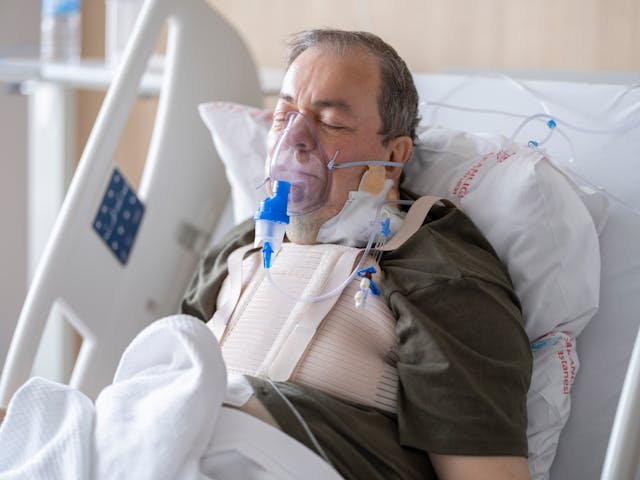
When a patient has this condition, they often wake up gasping for air a few hours after falling asleep. This happens because fluid builds up in the lungs when lying flat down. If you or a loved one ever experiences a sudden, terrifying inability to breathe at night, you must seek emergency medical care or visit an urgent care clinic right away to get your heart and lungs checked.
ENT: Post-Nasal Drip
If you go to a clinic for seasonal allergies or a sinus infection, a pnd medical abbreviation ent note stands for something much less dangerous: Post-Nasal Drip.
Your nose and sinus cavities produce mucus every day to catch germs and keep your airway moist. However, when you get a cold or an allergy flare-up, your body makes too much wet mucus. This excess fluid drips down the back of your throat. This dripping can cause a tickling feeling, make you cough at night, or give you a raspy sore throat.
Gynecology: Prenatal Diagnosis or Postnatal Depression
If you visit a women's health clinic, a pnd medical abbreviation gynecology note typically points to one of two major areas, depending on where you are in your pregnancy journey:
- Prenatal Diagnosis: This refers to special health screenings, like an ultrasound or genetic evaluation, done while a baby is still growing inside the womb to ensure they are healthy.
- Postnatal Depression: This refers to a severe type of sadness and exhaustion that some mothers experience after giving birth.
Taking care of your mind during and after pregnancy is just as vital as protecting your physical body. If a new mother feels overwhelmed, sad, or disconnected from her infant, utilizing support programs like Lyra Mental Health can connect her with a private counselor. Getting help early provides a safe space to heal and learn effective coping strategies.
Psychiatry: Psychogenic Non-Epileptic Seizures (or Postnatal Depression)
In mental health records, a pnd medical abbreviation in psychiatry entry most often stands for Postnatal Depression. However, it can occasionally be used to describe Psychogenic Non-Epileptic Seizures.
These are physical episodes that look exactly like an epileptic seizure, but they are not caused by abnormal electrical activity in the brain. Instead, they are triggered by severe emotional trauma, extreme stress, or deep psychological pain. A therapist can help patients process these deep feelings to reduce the frequency of physical attacks.
What About a PND Blood Test?
Sometimes people search online for a pnd medical abbreviation blood test. It is important to know that there is no standard, everyday lab test called a PND test.
If you see these letters near your lab records, the healthcare provider might be referring to a prenatal screening panel performed on blood plasma, or it could be a typo for a different test entirely. If you are worried about your heart or overall health, your healthcare provider will likely look at traditional markers like cholesterol and may check whether sudden lifestyle shifts or conditions like severe dehydration can cause high blood pressure.
Keeping Your Body Safe and Clear
No matter what condition you are managing, your daily lifestyle choices directly affect your recovery. For example, if your PND is due to post-nasal drip or a respiratory issue, avoiding respiratory irritants is essential.
Avoiding harmful habits like vaping protects the sensitive lining of your throat and lungs from chemical burns and extra swelling. To keep your airways clear and your body strong, focus on getting plenty of rest and drinking clean fluids. If you want a tasty way to stay hydrated, low-sugar drinks like Propel or Sparkling Ice are great for keeping your energy up without overloading your body with artificial ingredients.
Bottom Line
When trying to figure out what the PND medical abbreviation means, context is everything. If you are dealing with heart problems, it means a sudden nighttime shortness of breath. If you have allergies, it means annoying mucus in your throat. And if you are an expecting or new mother, it relates to prenatal screenings or postpartum emotional support. Always talk directly to your medical team to clarify exactly what your specific chart codes mean for your unique health journey.
Frequently Asked Questions
How do healthcare providers treat paroxysmal nocturnal dyspnea (heart-related PND)? Healthcare providers typically treat this condition with medications called diuretics, which help the body flush excess fluid through urine. They may also prescribe blood pressure medications to lower the workload on the heart muscle.
Can allergies cause nighttime breathing problems? Yes. If your PND stands for post-nasal drip, the pooling mucus in your throat while you lie down can trigger intense coughing fits or a choking sensation that wakes you up. Using an extra pillow to prop up your head can help the fluid drain safely.
Is post-nasal drip contagious? The dripping itself is not contagious. However, if your post-nasal drip is caused by a cold or the flu, you can spread the virus to others through coughing, sneezing, or touching shared surfaces.
What should I do if I think my chart has a mistake? If you see an abbreviation like PND that does not seem to match the reason for your visit, simply call your healthcare provider's office. The medical staff can review your records, explain the terminology, and correct any clerical errors.
Sources
Clinic C. Paroxysmal Nocturnal Dyspnea (PND): Causes & Treatment. Cleveland Clinic. Published January 20, 2025. https://my.clevelandclinic.org/health/symptoms/paroxysmal-nocturnal-dyspnea
Cleveland Clinic. Postnasal Drip: Symptoms & Causes. Cleveland Clinic. Published May 19, 2022. https://my.clevelandclinic.org/health/diseases/23082-postnasal-drip
Kiriakopoulos E. Psychogenic Nonepileptic Seizures | PNES. Epilepsy Foundation. Published 2019. https://www.epilepsy.com/diagnosis/imitators-epilepsy/psychogenic-nonepileptic-seizures