




Are Woolly Bear Caterpillars Poisonous? The Fuzzy Truth


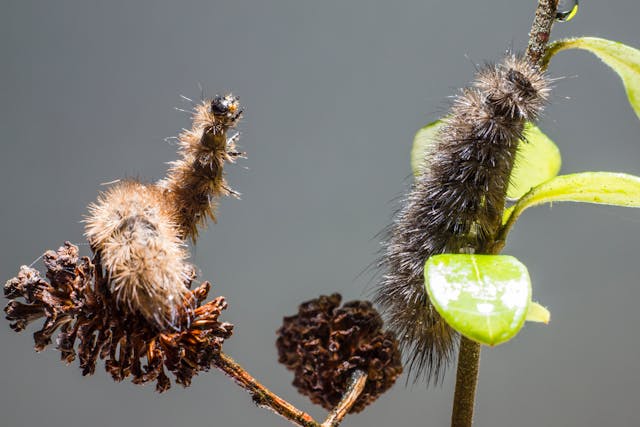
If you enjoy spending time outdoors in the autumn, you have likely spotted a small, fuzzy creature crawling across the sidewalk or resting under a fallen leaf. This is the woolly bear caterpillar. With its thick coat of black and rusty-brown hair, it looks like a tiny, moving piece of velvet. Because it looks so soft, children and adults alike are often tempted to pick it up.
However, whenever we see brightly colored or furry insects in nature, a very smart question to ask is: woolly bear caterpillar poisonous? Finding out whether a creature can harm you or your pets is an important part of staying safe while exploring the outdoors. In this guide, we will break down the science of this famous insect, explain how its fuzzy coat works, and share what to do if you handle one.
The Short Answer: Are They Dangerous?
Let us answer the main question right away: no, woolly bear caterpillars are not poisonous. They do not have venom glands, they do not bite, and they cannot sting you like a wasp or a bee.
Unlike some other furry caterpillars that hide sharp, venomous needles beneath their hairs, the woolly bear is completely safe to look at. If you pick one up gently, it will usually curl into a tight little ball and play dead until it feels safe again. So, if you are wondering if the woolly bear caterpillar is poisonous, you can rest easy knowing it carries no hidden toxins.
Understanding Their Fuzzy “Hair”
If they are not poisonous, what is the purpose of all that thick fuzz? The long hairs covering the caterpillar’s body are called setae. They are not actually true hairs like mammalian fur; they are made of a tough material called chitin.
The primary job of these setae is to act as a protective blanket. Woolly bears have an amazing ability to survive freezing winter temperatures; they can literally freeze solid and thaw out perfectly fine in the spring. Their thick coat helps manage this freezing process. However, health experts warn that while the hairs are not toxic, their stiff texture can sometimes cause mild skin irritation or an itchy rash when rubbed against sensitive skin.
How to Handle Them Safely
Because their bristles can be slightly scratchy, it is always a good idea to practice safe handling if you want to get a closer look at one. Instead of picking the caterpillar up directly with your bare fingers, let it crawl onto a sturdy leaf or a small twig.
If a child with sensitive skin handles one and develops a small, itchy red spot, there is no need to panic. Wash the area thoroughly with soap and water. Applying a cool, damp cloth can quickly soothe the itching. If a tiny bristle gets stuck in the skin, pressing a piece of clean household tape over the area and gently pulling it away can easily remove it.
Managing Outdoor Health Anxieties
It is completely natural to feel a bit anxious when encountering unfamiliar bugs or plants outdoors. Our minds sometimes jump to the worst conclusions, especially when we hear dramatic rumors about nature. Letting your worries get out of hand can sometimes make you feel physically unwell.
When stress levels shoot up, your body reacts instantly. In fact, severe anxiety can even cause high blood pressure or a racing heart because your nervous system goes into panic mode. Learning the true, calm facts about creatures like the woolly bear caterpillar helps prevent unnecessary fear so you can enjoy your outdoor adventures with total peace of mind.
Staying Healthy on the Trail
Exploring nature is a fantastic way to keep your heart and lungs strong, but you must always prepare your body for the physical effort. Spending hours walking in the sun means you lose fluids quickly through sweat.
Bringing a reliable water bottle is essential to avoid running out of water. If you find plain water unappealing on a long hike, choosing low-sugar options like Propel or Sparkling Ice can be a great way to stay hydrated and keep your energy levels steady. Keeping your body hydrated ensures your muscles work properly and helps prevent post-hike headaches or dizziness.
Protecting Your Respiratory System
While checking the ground for interesting insects, it is also important to consider what you breathe in. Fresh forest air is wonderful for your respiratory health, but introducing harsh artificial chemicals into your body can undo those benefits.
Avoiding harmful habits like vaping is one of the best things you can do for your endurance and lung capacity. The heated vapors can cause significant damage to your airways, making it much harder to hike steep trails or breathe deeply when active outdoors.
Bottom Line
So, is the woolly bear caterpillar poisonous? The simple truth is that this beloved autumn insect is entirely non-toxic and safe. Its bristly coat might cause a minor tickle or slight scratchiness on sensitive skin, but it cannot inject venom or cause serious illness. By teaching children to admire them gently on a leaf and to stay hydrated on the trail, you can safely enjoy watching these fuzzy weather prophets prepare for the winter months ahead.
Frequently Asked Questions
Can the bands on the caterpillar predict the winter weather?
According to folklore, a wide brown band means a mild winter, while more black means a severe winter. In reality, the colored bands show how old the caterpillar is and how long it has been feeding. They cannot predict the weather.
What does a woolly bear caterpillar turn into?
In the spring, after spinning a cocoon using its own fuzzy hairs, the woolly bear transforms into the Isabella Tiger Moth. This moth is a beautiful, quiet creature with dull yellow or orange wings marked with small black spots.
Are woolly bears dangerous to dogs or cats?
No, they are not toxic to pets. However, if a curious dog tries to eat or chew on one, the stiff, scratchy hairs can irritate the inside of the dog’s mouth or throat, causing them to drool or gag temporarily.
What do woolly bear caterpillars eat?
They are not picky eaters. They love to munch on common plants that grow close to the ground, such as dandelion leaves, wild clover, plantain, and various native grasses.