




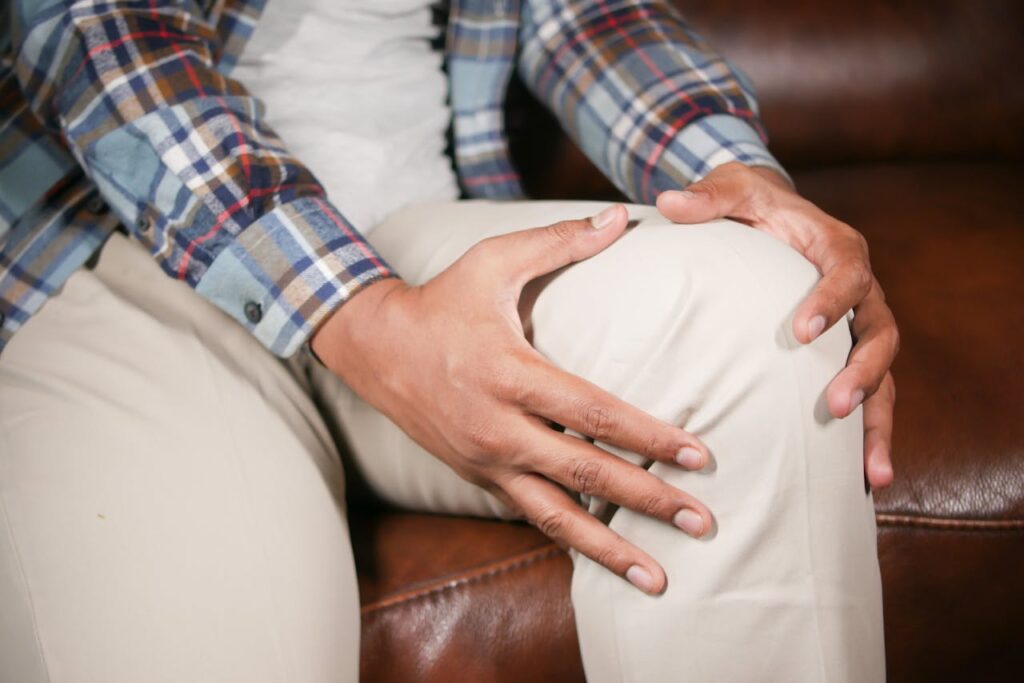
Chronic Knee Pain: Causes, Symptoms, and Effective Treatment Options


Chronic knee pain is a common condition that affects people of all ages, from athletes to older adults. Unlike short-term injuries, this type of discomfort lasts for weeks or even months and can interfere with daily activities. Understanding this condition is essential for finding the right treatment and improving mobility.
What Is Chronic Knee Pain?
Chronic knee pain refers to ongoing discomfort in or around the knee joint that persists for more than three months. It can result from injury, overuse, or underlying medical conditions. This type of pain may be constant or come and go depending on activity levels.
Common Causes of Long-Term Knee Pain
There are several reasons why chronic knee pain develops.
Osteoarthritis
One of the leading causes is osteoarthritis, where cartilage wears down over time.
Injury or Trauma
Past injuries such as ligament tears or fractures can lead to long-term knee issues.
Tendinitis
Inflammation of tendons around the joint can cause ongoing discomfort.
Bursitis
Swelling of fluid-filled sacs in the knee may contribute to pain and stiffness.
Overuse
Repetitive activities like running or kneeling can put stress on the joint.
Symptoms to Watch For
Recognizing symptoms early can help manage chronic knee pain effectively.
Common Signs
- Persistent aching or stiffness
- Swelling around the joint
- Limited movement
- Difficulty walking or standing
- Pain during activity
Risk Factors
Certain factors increase the likelihood of developing chronic knee pain.
- Aging
- Excess body weight
- Previous injuries
- High-impact sports
- Weak leg muscles
Impact on Daily Life
Living with ongoing knee discomfort can make simple tasks difficult. Activities like climbing stairs, walking, or standing for long periods may become uncomfortable. This can affect work, exercise, and overall quality of life.
Diagnosis and Medical Evaluation
Doctors use different methods to diagnose chronic knee pain.
Physical Examination
A doctor checks movement, swelling, and tenderness.
Imaging Tests
X-rays or MRI scans help identify structural problems.
Medical History
Past injuries and lifestyle factors are reviewed.
Treatment Options
1. Rest and Activity Changes
Reducing strain on the knee can help manage symptoms.
2. Physical Therapy
Exercises strengthen muscles and improve joint stability.
3. Medications
Pain relievers and anti-inflammatory drugs may reduce discomfort.
4. Weight Management
Maintaining a healthy weight reduces pressure on the knee.
5. Injections
Certain injections may provide temporary relief.
6. Surgery
In severe cases, surgical treatment may be required.
Natural Ways to Manage Knee Pain
Exercise and Stretching
Low-impact activities like swimming or cycling improve flexibility.
Hot and Cold Therapy
Applying heat or ice can reduce swelling and discomfort.
Proper Footwear
Supportive shoes help reduce pressure on joints.
These methods can support recovery from chronic knee pain.
Prevention Tips
You can reduce the risk of chronic knee pain by maintaining healthy habits.
- Stay active with low-impact exercise
- Maintain a healthy weight
- Use proper techniques during activities
- Strengthen leg muscles
When to See a Doctor
Consult a healthcare provider if:
- Pain lasts more than a few weeks
- Swelling is severe
- You cannot bear weight
- Symptoms worsen over time
Early treatment can prevent complications.
Conclusion
Chronic knee pain can affect daily life, but with proper care and treatment, it is manageable. By understanding the causes and taking preventive steps, you can reduce discomfort and improve mobility. If symptoms persist, seeking medical advice is the best approach.
Frequently Asked Questions (FAQs)
1. What causes chronic knee pain?
It can be caused by arthritis, injury, or overuse.
2. How long does it last?
It typically lasts more than three months.
3. Can exercise help?
Yes, low-impact exercise can improve strength and flexibility.
4. Is surgery necessary?
Only in severe cases when other treatments fail.
5. Can weight affect knee pain?
Yes, excess weight increases pressure on joints.
6. Are home remedies effective?
They can help manage symptoms.
7. When should I see a doctor?
If pain persists or worsens.
8. Can it be prevented?
Healthy habits can reduce the risk.
