




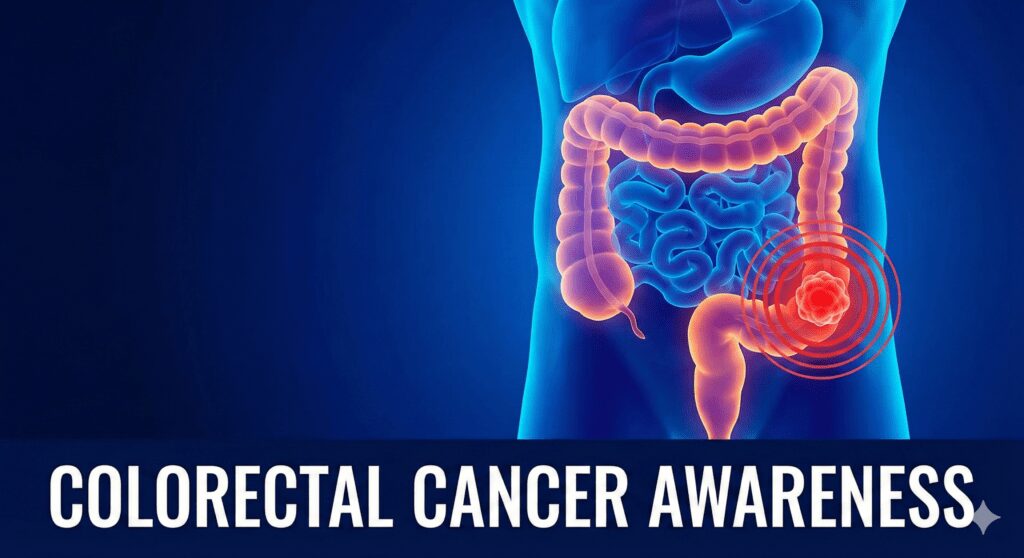
4 Early Signs of Colon Cancer Young Adults Should Never Ignore


For decades, colon cancer was considered a disease that primarily affected older adults. Medical guidelines typically recommended screening starting at age 50, and for a long time, younger generations felt relatively safe from the diagnosis. However, the medical landscape is shifting.
In recent years, there has been an alarming increase in the number of young adults diagnosed with colon cancer. According to recent data from the American Cancer Society, rates of colorectal cancer among people under 50 have been steadily rising. This trend has led to a change in screening guidelines. It’s now recommending that average-risk adults begin screening at age 45 but for those in their 20s and 30s, screening is usually only performed if symptoms are present.
The danger for young adults lies in the misinterpretation of symptoms. Because colorectal cancer is unexpected in this demographic, symptoms are often dismissed as hemorrhoids, irritable bowel syndrome (IBS), or food intolerances. This delay in diagnosis often leads to later-stage detection when the disease is more aggressive and harder to treat.
Awareness is the best defense. Here are four early signs of colon cancer that every young adult should know and take seriously.
1. Rectal Bleeding or Blood in the Stool
The most common and perhaps most alarming sign of colorectal issues is visible blood. However, it is also the symptom most frequently ignored by young people.
Blood can appear in different ways. You might notice bright red blood on the toilet paper after wiping, or you might see blood mixed in with the stool or coating its surface. In some cases, if the bleeding occurs higher up in the digestive tract, the blood may appear dark and tarry, indicating that it has been digested.
The Mistake Young Adults Make:
The immediate assumption for a young adult experiencing rectal bleeding is hemorrhoids. Hemorrhoids are swollen veins in the lower rectum or anus, and they are indeed common in young adults due to straining during bowel movements, sitting for long periods, or dietary factors. While hemorrhoids are uncomfortable, they are generally harmless. Cancer, however, can mimic these exact symptoms.
When to Worry:
While not all bleeding indicates cancer, it always warrants a medical evaluation. You should see a doctor immediately if the bleeding is persistent, if the blood is dark or maroon, or if it is accompanied by other symptoms like pain or a change in bowel habits. Do not self-diagnose; let a medical professional determine if it is a minor issue or something more serious.
2. A Persistent Change in Bowel Habits
Everyone’s digestive system functions differently. For some, going to the bathroom three times a day is normal; for others, three times a week is standard. The key word here is change.
A persistent change in bowel habits is a major red flag for colon cancer. This could manifest as diarrhea, constipation, or a narrowing of the stool (caliber change) that lasts for more than a few days. You might feel like you cannot completely empty your bowel, a sensation known as tenesmus.
The Mistake Young Adults Make:
Young adults often attribute changes in bowel habits to stress, dietary changes, or a "stomach bug." If a young person eats a lot of spicy food or dairy, they may expect digestive upset. They might also blame IBS, a chronic condition that causes cramping, abdominal pain, bloating, gas, and diarrhea or constipation.
When to Worry:
If your bathroom habits suddenly change and stay that way for more than a few weeks, it is not normal. Pay attention to the consistency of your stool. If your stool becomes pencil-thin, it could indicate that a tumor is blocking the passage of stool in the rectum. If you have alternating bouts of constipation and diarrhea that do not resolve with over-the-counter remedies, it is time to schedule a colonoscopy.
3. Abdominal Pain and Cramping
Abdominal discomfort is a vague symptom that can be caused by a multitude of issues, ranging from gas and indigestion to menstrual cramps or appendicitis. However, persistent abdominal pain, specifically cramping, gas, or pain in the lower abdomen, can be a sign that a tumor is causing a blockage or perforation in the bowel.
As a tumor grows, it can obstruct the passage of waste, causing severe cramping and bloating. In some cases, the tumor may create a hole in the bowel wall (perforation), leading to intense pain and infection.
The Mistake Young Adults Make:
Because abdominal pain is so common, young adults often power through it. They might take antacids for gas or pain relievers for cramps, assuming it is something they ate or simply part of a stressful lifestyle. Many young women, in particular, may mistake abdominal pain for gynecological issues like ovarian cysts or endometriosis.
When to Worry:
If the pain is constant, severe, or wakes you up at night, it requires medical attention. If the pain is accompanied by nausea, vomiting, or severe bloating, it suggests a bowel obstruction, which is a medical emergency. Trust your gut, if the pain feels different than usual stomach aches or cramps, get it checked out.
4. Unexplained Weight Loss and Fatigue
Weight loss is often celebrated in our society, but losing weight without trying is never a good sign. Unintentional weight loss is a common symptom of many cancers, including colon cancer.
Cancer cells consume a significant amount of the body's energy. Additionally, a tumor in the colon can interfere with the body's ability to absorb nutrients from food, leading to weight loss. This metabolic steal can also lead to extreme fatigue or weakness that does not improve with rest.
Furthermore, chronic bleeding from a tumor can lead to iron deficiency anemia. Red blood cells carry oxygen throughout the body; when you have low iron levels (anemia), your tissues and organs don't get enough oxygen, leaving you feeling exhausted, weak, and short of breath.
The Mistake Young Adults Make:
Young adults often lead busy lives, balancing work, education, and social lives. Fatigue is frequently dismissed as "burnout" or lack of sleep. Unexplained weight loss might be brushed off as the result of a new gym routine or a busy schedule. However, fatigue caused by anemia is profound,it is not just being tired; it is a bone-deep exhaustion.
When to Worry:
If you lose more than 10 pounds without changing your diet or exercise routine, see a doctor. Similarly, if you find yourself needing naps during the day, feeling weak when climbing stairs, or experiencing dizziness, ask for a blood test to check your iron levels. If you are anemic and you are not a menstruating woman or your anemia is disproportionate to blood loss, a gastrointestinal workup is crucial to rule out colorectal cancer.
Conclusion
The rise of colon cancer in young adults is a sobering reality, but early detection significantly improves survival rates. If you experience any of these four signs, bleeding, changes in bowel habits, persistent abdominal pain, or unexplained weight loss and fatigue, do not hesitate. Consult a healthcare provider. If your doctor suggests it is just hemorrhoids or stress without running tests, and you feel that something is wrong, seek a second opinion. It is your body, and your persistence could save your life.
Frequently Asked Questions (FAQs)
Can colon cancer be prevented in young adults?
While you cannot change your genetics, lifestyle factors play a significant role in colorectal cancer risk. Young adults can lower their risk by maintaining a healthy weight, exercising regularly, reducing the consumption of red and processed meats, limiting alcohol, and avoiding smoking. A diet rich in fruits, vegetables, and whole grains is also linked to a lower risk.
Is there a specific type of colon cancer that affects young people more often?
Yes, while most colorectal cancers are adenocarcinomas, there is a specific subtype called signet ring cell carcinoma that is more aggressive and is diagnosed more frequently in younger patients compared to older adults. This type tends to grow and spread faster, making early symptom awareness even more critical.
What diagnostic tests are used if I have these symptoms?
If you present with symptoms, doctors will typically start with a blood test to check for anemia. However, colonoscopy is the standard test. This procedure allows a doctor to view the entire colon and rectum and remove any polyps or biopsy suspicious areas. In some cases, a CT colonography (a virtual colonoscopy) or flexible sigmoidoscopy may be used.
Does family history matter if I am under 30?
Family history is a major risk factor. If you have a first-degree relative (parent, sibling, or child) who had colon cancer or advanced polyps before age 50, or if you have a family history of Lynch syndrome or Familial Adenomatous Polyposis (FAP), you should begin screening much earlier than the general population, often in your early 20s or 10 years younger than the youngest diagnosis in your family.
