




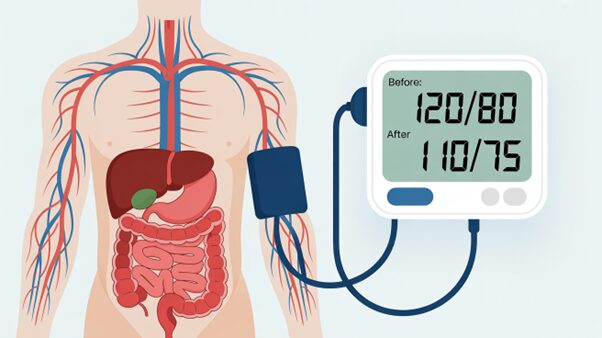
Proven Strategies to Lower Blood Pressure Naturally


Hypertension or high blood pressure is labeled the "silent killer," and for good reason. Millions of people worldwide walk around with elevated blood pressure without experiencing a single symptom, all while the condition silently damages their arteries, heart, and brain.
While medications are often necessary and life-saving, they are rarely the whole picture. For most people, consistently hypertension is a loud warning sign that lifestyle factors are out of balance.
Whether you are looking to avoid going on medication or want to safely reduce your current dosage alongside your doctor, implementing targeted lifestyle strategies can yield dramatic results. Here are the most effective, science-backed ways to lower your blood pressure naturally.
Overhaul Your Plate with the DASH Diet
You cannot outrun a bad diet, and when it comes to hypertension, what you put on your fork matters immensely. The gold standard for hypertension is the DASH (Dietary Approaches to Stop Hypertension) diet.
This isn’t a fad diet; it’s a sustainable way of eating that focuses on:
- Reducing Sodium: Excess sodium causes your body to hold onto water, putting extra volume and pressure on your blood vessel walls. Aim for under 2,300 mg a day (ideally closer to 1,500 mg for those with high BP).
- Increasing Potassium: Potassium is sodium’s natural kryptonite. It helps your kidneys flush excess sodium out of your body and relaxes blood vessel walls. Load up on sweet potatoes, bananas, avocados, spinach, and beans.
- Eating Whole Foods: The DASH diet prioritizes vegetables, fruits, whole grains, and lean proteins while severely limiting processed foods, red meat, and added sugars.
Make Exercise a Non-Negotiable
Your heart is a muscle. When you exercise, you strengthen that muscle. When the heart is strong, it’s able to pump more blood effortlessly. As a result, the force exerted on your arteries decreases, lowering your overall blood pressure.
The American Heart Association recommends at least 150 minutes of moderate-intensity aerobic exercise per week. This translates to roughly 30 minutes a day, five days a week. You don't need to run a marathon; brisk walking, swimming, cycling, or even vigorous gardening counts. Add in some dynamic resistance training two days a week, and you will give your cardiovascular system an even bigger boost.
Shed Excess Weight
Hypertension often increases as weight increases. Being overweight puts added strain on your heart and disrupts your body's natural blood pressure regulation systems.
The good news? You don't have to reach your "ideal" weight to see massive benefits. Losing just 5 to 10 pounds can result in a significant drop in blood pressure. Furthermore, paying attention to your waistline is crucial. Carrying weight around your midsection (visceral fat) is particularly dangerous for heart health. Men should aim for a waist circumference under 40 inches, and women under 35 inches.
Tame Chronic Stress
In our fast-paced world, stress is inevitable, but chronic stress is a major driver of high blood pressure. When you are stressed, your body enters a "fight or flight" state, flooding your system with cortisol and adrenaline, which temporarily spikes your blood pressure. If that state becomes constant, your blood pressure stays elevated.
Incorporate active stress-reduction techniques into your daily routine:
- Deep Breathing: Practices like box breathing (inhale for 4 seconds, hold for 4, exhale for 4, hold for 4) activate your parasympathetic nervous system, immediately dilating blood vessels.
- Mindfulness and Meditation: Even 10 minutes a day of guided meditation can lower cortisol levels.
- Digital Detox: Limit exposure to news and social media, which are designed to trigger emotional spikes.
Prioritize High-Quality Sleep
Sleep is when your body repairs itself, including your cardiovascular system. Chronic sleep deprivation disrupts your body's natural circadian rhythm and prevents your blood pressure from dipping at night—a phenomenon known as "non-dipping," which is a major risk factor for heart disease.
Try sleeping for 7 to 9 hours per night. Improve your sleep hygiene by keeping your bedroom cool and dark, avoiding caffeine after 2 PM, and putting away screens at least an hour before bed. If you snore loudly or wake up gasping, get tested for sleep apnea, a condition that heavily contributes to hypertension.
Cut Back on Alcohol and Quit Smoking
Both alcohol and tobacco smoke have direct, toxic effects on your blood vessels. While a glass of red wine is often touted as heart-healthy, the reality is that any amount of alcohol can raise your blood pressure. Limiting yourself to one drink a day for women or two for men is essential, but cutting it out entirely is even better for your BP.
Every single cigarette you smoke causes an immediate, temporary spike in your blood pressure and damages the lining of your artery walls. Quitting smoking is the single most impactful thing you can do for your overall cardiovascular health.
Harness the Power of Specific Foods and Supplements
While a whole-foods diet is the foundation, certain natural compounds have proven blood-pressure-lowering effects:
- Beetroot: Rich in dietary nitrates, beetroot juice helps your body produce nitric oxide, a molecule that widens blood vessels and improves blood flow.
- Garlic: Garlic contains allicin, which has been shown in studies to increase the production of nitric oxide and induce smooth muscle relaxation.
- Omega-3 Fatty Acids: Found in fatty fish (like salmon and sardines) or high-quality supplements, Omega-3s reduce inflammation and lower blood pressure.
Always consult your doctor before adding new supplements, especially if you are already on hypertension medications, as natural remedies can cause your BP to drop too low.
Conclusion
Lowering your blood pressure is not about a quick fix; it is about building a sustainable, healthy lifestyle. By reducing sodium, increasing potassium through a DASH-style diet, moving your body daily, and managing your stress and sleep, you take back control of your cardiovascular health.
Be patient with yourself. It takes time for your body to adjust, but if you stay consistent, those numbers on the blood pressure cuff will eventually start to drop—and your heart will thank you for it.
Frequently Asked Questions (FAQs)
What is considered a normal blood pressure reading?
According to the American Heart Association, a normal blood pressure reading is a systolic number (top number) of less than 120 and a diastolic number (bottom number) of less than 80 (e.g., 118/76). Readings consistently above 130/80 are classified as Stage 1 Hypertension.
Can I lower my blood pressure without medication?
Many people can successfully lower their blood pressure into a healthy range through aggressive lifestyle changes, specifically diet, weight loss, and exercise. However, this depends on the severity of your hypertension, your genetics, and how long you've had it. *Never stop taking prescribed blood pressure medication without your doctor's explicit approval.
How fast do lifestyle changes lower blood pressure?
Some changes, like deep breathing or drinking a glass of beetroot juice, can lower blood pressure within hours. However, sustainable changes like weight loss, dietary overhauls, and exercise usually take 2 to 4 weeks of consistent effort to show permanent, measurable reductions on your blood pressure monitor.
Can drinking a lot water help to lower blood pressure?
Staying adequately hydrated helps your kidneys flush excess sodium from your body, which can aid in lowering blood pressure. However, chugging excessive amounts of water won't instantly cure hypertension, and overhydrating can actually be dangerous. Aim for a steady intake of about 8 glasses of water a day, adjusting for heat and activity levels.
