





The Truth: What Really Happens to Blood Pressure After Eating
Did you ever feel dizzy, light-headed or even sleepy immediately after eating? You’re not alone. Many individuals feel changes abruptly after consuming any food, without even noticing that it is associated with the post-meal blood pressure. Such changes may cause exhaustion, nervousness or even fainting in extreme situations. However, the good news is, with the knowledge of this natural body response, you can avoid discomfort and help your heart in a healthy manner.
The blood pressure after eating changes because your body diverts blood to digest the food. You will find out why it occurs, who is affected most and how to achieve healthy levels by mindful eating in this article. You’ll also discover the best foods to stabilize your body’s response. Ready to uncover the truth? Let’s get started.
Understanding Blood Pressure and Digestion
What Happens Inside Your Body After You Eat
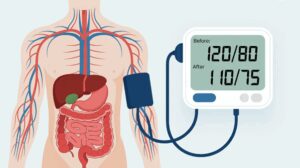
Your digestive system works when you eat. To absorb the nutrients, the blood is diverted to your belly and intestines. Consequently, this change is compensated by your circulatory system. In some cases, there is a slight decrease in blood pressure after eating, it is normal and is part of the digestion process. Nevertheless, in a few people, this transformation can be significant, which causes dizziness or fatigue.
The size of meals, the level of hydration, and the metabolic rate determine this effect. A heavy meal may cause your blood vessels to stretch, which lowers the pressure a temporarily.
The Role of the Autonomic Nervous System
Involuntary movements such as heart rate and blood vessel constriction are regulated by your autonomic nervous system. It assists in the consistent pressure even following the intake of food. Failure of this system to work correctly can make your blood pressure either low or high after eating. This can be controlled by hydrating well, eating in moderation, and having light exercise after meals.
Why Blood Pressure Drops After Eating (Postprandial Hypotension)
Common Causes
A sudden drop in blood pressure after eating, known as postprandial hypotension, happens when blood flow to the digestive tract increases but the heart doesn’t compensate enough.
Common triggers include:
- Large meals high in carbs
- Dehydration
- Aging or nerve disorders
- Certain medications for hypertension or diabetes
Symptoms to Watch For
When your pressure drops, you might experience:
- Dizziness
- Fainting
- Blurred vision
- Nausea
- Fatigue
Studies suggest that up to one-third of older adults experience these symptoms regularly.
Who Is Most at Risk
Older adults, people with diabetes, and those with autonomic dysfunction are more likely to face changes in the blood pressure after eating. Monitoring your readings before and after meals can help identify patterns early.
Can Blood Pressure Also Rise After Eating?
High-Sodium and High-Fat Meals
Yes, to some individuals, the blood pressure rises after meals. Foods that are high in sodium, trans fats, and refined sugar lead to temporary spikes. Fast food, processed snacks, and salty soups cause your heart to strain resulting in post-meal high blood pressure.
The “Food Pressure” Effect
On eating high fat or heavy meals, the body releases hormones that accelerate the heart rate and vascular resistance. This leads to a temporary increase in the pressure. This can expose you to a risk of chronic hypertension in the long run. Replacing the current unbalanced meal with a balanced diet of foods with lots of fiber, low protein, and whole grains can stabilize the readings.
How to Maintain Stable Blood Pressure After Eating
Smart Eating Habits
Maintaining balanced blood pressure levels starts with daily habits:
- Eat smaller, frequent meals
- Stay hydrated throughout the day
- Limit alcohol and caffeine intake
- Avoid lying down immediately after eating
- Stand or walk slowly after meals
Monitor and Track
Keeping a home blood pressure monitor helps you track variations accurately. Write down your readings before and after meals. Over time, you’ll notice trends and triggers that affect your post-meal readings.
When to See a Doctor
Seek medical advice if you experience:
- Frequent fainting or dizziness
- Sharp rises or drops after meals
- Ongoing cardiovascular symptoms
Your doctor may check for autonomic disorders, digestive issues, or side effects of prescribed medications.
Foods That Help Regulate Blood Pressure Naturally
Best Foods for Stable Blood Pressure
Eating the right foods can help your body maintain balance. Include:
- Oats and whole grains
- Leafy greens like spinach and kale
- Bananas, avocados, and sweet potatoes (rich in potassium)
- Fish with omega-3 fatty acids
- Low-fat dairy products
These foods are rich in magnesium, fiber, and antioxidants, which help your body manage pressure changes naturally.
Foods to Avoid
Avoid:
- Processed foods
- Fried snacks
- Sugary beverages
- Too much salt or caffeine
Skipping these helps you prevent drastic changes in the blood pressure after eating.
Myths and Facts About Blood Pressure After Eating
- Myth 1: Blood pressure always rises after meals.
Fact: It can also drop, especially in older adults. - Myth 2: Only unhealthy food affects it.
Fact: Even healthy meals can trigger mild fluctuations depending on timing and portion size. - Myth 3: It’s nothing to worry about.
Fact: Persistent changes may indicate underlying heart or metabolic issues.
Conclusion
In reality, the blood pressure after eating is a normal physiological response. However, extreme fluctuations shouldn’t be ignored. Eating balanced meals, staying hydrated, and monitoring your readings can help you maintain steady heart health and prevent long-term issues.
If you frequently feel dizzy or fatigued after eating, talk to your doctor for proper evaluation.
Take charge of your health today — start tracking your blood pressure after meals and make mindful food choices for a healthier tomorrow.
FAQs
- Is it normal for blood pressure to drop after eating?
Yes, mild drops are normal as the body redirects blood to aid digestion. - Why do I feel dizzy after meals?
It could be postprandial hypotension, a temporary decrease in pressure after eating. - Can eating salty food raise blood pressure?
Yes, foods high in sodium can cause a temporary spike in blood pressure levels. - How can I prevent blood pressure changes after eating?
Eat smaller meals, stay hydrated, and avoid alcohol or caffeine. - When should I see a doctor about blood pressure fluctuations?
If you experience frequent dizziness, fainting, or severe pressure swings, seek medical help.